Hey there, food lovers! Ever picked up a jar of apple butter and thought, “Wait, does this stuff taste like actual butter?” If so, you’re not alone. I’ve been there, staring at the label, wondering if I’m about to spread some creamy dairy goodness on my toast. Spoiler alert: apple butter ain’t butter at all. It’s a whole different beast—a sweet, spiced, apple-packed spread that’s more like a jam or preserve than anything churned from cream. But don’t click away just yet! We’re diving deep into what apple butter really tastes like, why it’s got that funky name, and how you can use it to level up your kitchen game.
At our lil’ corner of the food world, we’re all about demystifying grub like this So, let’s get into it—what is apple butter, how’s it taste, and why’s it so darn special? Stick with me, and I promise you’ll be itching to grab a jar by the end
What Even Is Apple Butter? A Quick Lowdown
Before we get to the flavor, let’s clear up the basics. Apple butter is a fruit spread made from apples that’ve been cooked down real slow with sugar and spices until they turn into a thick, smooth paste. Think of it as applesauce’s cooler, more intense cousin. It don’t got no dairy in it—nada, zip, zero. The “butter” part of the name comes from its velvety, spreadable texture, not from any actual buttery ingredients.
I remember the first time I heard about it, I was like, “Huh, so it’s not butter? Then why call it that?” Turns out, back in the day, folks named it for how it spreads like softened butter on bread. It’s been around forever, especially in places like Pennsylvania or Appalachia, where it was a way to preserve apples long before fridges were a thing. They’d simmer it for hours, sometimes all day, in big kettles over a fire. Talk about a labor of love!
Here’s the quick facts in a neat lil’ table:
| Feature | Apple Butter |
|---|---|
| Main Ingredient | Apples (whole pulp) |
| Dairy Content | None, totally vegan |
| Texture | Thick, smooth, buttery |
| Cooking Time | Hours of slow simmering |
| Sweetness | Natural apple sugars, sometimes more |
So, no butter here, just pure apple magic. Now, let’s talk about the taste—does it match the name or nah?
Does Apple Butter Taste Like Butter? Nope, Here’s Why
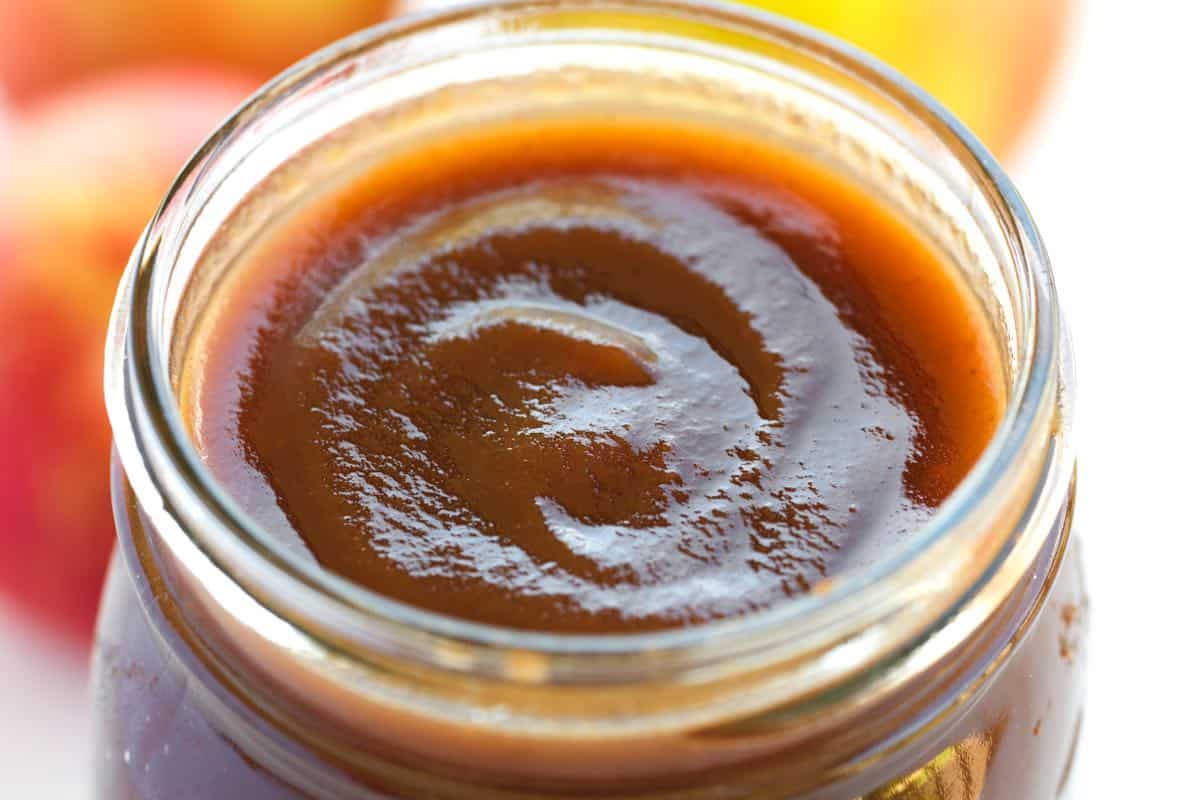
Alright, let’s cut to the chase. Apple butter does not taste like butter. If you’re expecting that rich, creamy, fatty flavor of dairy butter, you’re gonna be surprised. Instead, imagine biting into a baked apple, but like, turned up to eleven. It’s got this deep, concentrated apple vibe, mixed with caramel sweetness and a warm hug of spices. We’re talking cinnamon, nutmeg, sometimes cloves or even a sneaky pinch of ginger. It’s like fall in a jar, y’all.
The first time I tried it, I smeared some on a biscuit and was straight-up shocked. It wasn’t buttery at all, but it had this lush sweet-tart kick that made me go “Whoa, I need more of this in my life!” It’s got layers—first, you get the sweet apple and toffee notes from the long cooking, then the spices hit with a cozy warmth, and finally, a tiny tang that keeps it from being too heavy. Ain’t nothing like the salty, creamy taste of regular butter.
Here’s how it breaks down taste-wise:
- Sweetness: Comes from the apples themselves, concentrated by hours of cooking. It’s a natural, almost molasses-like sweetness, not just plain sugar.
- Spiciness: Warm spices like cinnamon are the star, with nutmeg or cloves adding depth. It’s like apple pie filling, but smoother.
- Tartness: A slight acidic bite, sometimes from the apples or a splash of cider vinegar, keeps it balanced so it ain’t cloying.
- Caramel Vibes: The slow simmer caramelizes the sugars, giving it a rich, toffee-ish undertone. Pure heaven.
So, if it ain’t buttery, why’s it so dang good? It’s all about that texture and complexity Let’s dig into that next
Texture Talk: Why “Butter” Fits the Name
Even if the taste ain’t buttery, the texture sure gets why they named it apple butter. Picture this: a super smooth, thick, velvety spread that glides onto your toast or biscuit without a hitch. It’s got a luxurious feel, kinda like softened dairy butter, but a bit denser. When you scoop it with a knife, it holds its shape a little before spreading out nice and easy.
It ain’t watery like some applesauces can be, and it’s definitely not chunky or gritty. The long cooking breaks down all the apple bits into this silky puree that just feels rich in your mouth. I’ve slathered it on everything from bread to pancakes, and it’s always got that satisfying, creamy spreadability. Here’s a quick comparison to other spreads to show what I mean:
| Spread | Texture | How It Spreads |
|---|---|---|
| Apple Butter | Thick, smooth, velvety | Glides easy, holds shape a bit |
| Dairy Butter | Creamy, soft when warm | Melts quick, super smooth |
| Jam/Preserves | Sticky, often with fruit bits | Spreads okay, can be lumpy |
| Applesauce | Thinner, sometimes watery | More like a sauce, less spread |
See, it’s closer to butter in how it handles, not how it tastes. That’s the big mix-up folks have, and I get it—I thought it’d be more like dairy too ‘til I tried it.
How’s It Different from Other Apple Stuff?
Now, you might be wondering, “Okay, if it’s apples, ain’t it just applesauce or jelly?” Nah, fam, it’s a whole different game. I’ve made applesauce with my granny before, and while it’s yummy, it’s nowhere near as intense as apple butter. Let’s break down the diffs so you ain’t confused no more.
-
Apple Butter vs. Applesauce:
- Flavor: Applesauce is light and fresh, like gently cooked apples. Apple butter’s deep, caramelized, and spiced to the max.
- Texture: Applesauce can be chunky or smooth but it’s thinner, more watery. Apple butter’s thick and buttery (there’s that word again).
- Cooking: Applesauce takes maybe an hour tops. Apple butter? Hours and hours of slow simmering to get that concentration.
- Color: Applesauce is pale, sometimes pinkish. Apple butter’s a dark, rich brown or mahogany from all that caramelizing.
-
Apple Butter vs. Apple Jelly:
- Base: Jelly’s made from apple juice, strained clear. Apple butter uses the whole apple pulp, so it’s opaque.
- Texture: Jelly’s firm, wobbly, and gelatinous. Apple butter’s a spreadable paste.
- Taste: Jelly’s sweet and straightforward, like apple juice in solid form. Apple butter’s got that spiced, complex depth.
I’d say apple butter’s more like a preserve or jam than anything else, but even then, it’s thicker and more intense. It’s really in a league of its own, ya know?
Why’s Apple Butter Taste So Unique? The Science Bit
Alright, let’s get a lil’ nerdy for a hot sec. Why does apple butter taste so much richer than just cooked apples? It’s all about the cooking process, my friends. When you simmer apples for hours, some cool stuff happens chemistry-wise.
First, there’s caramelization. That’s when the natural sugars in the apples break down under heat, turning into hundreds of new flavors—think nutty, toffee-like notes. It’s why apple butter’s got that dark color and deep sweetness. Then, there’s somethin’ called the Maillard reaction, which happens when sugars and tiny bits of protein in the apples react. It adds a savory, roasted kinda taste, layering on even more complexity.
Plus, the long cook time evaporates most of the water, concentrating everything—the apple essence, the sugars, the spices. That’s why a spoonful of apple butter feels like a punch of flavor compared to applesauce. And the type of apple matters too! Sweeter ones like Fuji or Gala give a solid sweet base, while tarter ones like Granny Smith add that needed zing. Mix ‘em together, and you got a balanced masterpiece.
I ain’t no scientist, but I’ve cooked enough to know slow and low is the way to go with this stuff. It’s like magic watching it transform in the pot—if you ever make it yourself, the smell alone will hook ya.
So, What Can Ya Do with Apple Butter?
Now that we know it ain’t butter and tastes like spiced apple heaven, how do we use it? Oh man, the options are endless! I’ve tried it in all kinda ways, and it’s never let me down. Whether you’re into sweet or savory, apple butter’s got your back. Here’s some ideas to get you started:
- Classic Spread: Slather it on warm toast, biscuits, or English muffins. Add a pinch of flaky sea salt if you’re feeling fancy—it’s damn delicious.
- Breakfast Boost: Stir a dollop into oatmeal or yogurt for a sweet, spiced kick. It’s healthier than dumping in sugar, too.
- Sandwich Game-Changer: Try it in a grilled cheese with sharp cheddar. The sweet-savory combo is outta this world.
- Pancake/Waffle Topping: Forget syrup for a day and drizzle warmed apple butter instead. Trust me, it’s a game-changer.
- Cheeseboard Star: Pair it with aged cheeses, prosciutto, or crackers on a charcuterie board. It cuts through the richness with its fruity vibe.
But wait, there’s more! It’s not just for spreading—it’s a killer ingredient in cooking and baking:
- Meat Glaze: Brush it on pork loin, chicken, or ham in the last bit of roasting. The sugars caramelize into a sticky, tasty crust.
- Baking Hack: Swap some fat or sugar in muffin, bread, or cake recipes with apple butter. It adds moisture and a spiced apple note—perfect for fall treats.
- BBQ Sauce Base: Mix it with ketchup, vinegar, and a splash of somethin’ smoky for a quick, complex BBQ sauce. Slather that on ribs, and you’re golden.
I’ve even seen folks stir it into cocktails—apple and bourbon are besties, y’all. Just a tiny bit adds a fall twist to your drink. Point is, once you got a jar, you’ll find a million ways to use it.
Homemade or Store-Bought: Which Is Better?
Now, you might be thinking, “Should I make my own or just buy it?” I’ve done both, and lemme tell ya, it depends on your vibe. Homemade apple butter is somethin’ special. Peeling apples, simmering ‘em down with your fave spices, and filling the house with that aroma—it’s a whole mood. You control the sweetness, the spice level, everything. But it takes time, like a whole day sometimes, and a lotta stirring so it don’t burn.
Store-bought, though? It can be just as good if you pick the right one. Look for jars with simple ingredients—apples, spices, maybe a bit of sugar or cider. Skip the ones with weird additives or high-fructose junk. I’ve found some artisanal brands that taste like they came straight from grandma’s kitchen.
Here’s my take in a quick list:
- Homemade Pros: Full control, fresher taste, feels rewarding.
- Homemade Cons: Time-consuming, gotta watch it like a hawk.
- Store-Bought Pros: Convenient, some are top-notch quality.
- Store-Bought Cons: Can be hit or miss, might have extra sugar.
If you’re busy like me most days, a good store-bought jar saves the hassle. But if you got a weekend to spare, making it is a fun project—especially in the fall when apples are everywhere.
A Lil’ History: Where’d Apple Butter Come From?
Let’s take a quick trip back in time, ‘cause apple butter’s got some cool roots. Way back in colonial America, it was a big deal. Folks didn’t have fridges, so preserving fruit was key to eating through winter. They’d cook apples down into this thick spread that’d last ages without spoiling. It was often a community thing—whole families or neighbors gathering to stir giant kettles over open fires. Can you imagine the smell? I bet it was better than any candle.
It’s especially tied to places like Appalachia, where apple orchards were huge. They’d use it as a sweetener when sugar was scarce, spreading it on bread or mixin’ it into recipes. The tradition stuck, and now it’s a nostalgic taste of fall for a lotta people. I grew up hearing stories of my great-aunt making it, and even though I ain’t from those parts, I feel that old-school charm every time I open a jar.
What Apples Make the Best Butter?
Not all apples are equal when it comes to makin’ this spread. Some are too watery, others too dry. The best apple butter comes from a mix, I reckon. Sweeter, softer apples like McIntosh or Fuji break down easy and give a nice sweet base. Tarter ones like Granny Smith bring a zing that balances things out. Then there’s aromatic types like Honeycrisp that keep that fresh apple smell even after hours of cooking.
Here’s a lil’ guide to apple types for ya:
| Apple Type | Flavor/Trait | Why Use It? |
|---|---|---|
| McIntosh/Fuji | Sweet, soft | Easy to cook down, sweet foundation |
| Granny Smith | Tart, firm | Adds acidity, prevents overly sweet |
| Honeycrisp | Aromatic, crisp | Keeps a strong apple flavor |
Mixing ‘em up gives depth—kinda like blending grapes for wine. If you’re buying or makin’ it, ask about the apple blend. It makes a big diff, trust me.
Why You Gotta Try Apple Butter Right Now
If you ain’t tried apple butter yet, what’re ya waiting for? It’s not just a spread; it’s a whole experience. It’s the taste of autumn, of cozy mornings, of family traditions. It ain’t butter, but in my book, it’s better for a lotta things. Whether you’re spreading it on toast, glazin’ a ham, or just eatin’ it straight from the jar (no judgment here), it’s gonna surprise ya with its rich, spiced sweetness.
I’ve been hooked since my first taste, and I bet you will be too. Grab a jar from a local market, or if you’re feelin’ adventurous, cook up a batch yourself. It’s a small way to bring some old-fashioned goodness into your kitchen. And hey, if you’ve got a fave way to use it, hit me up in the comments—I’m always down to try new tricks.
So, to wrap it up, apple butter don’t taste like butter at all. It’s a concentrated, caramelized, spiced apple spread that’s got a texture like butter but a flavor all its own. It’s sweet, a bit tart, warm with spices, and crazy versatile. From breakfast to BBQ, it’s a secret weapon you didn’t know you needed. Go get some, and let’s chat about how much you love it. Catch ya later, foodies!
Post Apple Butter Canning & Taste Test With Linda’s Pantry
FAQ
How does apple butter taste?
What Does Apple Butter Taste Like? The spread should taste like baked apples and a mix of warming spices. It should be sweet but have a tang. Good apple butter will flood your mouth with a mellow rich apple finish, smooth and lush.
What butter actually tastes like butter?
Kerry Good and Challenge are both good options. Sam’s is pretty good, too. Real butter any brand will taste more like butter tha margarine or other “butter” types.
Is apple butter healthier than butter?
Apple Butter vs Other Spreads
Apple butter usually contains no added pectin, while jams and jellies may have higher added sugar. Apple butter vs dairy butter: Dairy butter provides 100 calories per tablespoon with high saturated fat, while apple butter has under 40 calories and no fat.
Why is apple butter called butter?
The production of apple butter was also a popular way of using apples in colonial America, well into the 19th century. The product contains no actual dairy butter; the term butter refers only to the butter-like thick, soft consistency, and apple butter’s use as a spread for breads.