
Hey there, folks! Ever wandered down the juice aisle and spotted something called “100% concentrated apple juice” and thought, “What the heck is this stuff?” I sure have. It sounds fancy, maybe even a lil’ healthier than the regular stuff, but is it really? Well, I’ve done some digging, and I’m here to spill the tea—or should I say, the juice—on what this concentrated goodness is all about. We’re gonna break it down simple and clear, so by the end, you’ll know if this is something worth adding to your cart or just another overhyped gimmick.
Stick with me as we dive into what 100% concentrated apple juice actually is how it’s made the good stuff it brings to the table, a few not-so-great bits, how it stacks up against other options, and even some cool ways to use it. Let’s get juicin’!
What Exactly Is 100% Concentrated Apple Juice?
Alright, let’s start with the basics. 100% concentrated apple juice is pretty much what it sounds like—apple juice, but with most of the water taken out. Imagine squeezing a bunch of fresh apples to get that sweet, tangy juice, and then zapping away the water content until you’re left with a thick, syrupy liquid packed with apple flavor. That’s the stuff! It’s concentrated, meaning it’s super strong in taste and nutrients compared to regular juice, at least in theory.
The “100%” part is key here. It’s supposed to mean that it’s pure apple juice—no added sugars, no funky preservatives, just apples in a condensed form. But, and this is a big but, not every brand sticks to that promise. Some sneak in extras, so you gotta check them labels. When it’s legit, this concentrate is a powerhouse of natural apple sugars, vitamins, and minerals, just without all the watery bulk.
Why do they even make it this way? Well removing the water makes it easier to store and ship. It takes up less space, doesn’t spoil as quick and cuts down on costs. You can buy it frozen or shelf-stable, and usually, you mix it with water at home to turn it back into drinkable juice. Or, if you’re feeling creative, use it straight up in recipes for a flavor punch. Pretty neat, right?
How Do They Make 100% Concentrated Apple Juice?
Now, let’s peek behind the curtain and see how this stuff comes to life. I ain’t no factory worker but I’ve got the lowdown on the process and it’s kinda fascinating. Here’s the step-by-step, broken down real simple
- Picking and Cleaning Them Apples: It all starts with picking high-quality apples from orchards. They get a good wash to kick out any dirt or nasties hanging around.
- Crushing and Squeezing: Next, them apples are crushed into mush and pressed hard to squeeze out every drop of juice. Think of it like wringing out a wet towel, but yummier.
- Filtering the Gunk: The raw juice gets filtered to clear out bits of pulp or sediment. Some folks like pulp, but this step makes sure it’s smooth.
- Evaporating the Water: Here’s where the magic happens. The juice is heated up or put through special machines to evaporate most of the water. What’s left is that thick, concentrated liquid packed with apple essence.
- Pasteurizing for Safety: To kill off any sneaky bacteria, the concentrate gets pasteurized. That just means a quick heat treatment to keep it safe for us to drink.
- Packaging It Up: Finally, it’s packed into cans, bottles, or frozen containers. Then it’s off to stores, waiting for us to grab it.
It’s a pretty slick process, but it ain’t without flaws. All that heating and processing can strip away some of the natural goodies in the juice, like certain vitamins. Still, when done right, you end up with a product that’s pure apple power in a tiny package.
The Sweet Perks of 100% Concentrated Apple Juice
Alright, let’s talk about why you might wanna give this stuff a shot. There’s some legit benefits to 100% concentrated apple juice, both for your health and just plain convenience. Here’s the good stuff I’ve come across:
- Nutrient-Packed Goodness: Since it’s concentrated, a small amount can deliver a big dose of vitamins and minerals. We’re talking vitamin C for boosting your immune system, potassium for keeping your blood pressure in check, and even some dietary fiber if it’s not overly processed.
- Antioxidant Powerhouse: Apples are loaded with antioxidants—those lil’ fighters that help your body combat stress and inflammation. Concentrated juice keeps a lot of these, which might lower your risk for stuff like heart disease or diabetes.
- Long Shelf Life: Unlike fresh juice that goes bad in a hot minute, this concentrated stuff lasts forever (well, almost). Whether it’s frozen or on the shelf, it don’t spoil easy, making it perfect for stocking up.
- Wallet-Friendly: It’s often cheaper than buying fresh-squeezed juice. Plus, since it’s concentrated, a little goes a long way when you mix it with water.
- Flavor Kick for Cooking: Beyond drinking, it’s a secret weapon in the kitchen. A spoonful can sweeten up sauces, marinades, or baked goods without needing extra sugar. I’ve used it in a glaze for pork, and man, it’s a game-changer.
I gotta say, the immunity boost is what hooked me. I’m always looking for ways to dodge them pesky colds, and sipping on something with a vitamin C punch feels like a win. Plus, it’s just handy to have around when fresh apples ain’t in season.
The Not-So-Sweet Side of Concentrated Juice
Now, I ain’t gonna sugarcoat it—there’s some downsides to 100% concentrated apple juice too. It ain’t all sunshine and rainbows, and you should know what you’re getting into. Here’s the flip side:
- Lost Nutrients from Processing: That evaporation and heating? Yeah, it can zap some of the natural vitamins and minerals. Fresh apples or non-concentrated juice often pack more nutritional punch.
- Sneaky Additives: Even with “100%” on the label, some brands toss in added sugars, artificial flavors, or preservatives. That kinda defeats the purpose of going for pure juice, don’t it? Always read the fine print.
- Blood Sugar Spikes: Without the fiber you get from whole apples, this juice can hit your bloodstream fast, spiking your sugar levels. Not great if you’re watching that sorta thing.
- Higher Calories in Small Servings: Since it’s so concentrated, even a small glass can pack more carbs and calories than you’d expect. It’s easy to overdo it if you ain’t careful.
- Not a Full Fruit Replacement: You can’t swap this for eating actual apples or veggies. It’s missing that fiber that keeps your gut happy and your blood sugar steady.
I’ve had moments where I thought I was being all healthy with a big glass, only to realize I just chugged a calorie bomb. Moderation’s the name of the game here, folks.
How Does It Stack Up Against Other Options?
Let’s put 100% concentrated apple juice side by side with some other choices to see where it stands. I’ve whipped up a quick table to compare it with fresh apples, regular apple juice, and juice not from concentrate. Check it out:
| Option | Nutrients | Fiber | Shelf Life | Cost | Convenience |
|---|---|---|---|---|---|
| Fresh Apples | High (vitamins, minerals) | High | Short (weeks) | Moderate | Low (need prep) |
| Regular Apple Juice | Moderate (some loss) | Low | Short (days-weeks) | Moderate-High | High (ready to drink) |
| 100% Concentrated Juice | Moderate-High (concentrated) | Low | Long (months) | Low-Moderate | High (mix with water) |
| Not-from-Concentrate Juice | Moderate-High (less processed) | Low | Short (days-weeks) | High | High (ready to drink) |
From this, you can see concentrated juice wins on shelf life and cost, but it falls short on fiber and sometimes nutrients compared to fresh apples or less-processed juice. If I’m being real, I’d say fresh apples are the gold standard for health, but when I’m in a pinch or want something easy, concentrated juice is my go-to.
Cool Ways to Use 100% Concentrated Apple Juice
So, how do you even use this stuff? Sure, you can mix it with water and drink it straight, but there’s a bunch of other fun ideas to play with. Here’s some ways I’ve messed around with it, and trust me, they’re worth a try:
- Morning Smoothie Boost: Toss a spoonful into your blender with some banana, spinach, and almond milk. It adds a sweet apple kick without needing fresh fruit.
- Soda Swap: Mix a bit with sparkling water for a fizzy, healthier drink. Beats them sugary sodas any day.
- Marinade Magic: Use it as a base for marinading chicken or pork. The natural sweetness caramelizes when you cook, giving an awesome glaze.
- Baking Buddy: Swap out some sugar in muffin or cake recipes with a lil’ concentrated juice. It keeps things moist and flavorful.
- Salad Dressing Twist: Whisk it with some olive oil, vinegar, and a pinch of salt for a fruity dressing. Drizzled over greens, it’s straight-up delish.
I’ve been loving the marinade trick lately. Last weekend, I slathered some on ribs before grilling, and my buddies couldn’t stop raving. It’s them little hacks that make cooking feel like a breeze.
Things to Watch Out For When Buying
Before you rush out and grab a can, here’s a few tips to make sure you’re getting the real deal. Not all concentrated apple juice is created equal, and I’ve been burned before by picking the wrong one. Keep these in mind:
- Check for “100%” Claims: Look for labels that say “100% apple juice concentrate” with no added sugars or junk. If the first ingredient ain’t apples, put it back.
- Go Organic if Possible: Organic options are less likely to have weird additives and might come from better-farmed apples. Costs a bit more, but worth it if you ask me.
- Watch the Mix Ratio: Some concentrates tell you how much water to add. Follow that, or you might end up with something too strong or too weak.
- Frozen vs. Shelf-Stable: Frozen often keeps more flavor, in my opinion, but shelf-stable is easier to stash. Pick what fits your lifestyle.
I usually go for the frozen kind cause it feels a tad fresher, but hey, do what works for ya.
Why’s It Gaining Popularity?
You might be wondering why this stuff is popping up more and more. Well, us folks are getting smarter about what we eat and drink. We’re ditching sugary sodas and looking for natural alternatives, and 100% concentrated apple juice fits the bill. It’s marketed as a healthier choice, and with more people caring about organic or non-GMO options, brands are stepping up to meet that demand.
Plus, in a world where convenience is king, this juice is a winner. It’s easy to store, cheap to buy in bulk, and versatile as heck. I’ve noticed more recipes online using it too, which just fuels the hype. It’s like the underdog of the juice world finally getting its spotlight.
Wrapping Up the Juice Journey
So, there ya have it—a full-on deep dive into what 100% concentrated apple juice is all about. We’ve covered the what, the how, the good, the bad, and even some nifty ways to make it part of your daily grind. To sum it up, this stuff is apple juice with the water stripped out, leaving a potent, nutrient-rich liquid that’s super handy but comes with some trade-offs compared to fresh fruit.
I think it’s a solid option if you’re looking for something affordable and long-lasting to boost your vitamin intake or jazz up your cooking. Just don’t treat it as a full-on replacement for whole apples, and always double-check them sneaky labels for additives. Whether you’re sipping it mixed with water or glazing a roast, it’s got a place in the kitchen if used right.
Got any cool recipes or thoughts on concentrated apple juice? Drop ‘em in the comments—I’d love to hear how y’all are using it! And if this post helped clear things up, share it with a pal who’s curious about healthier drink options. Let’s keep the convo flowing, fam!
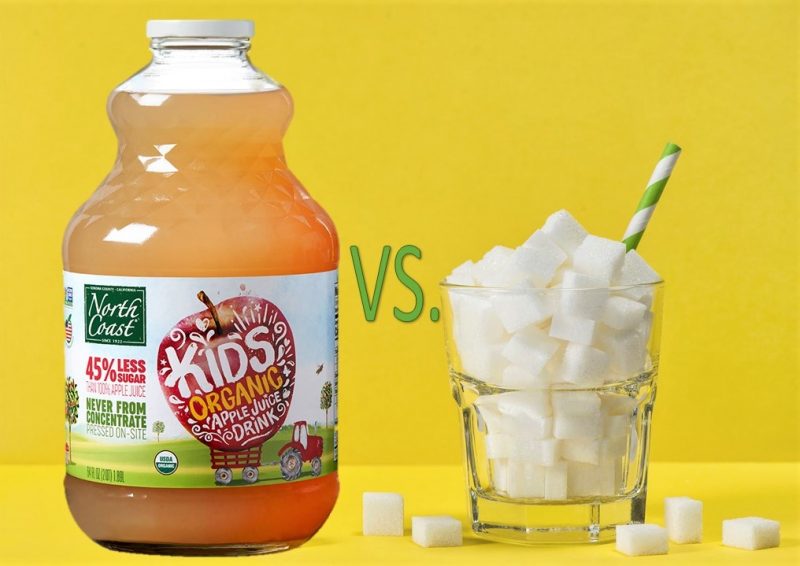
Is Fruit Juice Concentrate Healthy?
FAQ
What does 100 apple juice from concentrate mean?
Is 100% fruit juice from concentrate bad for you?
100% fruit juice can be a part of a healthy diet as it contains vitamins, minerals, and antioxidants found in whole fruits. However, it’s still high in natural sugars and lacks the fiber content of whole fruits, so it’s best to consume it in moderation as part of a balanced diet.
Is apple juice concentrate the same as apple juice?
Is apple juice from concentrate better for you?
… sugars and sweeteners are added, you may be surprised to hear that juice “from concentrate” and juice “not from concentrate” have the same nutritional value