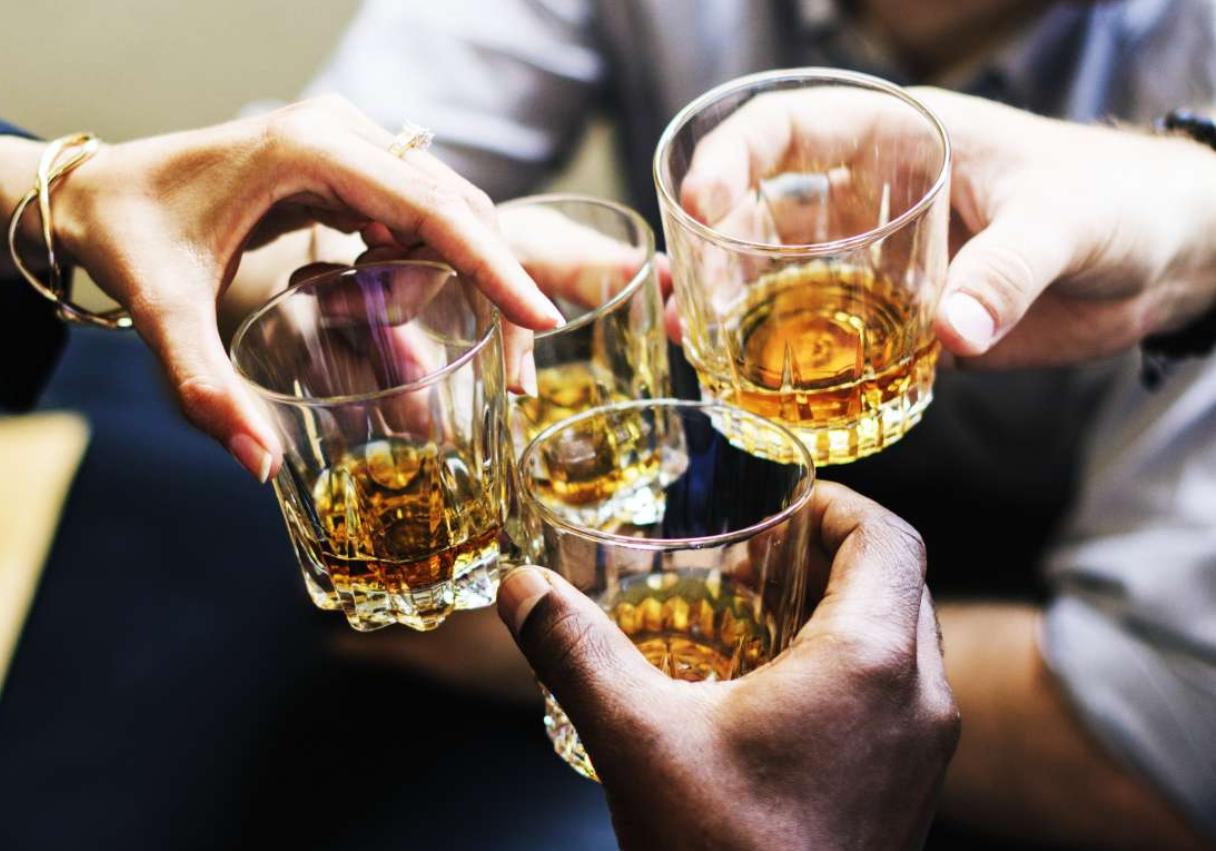
Hey there, apple lovers! If you’ve ever found yourself with a bucketload of apples from your backyard tree or a sweet farmers’ market haul, you mighta wondered, “What can I do with all this fruit?” Well, lemme tell ya, turning those apples into booze is one of the most fun and rewarding things you can try. I’ve been there, knee-deep in apple peels, dreaming up ways to craft something sippable, and trust me, it’s a game-changer. So, what alcohol can you make from apples? Let’s dive right in and explore the tasty options we got, plus how to whip ‘em up at home.
The Apple Booze Lineup: What You Can Make
Before we get into the nitty-gritty of brewing, here’s the lowdown on the kinds of alcohol you can create from apples These are the big players in the apple liquor game, each with its own vibe and flavor kick
- Apple Cider (Hard Cider): This is your classic fermented apple juice. It’s crisp, refreshing, and often a bit bubbly. Perfect for a chill evening or mixin’ with other drinks. It’s usually lighter in alcohol than the others.
- Apple Brandy: Think of this as a fancy, strong spirit with a deep apple essence. It’s got a warm, rich taste, sometimes spiced up with extras like cinnamon. Great for sipping on a cold night.
- Apple Wine: A bit more refined than cider, apple wine is fermented longer and can pack a stronger punch. It’s got a smoother, fruit-forward profile that wine lovers dig.
- Apple-Based Liqueurs: These are the sweet, funky cousins of the bunch. You can infuse apples into a base spirit with sugar and spices to make something dessert-like and totally sippable.
Now that we’ve got the lineup, let’s roll up our sleeves and figure out how to make these at home. I’m gonna focus on cider and brandy first since they’re the most popular (and I’ve got some killer tips for ‘em), then touch on wine and liqueurs.
Crafting Hard Apple Cider: The Easy Starter Brew
If you’re new to making alcohol from apples, hard cider is the way to go. It’s pretty straightforward, don’t require a ton of fancy gear, and the results are darn tasty. Here’s how I do it, step by step, based on my own kitchen experiments.
What You’ll Need
- Ripe apples (a mix of sweet and tart works best)
- A crusher or blender (to mash ‘em up)
- A big clean container or bucket (food-grade plastic or glass)
- Yeast (cider or wine yeast is awesome; check a brewing store)
- A siphon tube (for later)
- Bottles with tight lids
- A mesh bag or cheesecloth (optional but handy)
Steps to Make Hard Cider
- Pick and Prep Your Apples: Grab a bunch of ripe, juicy apples. Wash ‘em good to get rid of dirt and bugs. I usually cut out any bad spots, but you don’t gotta peel ‘em unless you want less bitterness.
- Smash Those Apples: Use a crusher, blender, or even a food processor to turn your apples into a pulpy mess. The goal is to get as much juice outta them as you can.
- Squeeze the Juice: Pour that pulp into a mesh bag or cheesecloth and squeeze hard over a bucket to get the juice. If you’ve got a fruit press, even better! Collect all that golden liquid in your container.
- Add the Yeast: Sprinkle in your yeast. This little magic ingredient turns the sugar in the juice into alcohol. Stir it gently and cover the container with a lid that lets gas escape (an airlock if you got one, or just a loose cloth).
- Let It Ferment: Stash your container in a cool, dark spot for about 1-2 weeks. You’ll see it bubble and foam as the yeast does its thing. Give it a peek now and then to make sure it’s working.
- Siphon Off the Good Stuff: Once the bubbling slows down, use a siphon tube to transfer the liquid into another clean container, leaving behind the gunk at the bottom. This is called “racking.”
- Age It (If You’re Patient): Let it sit for a few more weeks in that cool, dark place to mellow out the flavors. If you’re impatient like me sometimes, you can skip straight to bottling.
- Bottle and Sip: Pour your cider into clean bottles with tight lids. Let ‘em sit a day or two if you want some fizz, then crack one open and enjoy!
Hard cider is super forgiving, so don’t stress if it ain’t perfect the first time Play around with the sweetness by adding a bit of sugar before bottling if you like it less dry
Making Apple Brandy: A Strong, Soul-Warming Spirit
Now, if you’re up for somethin’ a bit more intense apple brandy is where it’s at. This stuff packs a punch and tastes like a cozy hug in a glass especially if you toss in some spices. It’s a longer process than cider, but oh boy, is it worth it. Here’s my take on crafting it.
What You’ll Need
- Red apples (about 18 oz, peeled and chopped)
- Sugar (around 10 oz, white or brown for a caramel vibe)
- Cinnamon (3 sticks or 2 big teaspoons of powder)
- Dry white wine (40-70 cl, depending on how sweet ya like it)
- Brandy base (60 cl, pick a decent one)
- A saucepan
- A big jar or container (like a 2.5-liter Mason jar)
- Muslin cloth or a fine strainer
- Bottles for the final product
Steps to Make Apple Brandy
- Prep Your Apples: Peel and chop your apples into small bits. Red ones work best for sweetness, but if you’ve got cooking apples, just bump up the sugar a tad.
- Cook ‘Em Down: Toss the chopped apples into a saucepan with a couple tablespoons of water and your cinnamon. Put the lid on and cook over medium heat for 10-15 minutes till they’re soft and mushy.
- Sweeten the Deal: Stir in about half your sugar to start. Taste it—yep, right there in the pan—and add more if you want it sweeter. The wine will balance things out later, so don’t go overboard.
- Cool It Off: Let that apple mix chill down completely. Hot stuff and alcohol don’t mix well at this stage, trust me.
- Mix the Booze: Grab your big jar and pour in the cooled apple mixture. Add your brandy and white wine, seal it up, and give it a good shake to blend everything.
- Stash and Shake: Hide that jar in a dark, cool spot. Every 3 days or so, give it a solid shake to keep things mixin’. Do this for about 3 weeks.
- Strain It First Time: After 3 weeks, use a slotted spoon to scoop out the chunky bits, then strain the liquid through a muslin cloth into another container. Pop it back in that dark spot.
- More Waiting and Shaking: Keep shaking every 3 days for another 3 weeks. Then strain it again through the muslin to get rid of more gunk.
- Final Rest: Let it sit undisturbed for 2 more weeks in that cool, dark place so any leftover sediment settles. Strain one last time, then bottle it up in some nice glass bottles.
- Label and Gift (or Keep): Slap a label on there so you remember what it is. This stuff makes an amazing homemade gift, or just hoard it for yourself on chilly nights.
A lil’ tip from yours truly: don’t toss the apple mush you strain out! I mix mine into cakes or even heat it up with ice cream for a quick dessert. Waste not, want not, right?
Apple Wine: A Classy Twist
If cider feels too casual and brandy too strong, apple wine might be your jam. It’s kinda like cider but with a bit more oomph and a smoother finish. The process ain’t much different from cider, just a longer fermentation and sometimes a touch more care.
Quick How-To for Apple Wine
- Start like cider: wash, crush, and juice your apples.
- Add a wine-specific yeast instead of cider yeast for better alcohol content.
- Ferment in a glass container with an airlock for 2-4 weeks, racking it once or twice to clear out sediment.
- Age it for a couple months (or longer if you’ve got the patience) to let the flavors really shine.
- Bottle it and enjoy with a nice dinner.
You can tweak the sweetness at the end by stirring in a bit of sugar before bottling. I like mine a tad dry, but hey, you do you.
Apple Liqueurs: Sweet and Funky Flavors
For a dessert in a glass, apple liqueurs are the way to go. These are sweet, often spiced drinks you can make by infusing apples into a base spirit. Think of ‘em as a boozy apple pie shot.
Easy Peasy Liqueur Idea
- Chop up some apples and toss ‘em in a jar with sugar and a base like vodka or brandy.
- Add spices like cinnamon or cloves if you’re feelin’ fancy.
- Let it sit for a few weeks, shaking occasionally.
- Strain out the solids and bottle the liquid. Sip it slow or drizzle over ice cream (yep, I’ve done that).
These are great for mixin’ into cocktails or just enjoying as a little after-dinner treat.
Quick Comparison: Which Apple Booze Suits Ya?
Here’s a handy table to break down the differences between these apple alcohols, so you can pick the one that fits your vibe.
| Type | Strength | Sweetness | Time to Make | Best For |
|---|---|---|---|---|
| Hard Cider | Light (4-8%) | Adjustable | 2-4 weeks | Casual sipping, parties |
| Apple Brandy | Strong (30-40%) | Often sweet | 8-10 weeks | Cold nights, gifting |
| Apple Wine | Medium (10-14%) | Adjustable | 6-12 weeks | Dinner pairing, classy vibes |
| Apple Liqueur | Varies (20-30%) | Very sweet | 3-6 weeks | Desserts, cocktails |
Tips and Tricks for Apple Booze Success
I’ve had my share of hits and misses with apple alcohol, so here’s some wisdom to keep ya from makin’ the same dumb mistakes I did.
- Use Ripe Apples: Go for fully ripe ones for max flavor. Slightly underripe is okay, but skip the rotten ones—they’ll mess up your brew big time.
- Clean Everything: Sanitize your containers, bottles, and tools. One funky germ can turn your batch into vinegar. Yuck.
- Taste as You Go: Especially with brandy, taste your mix early on to adjust sugar or spices. It’s easier to fix before it sits for weeks.
- Store Smart: Keep your fermenting stuff in a cool, dark place. Heat and light can mess with the process.
- Don’t Rush It: Patience is key, specially with brandy and wine. The longer it sits, the better it gets.
Common Questions About Apple Alcohol (FAQ Style)
Got some burning questions? I’ve heard a bunch over the years, so let’s tackle ‘em head-on.
- Can I use store-bought apple juice instead of fresh apples? Yup, you can, specially for cider or wine. Just make sure it ain’t got preservatives, or the yeast won’t work right.
- How long can I store this stuff? If you bottle it proper, it can last years. I’d say drink within a year or two for the freshest taste, though.
- Is makin’ alcohol at home even legal? Depends where ya live. Check your local laws before you start, ‘cause I don’t wanna see ya in hot water.
- What if my fermentation stops early? Could be the temp or yeast. Warm it up a bit or add more yeast to kickstart it again.
- Can I mess with the sweetness? Totally! Add sugar or sweeteners before bottling to get it just how you like.
Why Make Apple Alcohol Anyway?
Look, there’s somethin’ special about turnin’ a pile of apples into a drink you can share with friends or sip solo by a fire. It’s not just about the end result—it’s the whole dang process. The smell of apples cookin’ down, the anticipation while it ferments, even the little screw-ups that teach ya somethin’ new. Plus, it’s a great way to use up extras so they don’t go to waste.
I’ve made batches of cider for summer BBQs and gifted brandy jars at holidays, and every time, folks are blown away by the personal touch. It ain’t just booze; it’s a story, a lil’ piece of effort and care in every glass. So, grab those apples sittin’ on your counter and give one of these a shot. Whether you start with a simple cider or go all-in on brandy, you’re in for a treat.
Got a fave apple brew or a tip I didn’t cover? Drop it in the comments or shoot me a message—I’m always down to chat about this stuff. Here’s to craftin’ some wicked good apple alcohol. Cheers, y’all!