
Hey there, folks! Ever thought about turnin’ a pile of apples into somethin’ boozy and downright delicious? Well, stick with me, ‘cause I’m gonna walk ya through how to make homemade apple wine step by freakin’ step. This ain’t just a drink—it’s a labor of love, a lil’ bit of science, and a whole lotta reward. Whether you’ve got a backyard full of apple trees or just snagged a bag from the market, you can whip up a batch of this crisp, fruity wine right in your kitchen. We’re talkin’ a process that’s simpler than you’d think, with flavors that’ll knock your socks off come sippin’ time.
In this guide, I’ll show ya everything from pickin’ the right apples to bottlin’ up your masterpiece. No fancy winery needed—just some basic gear, a bit of patience, and a willingness to get your hands a tad messy. Let’s dive in and get this apple party started!
Why Bother Making Apple Wine at Home?
First off why even mess with makin’ your own apple wine? Lemme tell ya there’s a few reasons I’m hooked on this hobby, and I bet you will be too
- It’s Cheap as Heck: Apples are everywhere, especially in fall. Got extras lyin’ around? Turn ‘em into wine instead of lettin’ ‘em rot.
- Total Flavor Control: Wanna sweet wine? Dry? Spiced up with cinnamon? You’re the boss of this brew.
- Braggin’ Rights: Nothin’ beats servin’ up a glass of somethin’ you made yourself. Watch your pals’ jaws drop when you say, “Yeah, I brewed this.”
- Pure Fun: There’s somethin’ magical about watchin’ juice turn to booze. It’s like a science experiment you can drink!
I remember the first time I tried this—had a bunch of apples goin’ bad, and thought, “Why not?” Ended up with a batch so tasty, I’ve been at it ever since. Trust me, once you start, you ain’t stoppin’.
What You’ll Need to Get Started
Before we get to the nitty-gritty, let’s round up the stuff you’ll need. Don’t worry, most of this is either in your kitchen already or easy to grab. Here’s the rundown on equipment and ingredients for a one-gallon batch of apple wine.
Equipment Checklist
- Two Glass Jugs (1-gallon size): These are for fermentin’. Look for somethin’ called “carboys” if you’re buyin’ new.
- Rubber Stoppers and Airlocks: Keeps air out but lets gas escape durin’ fermentation. Super important!
- Brewing Sanitizer: Gotta keep things clean, or you’ll ruin the batch. No shortcuts here.
- Straining Bag or Sieve: To filter out apple chunks after the first fermentation.
- Wine Bottles and Corks: For storin’ your finished wine. A bottle corker helps too.
- Siphon Tube: Makes transferrin’ liquid between jugs a breeze without stirrin’ up sediment.
- Large Pot: For boilin’ water or heatin’ stuff up.
- Potato Masher or Food Processor: To crush them apples good.
- Large Funnel: Helps pour without spillin’ everywhere.
Pro tip: If this is your first rodeo, grab a wine starter kit. They usually got most of this stuff bundled up, savin’ you the hassle.
Ingredients for a 1-Gallon Batch
Here’s a handy table of what goes into your apple wine. Some stuff’s optional, but I’ll explain why each matters
| Ingredient | Amount | Purpose | Notes/Substitutes |
|---|---|---|---|
| Fresh Apples | 4-6 kg (8-13 lbs) | Main flavor and sugar source. | Tart apples best; mix varieties for depth. |
| Cane Sugar | 1-3 lbs | Fuels fermentation; adjusts sweetness. | Brown sugar works too for richer taste. |
| Water | Enough to fill jug | Base liquid for the mix. | Filtered water if tap tastes funky. |
| Wine Yeast | 1 packet (or less) | Turns sugar into alcohol. | Don’t use bread yeast—tastes awful! |
| Yeast Nutrient | 1 tsp | Keeps yeast happy and fermentin’ strong. | Raisins (a handful) can sub in a pinch. |
| Pectic Enzyme | 1/2 tsp | Breaks down pectin for clearer wine. | Skip if you don’t mind hazy look. |
| Acid Blend | 1 tsp | Balances flavor with acidity. | Lemon juice can work instead. |
| Wine Tannin | 1/4 tsp | Adds a lil’ bitterness for balance. | Strong black tea as a sub. |
| Campden Tablets | 1 tablet | Stabilizes wine, prevents spoilage. | Essential for color and flavor. |
| Potassium Sorbate | 1/2 tsp (optional) | Stops fermentation if back-sweetenin’. | Only if you’re addin’ extra sugar later. |
| Cinnamon Stick or Raisins | Optional | Extra flavor kick. | Add to taste durin’ fermentation. |
Don’t stress if you ain’t got every single thing—some of these got workarounds, and I’ll point ‘em out as we go. Now, let’s get to the fun part!
Step-by-Step Guide to Makin’ Homemade Apple Wine
Makin’ apple wine is a process, but it ain’t rocket science It’s mostly about choppin’, mixin’, waitin’, and tastin’ I’ve broke it down into clear steps so you don’t get lost. Follow along, and you’ll have a batch brewin’ in no time.
Step 1: Pick and Prep Your Apples
Start with good apples. You’ll need a bunch—around 8 to 13 pounds for a gallon. Tart ones are my go-to ‘cause they give a nice zing, but mixin’ sweet and crisp varieties can make your wine more interestin’. Don’t use apples off the ground—those windfalls can have bacteria that’ll mess things up. A bruise or two? No biggie, just cut out any rotten bits.
Wash ‘em good. I usually soak mine in water for a few minutes, then scrub lightly. Don’t peel or core ‘em—you want all that flavor from the skins. Set ‘em aside ‘til you’re ready to chop. Oh, and if you’re in a pinch, store-bought apple juice works too, just make sure it’s 100% pure with no preservatives like potassium sorbate. Them chemicals kill fermentation dead.
Step 2: Get the Juice Flowin’
Time to turn them apples into mush. Chop ‘em up roughly—skins, seeds, and all—and toss ‘em in a big pot or use a food processor if you got one. If you’ve got a press, even better; it’ll squeeze out juice quick. Aim to crush ‘em enough to get the juices goin’. You ain’t makin’ pie, so don’t worry about it lookin’ pretty.
Add a bit of water to the pot if it’s lookin’ dry, then heat it up just a tad—not boilin’, just warm—to help break ‘em down. Mash with a potato masher ‘til it’s a sloppy mess. This is where the magic starts, folks.
Step 3: Mix in the Sweet Stuff
Fill a pot with about a gallon of water, get it near boilin’, then let it cool a smidge. Add your sugar—start with a pound or two, dependin’ on how sweet ya like it. Stir ‘til it’s all dissolved. Don’t dump sugar in while it’s ragin’ hot, or you’ll burn it and gotta start over. Been there, done that, and it sucks.
Pour this sugary water over your apple mush in a big fermentation bucket. If you’re tossin’ in extras like a cinnamon stick for a lil’ spice, now’s the time. Let this sit overnight, or at least 8 hours, to let the flavors mingle.
Step 4: Kickstart Fermentation
After sittin’, you might see some bubbles already—that’s natural yeast on the apples gettin’ busy. But we ain’t relyin’ on that. Add your wine yeast (check the packet for how much) and yeast nutrient to keep it chuggin’. Toss in acid blend for balance and pectic enzyme if you want clear wine. Stir it up with a sterilized spoon.
Cover it loosely and set it aside for about 5 days. Stir twice a day to keep things movin’. You’ll see foam and smell that funky fermentation scent—means it’s workin’! Primary fermentation might take a week or two, dependin’ on temp. When the foam dies down, you’re ready for the next bit.
Step 5: Strain and Settle
Now, strain out the apple chunks. Use a sieve or straining bag over a clean pot. Do it in batches so you ain’t heftin’ a huge mess. If it’s still cloudy, strain again. Use a funnel to pour this young wine into a glass jug, leavin’ some headspace at the top. Seal it with an airlock to let gas out without lettin’ air in.
Stick this jug in a cool, dark spot. Let it sit for 3 weeks or so. Bubbles should slow down or stop—that’s your sign it’s calmin’ down.
Step 6: Rack It Up
After a few weeks, you’ll see gunk—sediment and yeast—at the jug’s bottom. Time to “rack,” which just means movin’ the clear liquid to a new jug. Place the full jug on a counter, new jug below it. Use a siphon tube (don’t suck up the bottom crud) to transfer. Don’t shake it, or you’ll mix in the junk.
Seal the new jug with an airlock again and let it sit another 3 weeks. If it’s still cloudy, rack one more time. Patience here makes a clearer, tastier wine.
Step 7: Bottle and Age
When it’s lookin’ clear, it’s bottlin’ time! Siphon into clean wine bottles, leavin’ a lil’ space at the top. Cork ‘em tight and label if ya fancy. Now, here’s the hard part—wait. Let ‘em age at least a month, but honestly, the longer, the better. Flavor gets smoother over time.
I’ve had batches taste okay after a month, but waitin’ 6 months? Holy cow, it’s like a whole new drink. Stash ‘em in a cool, dark place, and resist the urge to sneak a sip too early.
Tips for a Killer Batch of Apple Wine
Wanna take your apple wine from good to great? Here’s some nuggets of wisdom I’ve picked up over the years:
- Mix Them Apples: Don’t stick to one kind. Blend tart, sweet, and crisp for a more complex taste. Pink Lady apples got a nice zing if you can find ‘em.
- Keep It Clean, Yo: Sanitize every dang thing. One dirty spoon can spoil the whole batch. I use boilin’ water or a brewin’ sanitizer on everything.
- Play with Flavors: Toss in a handful of raisins or a cinnamon stick durin’ fermentation for a twist. Just don’t overdo it—start small.
- Temperature Matters: Keep fermentin’ jugs around 70-85°F if possible. Too cold, and it slows down; too hot, and it might taste off.
- Back-Sweeten if Needed: If your wine’s too dry after fermentin’, add a bit more sugar or apple juice before bottlin’. Just use potassium sorbate to stop extra fermentation, or you’ll get explodin’ bottles. Yikes!
Common Hiccups and How to Fix ‘Em
Things don’t always go perfect, and that’s alright. Here’s some messes I’ve run into and how to handle ‘em:
- Fermentation Stopped: If no bubbles after a few days, check the temp—it might be too cold. Move it somewhere warmer. Also, make sure your airlock ain’t clogged.
- Cloudy Wine: Didn’t use pectic enzyme? No worries, just rack it a few extra times over a longer period. It’ll clear up eventually.
- Tastes Weird: Could be contamination. Smell somethin’ like vinegar? Might gotta toss it and start fresh with cleaner gear.
- Too Dry: If it ain’t sweet enough, back-sweeten with sugar water or juice. Add a Campden tablet to keep it stable.
- Bottles Poppin’: Added sugar without stabilizin’? Fermentation restarted and built up gas. Open bottles carefully in a sink and use stabilizers next time.
Sippin’ and Savin’ Your Apple Wine
Once it’s ready, chill a bottle for a refreshin’ drink, or warm it with spices like cinnamon and cloves for a cozy mulled vibe. It pairs awesome with nuts or hearty fall dishes. Store bottles in a cool, dark spot—they can last up to a year, gettin’ better with age.
I love crackin’ open a bottle on a crisp autumn night, sittin’ by a fire. There’s somethin’ special about tastin’ the fruits of your labor—pun intended! If you’ve got extra apples, why not whip up a batch of hard cider too? Same gear, just a tweak in the process for a fizzier kick.
Wrappin’ It Up
So there ya have it—your complete guide on how to make homemade apple wine. It’s a journey of choppin’, fermentin’, waitin’, and finally enjoyin’ a glass of somethin’ you crafted with your own hands. We’ve covered the gear, the ingredients, the steps, and even how to dodge a few pitfalls. I hope you’re feelin’ pumped to give this a shot.
Got a batch brewin’ or a question ‘bout the process? Drop a comment or shoot me a note—I’m all ears for sharin’ tips or troubleshootin’. Here’s to many a toast with your very own apple wine. Cheers, y’all!
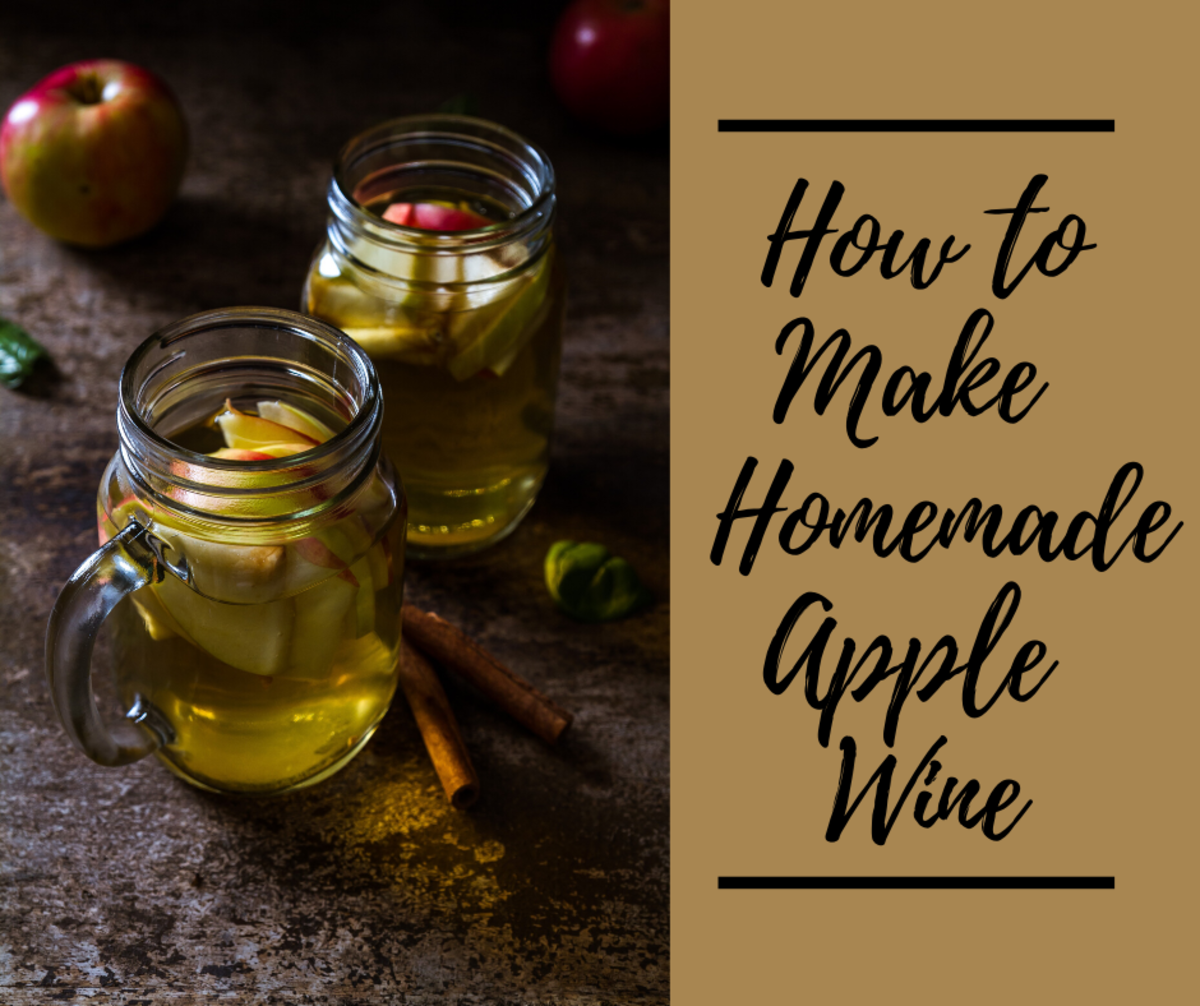
How to make Apple Wine at home | Homemade Wine
FAQ
How many apples does it take to make 5 gallons of wine?
You nee to be chopping about 80 pounds of apples to end up with 5 gallons of apple wine. Dump all the sliced apples in the fermenter(s). Add a sugar/water mixture to fermenters until the apples are covered. This sugar/water mixture is made by dissolving 1-1/2 pounds of sugar to each gallon of water.
How long does apple wine take to ferment?
During the 24 hours the gas leaves the container making it safe to add the wine yeast. Sprinkle the wine yeast over the surface of the juice and then cover with a thin, clean towel. Allow this mixture (must) to ferment for 5 to 7 days.
Do apples make good wine?
Unripe or immature fruit should not be used since it is high in starch, acid, and astringency; and low in sugar and flavor. On the other hand, overly mature fruit can be low in fresh and fruity flavor, difficult to process and also difficult to clarify. Many apple varieties can be used for making wine.