
Hey there, kitchen warriors! Ever dug through your pantry and stumbled on a bottle of apple cider vinegar (ACV) that’s been sittin’ there since, well, forever? You’re prob’ly wondering, “How long is apple cider vinegar good for?” and if that dusty ol’ thing is still safe to splash into your salad dressing or morning health shot. Well, I’m here to spill the beans with some straight-up, no-nonsense info. Spoiler alert: ACV don’t really go bad, but there’s a catch or two you gotta know about. Let’s dive right in and get the lowdown on this tangy staple!
The Big Answer: Does Apple Cider Vinegar Expire?
First things first, lemme lay it out plain and simple. Apple cider vinegar is kinda like a superhero in the pantry world—it’s got a crazy long shelf life thanks to its acidic punch. Technically, it don’t expire or “go bad” in the way milk or bread does. That’s right, it’s self-preserving, so you ain’t gotta worry about it turning into some toxic mess.
Here’s the deal though
- Unopened bottles: These bad boys can last up to 5 years or even longer if stored right. We’re talkin’ indefinitely in some cases!
- Opened bottles: Once you crack that seal, it’s best to use it within about 2 years for top-notch flavor and quality. After that, it might not be as zesty or potent, but it’s still safe to use most of the time.
Now, don’t get me wrong—over time, ACV can change. It might get all cloudy-like, especially if it’s the unfiltered kind with that funky “mother” stuff floatin’ around. The taste could turn sharper or weaker, too. But spoiled? Nah, not really. Stick with me, and I’ll break down why that is and what to watch for.
What Even Is Apple Cider Vinegar, Anyway?
Before we get too deep let’s chat about what this stuff is. Apple cider vinegar or ACV as I like to call it, comes from fermented apples. They crush ‘em up into juice, add some yeast to turn the sugars into alcohol, and then let bacteria work their magic to transform that booze into acetic acid. That’s the stuff that gives ACV its sour, tangy kick and makes it a killer preservative.
You’ll find two types on the shelf
- Filtered ACV: This is the clear, pretty lookin’ one. They’ve strained out all the gunky bits, so it’s smooth and transparent.
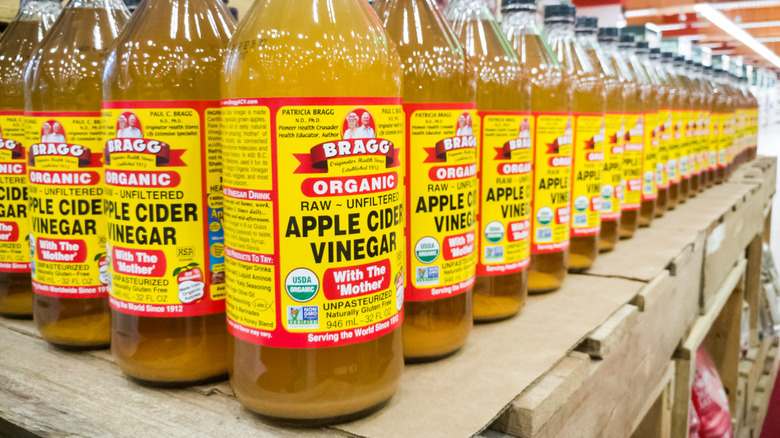
- Unfiltered ACV: This is the raw, murky version. It’s got this weird, gelatinous blob called the “mother” in it, which is just a bunch of good bacteria and yeast from fermentation. Some folks swear by it for health perks, sayin’ it helps with digestion and all that jazz.
I’ve got both kinds in my kitchen, and I gotta say, the unfiltered stuff looks sketchy at first, but it’s all good. Just shake it up if them floaters weird you out!
Why Don’t Apple Cider Vinegar Go Bad?
So, why’s this vinegar lastin’ longer than my New Year’s resolutions? It’s all about that acetic acid I mentioned. This component is like a bouncer at a club—it keeps the bad stuff (think mold or nasty bacteria) from crashin’ the party. That high acidity creates an environment where most spoilage critters can’t survive. Pretty dope, right?
Even though the FDA makes companies slap an expiration date on the bottle (usually 2 to 5 years from when it was made), that’s more of a “best by” guideline than a hard stop. I’ve used bottles way past that date, and they’ve been just fine for cookin’ up a storm or even mixin’ into a detox drink. The key is how you store it, which we’re gonna get into next.
How to Store Apple Cider Vinegar Like a Pro
If you wanna keep your ACV tasting fresh and punchy for as long as possible, storage is where it’s at. I’ve made the mistake of leavin’ a bottle near my stove once, and lemme tell ya, the heat did it no favors. Here’s how to treat your vinegar right:
- Keep it in a cool, dark spot: Stick it in a pantry or cupboard away from sunlight. Light and heat can mess with the flavor over time and speed up them changes we don’t want.
- Seal it tight: Make sure the lid is screwed on good after every use. The more air gets in, the quicker it’ll oxidize and start lookin’ or tastin’ different.
- Don’t refrigerate: You don’t need to chill it. In fact, the fridge don’t do much to extend its life. Just a dark shelf is perfect.
- Avoid heat sources: Don’t park it near your oven or any hot spots in the kitchen. Heat breaks down that zingy acidity faster than you’d think.
I’ve got mine tucked away in a corner cabinet, and it’s been goin’ strong for ages. Follow these tips, and your bottle will stay in tip-top shape for years, whether it’s opened or not.
What Happens When Apple Cider Vinegar Gets Old?
Alright, so it don’t spoil, but that don’t mean it stays the same forever. As time goes on, especially after you’ve popped the seal, ACV can go through some changes. Here’s what to expect:
- Cloudiness and sediment: If it’s unfiltered, you might see more of that “mother” stuff settlin’ at the bottom or floatin’ around. Even filtered stuff can get hazy over time. This ain’t a bad thing—just a natural reaction to oxygen exposure.
- Flavor shift: It might taste more acidic or, weirdly, lose some of its punch. I’ve noticed older bottles don’t have that sharp bite I love in a vinaigrette.
- Less potency: If you’re usin’ it for health reasons or pickling, an old bottle might not have the acid level you need. More on that in a sec.
Now, these changes don’t mean it’s trash. Most of the time, it’s still fine to use for cookin’ or cleanin’. But there’s a line—rare, but it happens—where you gotta toss it.
When Should You Chuck That Bottle?
I know I said it don’t go bad, but there’s a couple red flags to watch for. If you see any of these, it’s time to say goodbye to your ACV, no matter how much you paid for that fancy organic brand:
- Mold: If there’s fuzzy stuff growin’ in there, that’s a hard no. I ain’t never seen this myself, but it can happen if somethin’ funky got into the bottle.
- Weird smell: It’s supposed to smell sharp and sour, but if it’s givin’ off a rotten or just plain wrong vibe, trust your nose and ditch it.
- Odd color: If it’s lookin’ way darker or got some strange tint that wasn’t there before, better safe than sorry.
Other than that, them cloudy bits or extra sediment? Totally normal. Just give the bottle a good shake to mix it back in, or strain it if you’re feelin’ fancy. I’ve done both, dependin’ on my mood.
Special Note: Usin’ Old ACV for Pickling or Preserving
Here’s a lil heads-up if you’re into canning or pickling at home. While old apple cider vinegar is usually fine for a quick dressing or marinade, I wouldn’t risk it for preservin’ foods. Why? ‘Cause over time, the acidity level can drop. Most store-bought ACV has about 5% acetic acid, which is key for keepin’ your pickled goodies safe from botulism or spoilage.
If that acid ain’t strong enough in an older bottle, you could be playin’ with fire. My rule of thumb? Always grab a fresh bottle for canning projects. I learned this the hard way when a batch of pickles didn’t quite turn out right—don’t be me!
What If You’re Out of Apple Cider Vinegar? Substitutes to Save the Day
Say you’ve checked your stash, and either you’re out of ACV or that bottle’s lookin’ too sketchy to use. No worries—we’ve got options. Here’s a handy list of swaps you can snag from your pantry to keep your recipe rollin’:
- White Wine Vinegar: This one’s got a similar tangy vibe. Use it 1:1, but since it ain’t as sweet as ACV, toss in a splash of lemon juice or a pinch of sugar to balance it out.
- White Vinegar: Super common and works 1:1, but it’s got a neutral taste. Add a lil fruit juice or lemon to mimic ACV’s apple-y sweetness.
- Rice Vinegar: If you’ve got the unseasoned kind, it’s a great match for acidity and sweetness. Swap it straight across.
- Champagne Vinegar: A bit milder, so you might wanna use a tad more. Still, it’s a classy sub for dressings or marinades.
- Lemon Juice: Not a vinegar, but it brings that fruity acidity. Works great in a pinch, especially for salads or drinks.
Check out this quick table for a glance at how these stack up:
| Substitute | Ratio to ACV | Flavor Notes | Best For |
|---|---|---|---|
| White Wine Vinegar | 1:1 | Tangy, less sweet | Dressings, marinades |
| White Vinegar | 1:1 | Neutral, sharp | Cleaning, basic recipes |
| Rice Vinegar (unseasoned) | 1:1 | Sweet and tangy | Asian dishes, salads |
| Champagne Vinegar | Slightly more | Mild, elegant | Light dressings, sauces |
| Lemon Juice | 1:1 | Fruity, bright | Drinks, salads, marinades |
I’ve used lemon juice in a salad dressing when I was outta ACV, and honestly, it turned out bomb. Experiment a lil and see what you vibe with!
Fun Ways to Use Up Your Apple Cider Vinegar
Got a bottle you wanna use up before it gets too old? Let’s get creative! ACV ain’t just for health shots (though I do love me a morning mix with honey and water). Here are some ideas to put that tangy goodness to work:
- Salad Dressings: Whip up a quick vinaigrette with ACV, olive oil, a dab of mustard, and some salt ‘n’ pepper. It’s my go-to for a zesty greens boost.
- Marinades: Soak some chicken or pork in a mix of ACV, garlic, and herbs. It tenderizes like a charm and adds wicked flavor.
- Pickles: Make quick fridge pickles with cukes, dill, and a brine of ACV, water, and salt. Perfect for snackin’!
- Soups and Stews: A tiny splash in a butternut squash soup or hearty stew can brighten up the whole pot. I’ve done this tons, and it’s a game-changer.
- Household Cleanin’: Mix it with water for a natural cleaner. I’ve used it to scrub down countertops, and it cuts grease like nobody’s business.
One of my fave recipes is a simple chickpea and veggie salad with an ACV dressin’. Just toss together some chickpeas, chopped cukes, red onion, and whatever greens you got. Drizzle with a mix of ACV, olive oil, a pinch of sugar, and some salt. Takes like 10 minutes and tastes freakin’ amazing.
Health Hype: Does Age Affect ACV’s Benefits?
Lots of peeps use ACV for health reasons—think digestion aid, blood sugar support, or even weight loss claims. I ain’t no doc, but I can tell ya that if you’re buyin’ unfiltered ACV for them probiotics in the “mother,” an older bottle might not pack the same punch. Them live cultures could fade over time, especially if it’s been sittin’ in bad conditions.
My advice? If you’re all about the health perks, try to use a fresher bottle and store it right. I keep a small one just for my mornin’ drinks and a bigger one for cookin’, so I’m not wastin’ the good stuff on marinades.
Wrappin’ It Up: Your ACV Ain’t Goin’ Nowhere
So, how long is apple cider vinegar good for? Pretty much forever, if we’re talkin’ safety. Unopened, it can chill on your shelf for 5 years or more. Opened, aim to use it within 2 years for the best taste and kick. It might get cloudy, taste different, or lose some oomph over time, but unless there’s mold or a nasty smell, you’re golden. Store it in a cool, dark place with the lid tight, and you’ll stretch its life out as long as possible.
I’ve been usin’ ACV for everything from salads to cleanin’ hacks for years, and I’ve never had a bottle go truly bad on me. Found one from like 3 years ago once, and after a quick sniff test, it went straight into a marinade. No probs! If you’re ever unsure, give it a shake, check for weirdness, and trust your gut. And hey, if you’re out, grab one of them substitutes I mentioned to save the day.
Got any ACV stories or recipes of your own? Drop ‘em in the comments—I’d love to hear how you’re usin’ this kitchen MVP. And if you found this helpful, share it with your crew. Let’s keep them pantries stocked and them flavors poppin’!
Apple Cider Vinegar Dosage
Because we still have a lot to learn about ACV, there arenât any official dosage suggestions. But some studies have given clues about the amount that may help with certain health conditions:Â
Weight control. In the study that reported weight loss benefits, people drank about 2 tablespoons a day â one before lunch and the other before dinner. Experts say that amount should be safe for most people.
Blood sugar and cholesterol control. People in the study saw improvement when they took about 1½ tablespoons after a meal.
Acid reflux. A teaspoon or two diluted in a mug of warm water after a meal may help with your acid reflux. Its unlikely to make your condition worse.
Does Apple Cider Vinegar Go Bad?
Because ACV is highly acidic, it stays safe to use for a very long time. But the taste and appearance can change over time, so its best to use it within 2-3 years after you buy it.
You dont have to refrigerate it once you open it. Instead, store it in a pantry or cabinet, away from direct sunlight.Â
To keep it looking and tasting its best, store it in a glass or plastic container. Keep the lid on when youre not using it. And avoid letting moisture get into the container.
Apple cider vinegar is a food ingredient that has long been used as a folk remedy. It contains modest amounts of probiotics, bacteria-killing acetic acid, and antioxidants. Some studies have found it may help people lose weight and lower their blood sugar and cholesterol levels. But we need more good-quality research into these and other potential health benefits.
How Much Apple Cider Vinegar Should You Drink? – Doctor Explains
FAQ
How do you know if apple cider vinegar has gone bad?
How long is apple cider good for after the expiration date?
Do I need to refrigerate apple cider vinegar after it’s opened?
What happens to apple cider vinegar when it goes bad?
How long does apple cider vinegar last?
This is because the FDA requires manufacturers to do so. Expiration dates are usually between 2 and 5 years from when the vinegar was produced, but it is fine to use apple cider vinegar (or any vinegar for that matter) well beyond that date. With that said, opened bottles of apple cider vinegar remain at their best quality for about 2 years.
Does apple cider vinegar need to be refrigerated?
With that said, opened bottles of apple cider vinegar remain at their best quality for about 2 years. Since apple cider vinegar is naturally very acidic, it doesn’t need to be refrigerated. Simply store your vinegar away from direct sunlight and in a cool, dark place.
Is apple cider vinegar good for You?
People know that apple cider vinegar can last for a long time and naturally keeps food fresh. However, if you find an old bottle of apple cider vinegar in your pantry, you might be wondering if it’s still good. Since it has an acidic nature, most bacteria that are bad for you can’t get into it. It might change again later.
Does apple cider vinegar go bad?
Although apple cider vinegar can never really go bad, it can undergo some physical changes over time. As it ages, it may become cloudier and produce more sediment, especially in unfiltered vinegar. This happens due to exposure to oxygen (from usage) and doesn’t mean the vinegar has spoiled.
Does vinegar expire?
While it technically never expires, storing it in a cool, dark place helps preserve its quality. As vinegar ages, it may undergo aesthetic changes, such as becoming hazy or separating. You may also notice cloudy sediments or fibers at the bottom of the bottle.
Does apple cider vinegar spoil?
While the vinegar doesn’t necessarily spoil or become unsafe to consume, its flavor profile may change, and it might lose some of its potency. Store apple cider vinegar in a cool, dark place away from direct sunlight, like your pantry or cupboard. Exposure to light can degrade the quality of the vinegar over time.