Hey there, food lovers! Picture this: it’s a crisp fall mornin’, leaves crunchin’ underfoot, and you’ve got a warm slice of toast in hand, slathered with a thick, sweet spread that tastes like autumn in a jar. Yup, I’m talkin’ about apple butter—that velvety, spiced goodness we can’t get enough of. But hold up, where did this stuff even come from? If you’ve ever wondered about the roots of this tasty treat, you’re in the right spot. We’re divin’ deep into the history of apple butter, from its ancient beginnings to its place on our tables today. So, grab a cup of cider, and let’s get into it!
The Ancient Roots of Apple Butter: A European Tale
Let’s kick things off with the big question where did apple butter originate? Well I’ve dug into some old stories, and it turns out this spread goes way back to the Middle Ages in Europe. Specifically it started in a region called Limburg—spannin’ parts of what’s now Belgium, the Netherlands—and also in Rhineland over in Germany. Back then, monasteries were the hubs of knowledge and agriculture, and the monks there had a knack for growin’ fruit trees, especially apples. With harvests bigger than they could eat fresh, they needed a way to preserve all that bounty.
That’s where apple butter was born. These clever folks cooked down apples into a thick, creamy paste, mixin’ in spices and sometimes sugar to make it last through the harsh winters. It wasn’t just food—it was a luxury, somethin’ special served at feasts or even used as medicine for tummy troubles. Imagine stirrin’ a big ol’ pot over a fire for hours, the sweet aroma fillin’ the air. That’s how they did it, and it was a labor of love, lemme tell ya.
- Why monasteries? They had the land, the trees, and the time to experiment with preservation.
- What made it special? It was a rare treat, not somethin’ everyday folks could whip up easy.
- How’d it taste back then? Prob’ly less sweet than today, but packed with deep, fruity flavor.
Crossin’ the Ocean: Apple Butter in the New World
Fast forward a few centuries, and apple butter hitched a ride across the Atlantic with European settlers. When folks from Germany and Switzerland—later known as the Pennsylvania Dutch—landed in America, they brought their recipes with ‘em. This was durin’ colonial times, and let me tell ya, apple butter found a perfect home here. The New World had tons of apples, sweet and tart, just beggin’ to be turned into somethin’ delicious.
In places like Pennsylvania, makin’ apple butter turned into a big deal. It wasn’t just about preservin’ food for winter; it became a community event. Whole families and neighbors would gather ‘round huge kettles, stirrin’ the mix for hours with wooden sticks, chattin’ and laughin’ as the apples cooked down. I reckon it was like a party, with the smell of cinnamon and cloves waftin’ everywhere. Over time, this spread became a staple in American kitchens, ‘specially in the Midwest and Northeast where apple orchards were aplenty.
- Who brought it over? German and Swiss immigrants, known as the Pennsylvania Dutch.
- Why’d it stick? Apples were everywhere, and folks needed ways to store ‘em long-term.
- Social vibe? Makin’ it was a group effort, a way to bond with kin and friends.
A Deeper Flavor: What Sets Apple Butter Apart
Now, if you’re thinkin’ apple butter sounds a lot like applesauce, hold yer horses. Sure, they’re cousins, but apple butter’s got a whole different personality. It’s thicker, richer, and way more intense ‘cause it’s cooked down for hours—sometimes a whole dang day! That long simmer caramelizes the natural sugars in the apples, givin’ it a deep, almost molasses-like taste. Plus, it’s usually spiced up with stuff like cinnamon, nutmeg, allspice, or cloves, which adds that warm, cozy kick.
I remember the first time I spread some on a biscuit—man, it was like a hug in food form. Unlike jam or jelly, it ain’t got no chunks; it’s smooth as silk. And compared to applesauce, it’s less watery and more concentrated. Back in the day, they didn’t always add sugar like we do now, relyin’ on the apples’ sweetness, but today’s versions might have a touch to balance the tang.
| Feature | Apple Butter | Applesauce |
|---|---|---|
| Texture | Thick, creamy, spreadable | Thinner, sometimes chunky |
| Cook Time | Hours, even a full day | Usually under an hour |
| Flavor | Deep, caramelized, spiced | Lighter, fresher apple taste |
| Common Use | Spreads, glazes, baking ingredient | Side dish, snack, baking mix-in |
A Community Tradition: The Heart of Apple Butter Makin’
One thing I love ‘bout apple butter is how it’s tied to family and community, especially in America. Back in colonial times, and even now in some places, makin’ it was a group project. Picture this: it’s a chilly fall day, and everyone’s out in the yard, peelin’ apples, pourin’ cider into a giant cauldron, and takin’ turns stirrin’ with a big wooden paddle. Hours go by, but nobody minds ‘cause you’re swappin’ stories and sippin’ somethin’ warm.
In regions like Pennsylvania, this tradition lives on through festivals I ain’t been to one myself, but I’ve heard ‘bout events where folks still cook apple butter the old-school way, over open fires, and let visitors taste it fresh It’s not just food—it’s heritage, a way to connect to the past. Growin’ up, my granny used to tell me how her own ma would make a batch every fall, and the whole house smelled like heaven. We’d slather it on everything, and it felt like a lil’ piece of history on our plates.
- Why communal? It took so long to make, you needed all hands on deck.
- Festival fun? Some towns celebrate with music, crafts, and apple butter tastin’.
- Nostalgia factor? For many, it’s a link to ancestors and simpler times.
How’d They Make It Back Then (And How Can We Now)?
Alright, let’s get into the nitty-gritty—how did folks whip up apple butter way back when, and how can we do it today? In the old days, it was a serious undertaking. They’d start with fresh cider, boilin’ it down in a huge kettle ‘til it was half gone. Then, they’d toss in peeled and chopped apples—lots of ‘em—and cook it slow over a fire. You had to keep stirrin’ so it didn’t burn, sometimes usin’ a special hickory stick with holes to mix it just right. Spices and maybe some sugar went in near the end, and after hours, you’d have this dark, thick spread to jar up.
Now, I ain’t got no giant kettle in my backyard, and I bet you don’t either. But guess what? We can still make it with modern tools. I’ve tried it in a slow cooker, and it’s a game-changer. Just chop up a bunch of apples—don’t even gotta peel ‘em if you’re feelin’ lazy—toss ‘em in with a splash of cider or water, some sugar, and spices like cinnamon. Let it cook on low for 8-10 hours, stirrin’ now and then. When it’s mushy, blend it smooth with a stick blender or whatever ya got. Boom, you’ve got apple butter without breakin’ a sweat.
Quick Tips for Homemade Apple Butter:
- Use a mix of sweet and tart apples for balanced flavor—think Granny Smith and Honeycrisp.
- Don’t skimp on cook time; the longer it simmers, the deeper the taste.
- Store it in glass jars in the fridge, or can it proper to keep for months.
- Wanna get fancy? Add a splash of vanilla or even bourbon near the end for a twist.
Apple Butter’s Many Hats: How to Use This Stuff
So, now that we know where apple butter came from and how to make it, what the heck do we do with it? Oh, buddy, the options are endless! Back in the day, folks spread it on bread with a slice of cheese, followin’ those old German traditions. In America, it became a go-to toppin’ for biscuits, pancakes, and waffles I’ve even heard of usin’ it as a glaze for meats—yep, slather it on a ham or pork roast for a sweet kick
Me, I love mixin’ it into oatmeal on a cold mornin’ or usin’ it as a fillin’ for pastries. Ever tried an apple butter pie? It’s a thing, and it’s amazin’. It’s also a sneaky way to cut down on butter or oil in bakin’—swap it in for moisture and flavor. And don’t get me started on pairin’ it with peanut butter on a sandwich; it’s a weird combo, but trust me, it’s a winner.
Ideas for Usin’ Apple Butter:
- Spread on toast, muffins, or cornbread for a quick snack.
- Mix into yogurt or ice cream for a fruity swirl.
- Use as a base for BBQ sauce—add some vinegar and heat for a tangy twist.
- Glaze over roasted veggies or meats for a sweet-savory vibe.
Cultural Impact: More Than Just a Spread
Apple butter ain’t just food; it’s a piece of who we are, ‘specially in America. Durin’ colonial times, it was a lifeline—somethin’ to keep families fed through long winters. It was made in big batches after the fall harvest, stored up to last ‘til spring. But beyond that, it’s woven into our stories and traditions. In some parts, it’s tied to folklore, showin’ up in old songs or tales ‘bout harvest time.
I think what hits me most is how it brings folks together. Whether it was neighbors helpin’ with the cookin’ or festivals celebratin’ the apple harvest, this spread has always been ‘bout community. Even today, when I see a jar at a farmer’s market, it reminds me of simpler days, of sittin’ ‘round a table with loved ones, sharin’ a meal. It’s got a way of makin’ ya feel connected, ya know?
Modern Twists and the Future of Apple Butter
These days, apple butter ain’t stuck in the past. Sure, we’ve got the traditional recipes, but there’s a whole wave of new ideas poppin’ up. Artisanal makers are gettin’ creative, addin’ flavors like vanilla, maple, or even a lil’ booze for an adult twist. I’ve seen small farms sellin’ it at markets, focusin’ on local apples and sustainable ways to make it. It’s kinda cool to see folks carin’ so much ‘bout keepin’ the old ways alive while mixin’ in fresh vibes.
Lookin’ ahead, I reckon apple butter’s got a bright future. People are cravin’ real, homemade foods more than ever, and this fits the bill. With farmers’ markets and online shops makin’ it easy to find, plus a push for eco-friendly stuff, I think we’ll see even more folks fallin’ in love with it. Maybe we’ll come up with new ways to use it—apple butter cocktails, anyone? Whatever happens, I’m just glad this old-school treat ain’t goin’ nowhere.
Wrappin’ Up: A Taste of History
So, there ya have it—the story of where apple butter came from, startin’ in the monasteries of Limburg and Rhineland in medieval Europe, travelin’ to America with the Pennsylvania Dutch, and stickin’ ‘round as a beloved tradition. It’s more than a spread; it’s a link to our past, a symbol of hard work and togetherness. Whether you’re makin’ it from scratch or pickin’ up a jar at the store, every bite’s got a lil’ history in it.
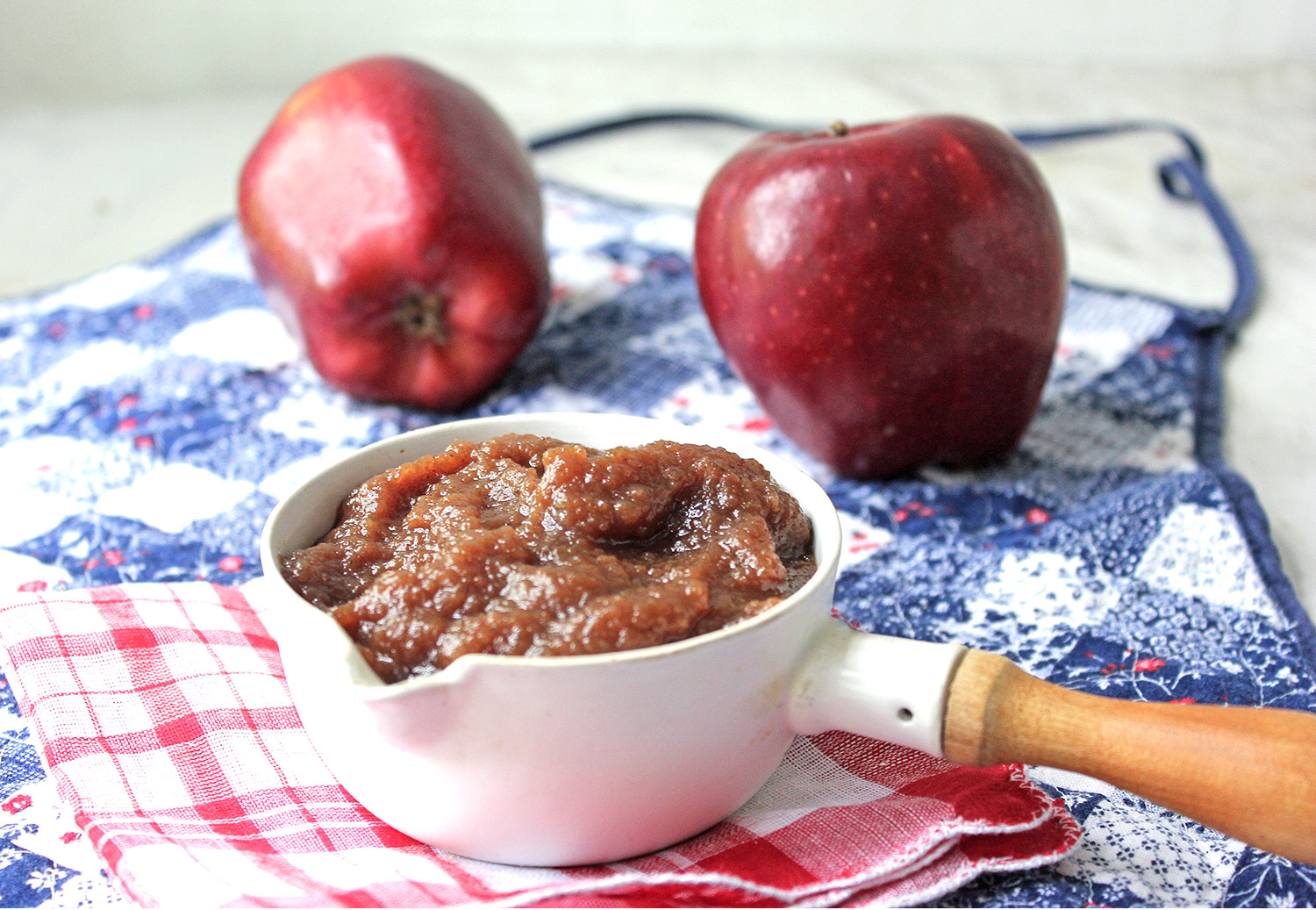
Apple Butter Made the Old Fashioned Way:
FAQ
Who made the first apple butter?
Historians do know that apple butter can be traced back to Germany and Belgium during the Middle Ages.
Is apple butter a southern food?
Apple butter is a staple of Southern pantries, particularly in the Appalachian region.Oct 8, 2020
Where did apple butter come from?
On a global scale, apple butter comes from Germany, Belgium and the Netherlands, going way back to the Middle Ages, when monks would make it to preserve the fruit from the orchards planted at monasteries. As the Pennsylvania Dutch are descended from German immigrants, this is one way they honor their food culture.
Is apple butter from Pennsylvania?
For over 80 years, Musselman’s Apple Butter has been made using a traditional Pennsylvania Dutch recipe; apples, sugar, cinnamon, and cloves. Apple butter dates back to colonial America, and the word “butter” refers to the soft texture and use as a spread.
What is apple butter and how is it made?
Apple butter is a concentrated form of apple sauce that is made by cooking the fruit until the sugar in them caramelises and goes brown. It is great for eating fresh or for turning into apple sauce or dried apple.
Where did butter come from?
The word butter is believed by some to derive from the Greek word bou-tyron, the approximate meaning of which is ‘cow cheese’. Others believe it came from the Scythian culture, as the ancient Greeks tended to herd sheep and goats, whose milk is not as good for butter making as cow milk, which the Scythians primarily herded.
What is apple butter called in the Netherlands?
In the Netherlands, apple butter is called apple syrup or appelstroop. Apple butter contains no dairy butter. It gets its name from the fact that it has a spreadable consistency similar to that of butter. It can also be called apple jam. Apple butter is similar to apple sauce, but it has been cooked for a much longer time.
What is apple butter used for?
Apple butter is used in savory preparations as well. You can use it to make a glaze for pork or chicken. Apple butter’s main ingredient is cooked and puréed apples. In some parts of Europe, the term apple butter is used for a syrup made from reduced apple juice.
Why is apple butter better than apple sauce?
The concentration of sugar gives apple butter a much longer shelf life as a preserve than apple sauce. The roots of apple butter lie in Limburg (Belgium and the Netherlands) and Rhineland (Germany), conceived during the Middle Ages, when the first monasteries (with large orchards) appeared.