
Learning How to Properly Clean Your Fruits and Veggies is super important. Not only does it ensure sparkly cleanliness, free of dirt and debris, but also bacteria! Toooons of bacteria.
On Instagram whenever I post about how I clean my produce I get so many questions so I figured I’d do a blog post just to have it up here whenever someone new comes along who wants the low down.
Here’s the thing, cleaning your produce with just water is not cutting it no matter what you have, organic or not organic. Fruit is fruit and veggies are veggies. Some grow out of trees, bushes, and straight up from the dirt in the ground like potatoes.
Let’s not forget all the traveling these products do, from the hands that touch them, transport them, and pack them, to the barrels, trucks, planes, and everything in between they travel on. Crates, boxes, what have you. Don’t think for one second each of these things are white glove clean. Have you seen a fruit truck or fruit stand before?! Those things are filthy!!!
And then there are the bugs…mice, and other rodents. I can’t even deal with thinking about it. Being a germ phob my brain takes that extra extra step in thinking of almost every single scenario on how these things can be dirty and what on earth they come in contact with. So it’s always best to thoroughly clean your goods for your protection and health.
Getting sick off of dirty produce like lettuce is extremely common. You don’t have to be a meat eater to get a bacterial infection like E.coli. or any type of food poisoning. I have a very hard time eating salads out because I’m not sure if the establishment is cleaning their fruits and veggies properly and I don’t really want to take that chance. A couple of years ago I ate a salad out and got super sick. Being sick like that is dreadful. But not to worry, by following these 4 easy steps you’ll be an avid produce cleaner in no time. You can spread the word to friends and family too and be able to answer any questions that come your way! And hey, if you’re one of those people who like to gamble and eats your veggies with a sprinkle of tap water, that’s no prob! There’s nothing wrong with steering on the safe side when it comes to these things especially if you have little ones who gobble this stuff up like I do.
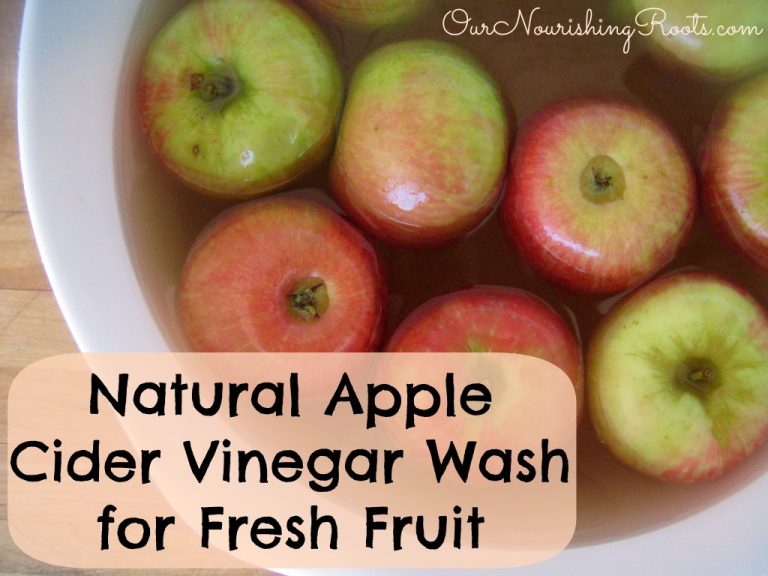
And that’s it! I typically don’t measure it, I just pour the ACV and baking soda in by eye. Too much won’t do any harm. I’m only giving measurements here so you have a guide. These measurements would be good for say 2 small containers of blueberries but use more if you have more in a bowl. Once I have it in the water I give it a good whirl with my finger or spoon and let it sit for 5 minutes. You can do this with any and all fruits and veggies. With potatoes I tend to let them sit for 5 then scrub them after because dirt of root veggies like that can be stubborn.
Pictured above you see how when adding the baking soda it fizzes up, it’s pretty cool.
Hey there, fellow kitchen warriors! If you’ve ever wondered, “Can you clean fruits with apple cider vinegar?” then lemme tell ya, you’re in for a treat. The answer is a big ol’ YES, and I’m gonna spill all the deets on why this pantry staple is a game-changer for keeping your fruits squeaky clean. Whether you’re munching on apples straight from the market or tossing berries into your smoothie, getting rid of dirt, pesticides, and nasty bacteria is a must. And trust me, apple cider vinegar (or ACV, as I like to call it) is your new best bud for this job. So, grab a cup of coffee, and let’s dive into how this funky vinegar works, step-by-step ways to use it, and why I swear by it in my kitchen.
Why Use Apple Cider Vinegar to Clean Fruits?
First off, let’s chat about why ACV ain’t just for salad dressings or weird health tonics. This stuff packs a punch with its natural acidity—thanks to somethin’ called acetic acid—that can zap away bacteria and loosen up grime on your fruits. I’m talkin’ about those sneaky pesticides and waxy coatings that make your apples shine a little too much, ya know? Plus, it’s all-natural, so you’re not dunking your food in some chemical soup. Here’s why I’m obsessed with using it:
- Totally Natural: No harsh cleaners or weird additives. Just good ol’ vinegar made from apples.
- Cheap as Chips: You probs already got a bottle in your cupboard, and it costs pennies compared to fancy fruit washes.
- Kills Germs: It’s got properties that knock out a bunch of bacteria and fungi, making your snacks safer.
- Eco-Friendly: Unlike some store-bought sprays, ACV don’t harm the planet. It’s biodegradable, baby!
- Easy Peasy: Mix it with water, and you’re good to go. No complicated steps here.
I remember the first time I tried it—honestly, I was a bit iffy. Like, would my strawberries end up tasting like pickles? But nah, when done right, it’s a total win. So, let’s get into the how-to before I ramble on too much.
How to Clean Fruits with Apple Cider Vinegar: Two Fab Methods
There’s a couple of ways to get your fruits spick-and-span with ACV, dependin’ on what you’re cleaning. I’ve got two go-to methods that work like a charm, whether you’re dealin’ with big ol’ apples or tiny blueberries. Let’s break ‘em down.
Method 1: The Soaking Trick for Small Fruits
This one’s perfect for berries, cherries, grapes, or any small fruits that you can dunk in a bowl. Here’s how I do it:
- Mix Your Magic Potion: Grab a big bowl and mix 1 part ACV with 10 parts water. So, like, if you use a cup of vinegar, add 10 cups of water. This keeps it strong enough to clean but not so crazy that your fruit tastes funny.
- Dunk ‘Em In: Pop your fruits into the solution. Make sure they’re all underwater—don’t let ‘em float around half-naked!
- Let ‘Em Chill: Leave ‘em to soak for about 15-20 minutes. This gives the vinegar time to work its germ-killing magic and loosen dirt.
- Rinse Like Crazy: After soaking, drain ‘em and rinse under cold running water. You wanna wash off any leftover vinegar vibes.
- Dry ‘Em Up: Pat dry with a clean towel or let ‘em air dry. Wet fruits can get moldy quick, so don’t skip this step.
I’ve used this on strawberries a ton, and they come out lookin’ fresher than ever Just don’t overdo the soaking time, or you might end up with slightly tangy berries—yuck!
Method 2: The Spray-Down for Bigger Fruits
Got apples, pears, peaches, or other big hand-held fruits? Then the spray method is where it’s at It’s quick and gets the job done without wastin’ a ton of water Here’s the deal
- Make Your Spray Mix: In a clean spray bottle, combine 1 part ACV with 4 parts water. Shake it up real good to mix.
- Set Up Your Station: Place your fruits in a colander in the sink. This keeps the mess contained.
- Spray All Over: Hit every side of the fruit with the solution. Don’t be shy—get it nice and coated.
- Wait a Sec: Let it sit for around 5 minutes. That’s enough time for the vinegar to tackle any nasties on the surface.
- Rinse and Dry: Give ‘em a good rinse under cold water, then pat dry with paper towels or a cloth.
I love this for apples ‘cause I can just spritz ‘em before packin’ one in my lunch. Super-duper fast and no fuss.
Which Fruits Should You Clean with ACV?
Now, you might be thinkin’, “Can I use this on every fruit in my fridge?” Well, mostly yes, but there’s a few things to keep in mind. Any fruit you wash before eatin’—like apples, pears, peaches, plums, berries, or cherries—can get the ACV treatment. It’s especially great for stuff with edible skins since that’s where pesticides and germs like to hang out.
But for fruits where you don’t eat the skin—like bananas, oranges, or watermelon—you don’t gotta go all out. A quick rinse with plain water usually does the trick for those. Here’s a lil’ list of fruits that ACV works best on:
- Apples
- Pears
- Peaches
- Plums
- Strawberries
- Blueberries
- Raspberries
- Cherries
- Grapes
For super delicate berries, just be gentle when soakin’ so they don’t turn to mush. I learned that the hard way with some overripe raspberries once—total disaster!
Benefits of Cleaning Fruits with Apple Cider Vinegar
I’ve already hyped up ACV a bit, but let’s dig deeper into why it’s such a rockstar for fruit cleaning. Here’s the good stuff that keeps me comin’ back to this method:
- Safer Snacking: Since fruits are often eaten raw, bacteria and chemicals don’t get cooked off. ACV helps scrub away those risks without addin’ extra junk.
- Pesticide Buster: It can reduce pesticide residue on the surface. Now, it ain’t gonna get rid of stuff that’s soaked into the skin, but it’s a solid start.
- Wallet-Friendly: A bottle of ACV lasts forever for cleanin’. No need to shell out for pricey fruit washes that prolly don’t work any better.
- No Toxic Vibes: It’s a natural cleaner, so I feel good usin’ it around my family. No worries about weird residues on my kiddo’s snacks.
- Widely Available: You can grab ACV at any grocery store. Heck, I even got some at a dollar shop once!
I’ve been usin’ this trick for years now, and it’s saved me from who-knows-what kinda germs. Plus, I feel like a bit of a kitchen wizard mixin’ up my own cleaning potion—ha!
Any Downsides to Using ACV? Let’s Be Real
Ain’t no solution perfect, right? While I’m a huge fan of ACV for fruit cleanin’, there’s a couple of things to watch out for. Gotta keep it real with y’all:
- Taste Mishaps: If you use too much vinegar or soak for too dang long, your fruits might pick up a slight vinegary tang. Stick to the ratios and times I mentioned, and you’re golden.
- Not a Full Fix: It cleans the surface great, but if pesticides have gotten deep into the fruit, ACV can’t touch ‘em. Sometimes peelin’ is still the way to go for heavily sprayed stuff.
- That Smell Tho: While you’re cleanin’, there’s gonna be that distinct vinegar whiff. It goes away after rinsin’, but it might bug ya at first. I just open a window and deal with it.
- Not Total Germ-Killer: ACV knocks out a lot of bacteria, but it don’t get rid of every single bug or virus. It’s a risk reducer, not a sterilizer.
I’ve had a few oopsies where I didn’t rinse well enough, and my grapes tasted a tad off. Lesson learned—rinse like your life depends on it!
Tips and Tricks for ACV Fruit Cleaning Like a Pro
Wanna level up your fruit-cleanin’ game? Here’s some extra nuggets of wisdom I’ve picked up over time:
- Don’t Reuse the Mix: Once you’ve soaked fruits in an ACV solution, toss it out. It’s got all the dirt and junk from the first batch, and you don’t wanna re-contaminate fresh stuff.
- Go Organic if Ya Can: If you’re worried about extra pesticide residue even in your vinegar, grab an organic ACV. It’s not a must, but it’s a nice bonus.
- Clean Right Away: I try to wash my fruits as soon as I get ‘em home from the store. Stops any yucky stuff from spreadin’ around my kitchen. But for berries, wait ‘til right before eatin’ to avoid mold.
- Check the Results: After soakin’, you might see dirt floatin’ in the water. That’s a sign it’s workin’! Give your fruits a once-over after rinsin’ to make sure they look clean and shiny.
I’ve also started addin’ a tiny splash of lemon juice to my mix sometimes. It don’t do much for cleanin’, but it adds a lil’ citrus zing that makes the process smell nicer.
ACV vs. Other Fruit Cleaning Options: A Quick Peek
Curious how ACV stacks up against other ways to clean your fruits? I’ve tried a bunch of methods, and here’s my take in a handy table:
| Method | Pros | Cons | Best For |
|---|---|---|---|
| Apple Cider Vinegar | Natural, cheap, effective | Slight smell, taste risk if overdone | Most fruits, esp. with skins |
| Plain Water Rinse | Free, no smell | Less effective on pesticides | Quick clean, non-edible skins |
| Baking Soda Solution | Cheap, good for pesticides | Takes more effort, can be gritty | Heavily sprayed fruits |
| Store-Bought Fruit Wash | Convenient, designed for purpose | Expensive, may have chemicals | If you’re in a rush |
Personally, I stick with ACV ‘cause it’s a sweet spot between cost, safety, and gettin’ the job done. But hey, if I’m out of it, a baking soda soak ain’t half bad neither.
Can You Clean Veggies with ACV Too?
Quick side note—yep, you can totally use ACV to clean vegetables as well! The same mix and methods work for stuff like lettuce, carrots, or cucumbers. I’ve soaked spinach in it before, and it came out lookin’ way fresher. Just remember to rinse well so your salad don’t taste like a vinaigrette before you even dress it!
Common Questions I Get About ACV Fruit Cleaning
Over the years, folks have asked me a ton about this trick. Here’s some of the usual suspects I hear, answered straight-up:
- Does ACV kill all the germs on fruits? Nah, it don’t get every single one, but it cuts down a lot of common bacteria and fungi. Still wash your hands and keep things clean overall.
- Will my fruit taste like vinegar? Only if ya mess up the dilution or forget to rinse. Follow my guide, and you’re safe.
- Can I use regular vinegar instead of ACV? You can, but ACV is milder and less likely to leave a harsh taste. Regular white vinegar works in a pinch, just be extra careful with rinsin’.
- How do I know it’s actually cleanin’? Look at the water after soakin’—you’ll see dirt and gunk floatin’ around. Plus, the fruit just looks cleaner and feels less waxy.
I’ve had buddies swear they don’t need to wash fruits at all, but I’m like, “Bruh, you don’t wanna risk it!” A quick ACV bath is worth the peace of mind.
My Personal Journey with ACV Cleaning
Lemme share a lil’ story. A few years back, I started gettin’ real paranoid about what was on my produce. You hear all these horror stories ‘bout foodborne bugs and chemical sprays, right? So, I decided to ditch the commercial sprays that cost an arm and a leg and try somethin’ natural. That’s when I stumbled on ACV. At first, I was all, “Ain’t no way this stuff gonna work better than water.” But after seein’ the grime come off my apples and feelin’ better about givin’ clean fruits to my fam, I was hooked. Now, it’s a non-negotiable in my kitchen routine. I even got my mom doin’ it, and she’s the pickiest eater I know!
Wrapping Up: Why ACV Is My Go-To for Fruit Cleaning
So, there ya have it, peeps. Cleaning fruits with apple cider vinegar ain’t just possible—it’s a downright brilliant idea. It’s cheap, natural, and does a bang-up job of gettin’ rid of dirt, pesticides, and germs. Whether you’re soakin’ tiny berries or sprayin’ down a hefty peach, ACV got your back. Just stick to the right mix, don’t slack on the rinsin’, and you’ll be golden. I’ve been doin’ this for ages, and it’s made me feel way better about the food I’m puttin’ on my table. So, next time you’re eyeballin’ that bunch of grapes, grab that bottle of ACV and give ‘em a proper spa day. Your tummy will thank ya! Drop a comment if you’ve tried this or got any whacky cleaning hacks of your own—I’m all ears!
Most Common Questions Answered
Q: Will I taste the apple cider vinegar? A: No, not at all. Once you thoroughly drain and rinse you’re good to go.
Q: How does ACV and baking soda actually clean this stuff? A: Apple cider vinegar removes bacteria, can kill viruses, and is non toxic. Baking soda acts as a cleaning agent because it is a mild alkali and can cause dirt and grease to dissolve easily in water for effective removal.
Q: How long do I let it sit in the mixture? A: You can let it sit 5 minutes or more.
Q: Do I have to clean my produce even though it’s organic? A: YES! No matter what all fruits and veggies should be cleaned.
Q: Does this affect the texture of the fruits and/or veggies? A: No not at all. The only one that I watch are raspberries. They tend to get mushy so I take them out quicker.
Produce like avocados and mangoes I rinse with water before I cut open. You’re not eating the outside but it’s good to just give a quick rinse incase there’s anything chilling on their rinds and skins.
And there you have it! An easy guide on how to properly clean your fruits and veggies in just 4 simple steps.
Also side note: if you have a filter attached to your sink (lucky) you can fill up your sink with water and add in as many fruits or veggies as you’d like and pour in the ACV and baking soda that way and save yourself some time. I don’t have that so I have to use a bowl for each one or wait till one thing is clean to do the other. No biggie though, I’m use to it.
If you found this article useful please share it! Thanks!