

Can apple cider vinegar go bad? While apple cider vinegar has a long shelf life due to its acidity, it can degrade in quality over time, and in rare cases, spoilage may occur if contaminated.There may be changes in the acidity, taste, or smell, especially in bottles that have been opened or not stored properly. Here’s how to tell if it’s still safe and still effective.
Hey there, kitchen warriors! Ever been rummaging through your pantry, only to stumble upon an old bottle of apple cider vinegar (ACV) that’s been sittin’ there since who-knows-when? You squint at the label, see some cloudy gunk floatin’ around, and think, “Does apple cider vinegar go bad after opening, or am I just bein’ paranoid?” Well, I’ve been there, fam, and I’m here to spill the beans—or rather, the vinegar—on this sour mystery. Spoiler alert: it don’t really “go bad” like you might think, but there’s a catch to its shelf life once you pop that cap. Let’s dive right in and get the lowdown on whether that ancient bottle is still good to go!
The Quick Scoop: Does It Really Go Bad?
Before we get into the nitty-gritty let’s cut to the chase. Nah, apple cider vinegar doesn’t go bad after opening in the sense of becoming unsafe to use, thanks to its super acidic nature. That stuff is like a fortress against bacteria and mold—pretty much self-preserving. But here’s the deal once opened its quality—think flavor and punch—starts to fade over time. Most folks say it’s at its best for about 2 years after you crack it open, as long as you store it right. After that, it might not taste as zingy, and the look could get a bit funky with sediment or cloudiness. But dangerous? Not really. So, if you’ve got a bottle from a few years back, don’t chuck it just yet. Let’s break this down further.
Why Apple Cider Vinegar Is So Darn Tough
I gotta say, ACV is one tough cookie in the kitchen. The secret to its long life is all in the acidity. See, it’s packed with acetic acid, which is the stuff that gives it that sharp, tangy kick. This acid is like a bouncer at a club—it don’t let no nasty bacteria or mold crash the party. That’s why, unlike milk or meat that can turn on you quick, ACV can hang around for ages without becoming a health hazard. I’ve had bottles sittin’ in my cupboard for years, and they’ve never made me sick. It’s kinda like the honey of the vinegar world—built to last!
But and this is a big but, just ‘cause it don’t spoil don’t mean it stays perfect forever. Once you open that bottle you’re letting in air, and that oxygen starts messin’ with the flavor and look over time. It’s not gonna poison ya, but it might not be the best for your fancy salad dressing after a while. So, how long we talkin’? Let’s get into that.
How Long Does ACV Last After Opening?
Alright, let’s talk timelines. From what I’ve seen in my own kitchen experiments, an opened bottle of apple cider vinegar stays at its peak for about 2 years. That’s when the flavor is still sharp, the color ain’t too weird, and it’s got that full-on tangy vibe goin’. If it’s unopened, it can sit on your shelf pretty much indefinitely—some say up to 5 years and still be acidic enough to use. But once you break that seal, the clock starts tickin’ on quality.
Here’s a lil’ breakdown to keep things clear:
- Unopened Bottle: Lasts basically forever if stored right. Think 5+ years with no real issues.
- Opened Bottle: Best used within 2 years for top-notch taste and potency. After that, it’s still safe, but the zing might be weaker, and it could look murkier.
- Super Old Bottle: If we’re talkin’ 5-10 years after opening, the acidity might drop so much it’s almost like water. Still not harmful, just not very useful.
Now, don’t stress if your bottle’s past the 2-year mark. I’ve used some pretty old ACV in a pinch for marinades, and it was fine—just not as punchy. The key is how you store it, which brings us to the next big thing.
Storin’ Your ACV the Right Way
If you wanna keep your apple cider vinegar kickin’ for as long as possible storage is where it’s at. I learned this the hard way after leavin’ a bottle on my sunny kitchen counter for months—let’s just say the taste got real meh. Here’s how to do it right
- Keep It Cool and Dark: Stick that bottle in a pantry or cupboard, away from heat and direct sunlight. Light and warmth can mess with the quality faster than you’d think.
- Seal It Tight: After every use, make sure the cap is on snug. Air is the enemy here—every time oxygen sneaks in, it’s slowly changin’ the vinegar’s vibe.
- No Fridge Needed: You don’t gotta refrigerate ACV. It’s shelf-stable due to that acidity I keep yappin’ about. But if you live in a super hot place, poppin’ it in the fridge won’t hurt and might even help a tad.
- Avoid Contamination: Don’t be dunkin’ dirty spoons or pourin’ it with food bits around. Keep it clean to avoid speedin’ up any weird changes.
I’ve got mine tucked away in a dark corner of my pantry now, and it’s been holdin’ up great. Follow these tips, and your ACV will stay fresh and feisty for those 2 golden years—or longer!
What’s That Funky Cloudiness? The “Mother” Explained
Now, let’s chat about that weird, murky stuff you might see in your bottle. I remember the first time I saw it—thought I’d bought a bad batch and almost tossed it! Turns out, that cloudy gunk or floaty bits are totally normal, especially in raw, unfiltered apple cider vinegar. It’s called the “mother,” and it ain’t a sign of spoilage.
Here’s the deal with the mother:
- What It Is: The mother is a mix of good bacteria and yeast, a byproduct of the fermentation process that turns apple juice into vinegar. It’s often a cloudy, gelatinous blob or sediment at the bottom.
- Is It Safe?: Heck yeah, it’s safe! Some folks even say it’s got health perks, like probiotics for your gut. I ain’t a doc, but I’ve used ACV with the mother plenty and never had an issue.
- What to Do: If the look bugs ya, shake the bottle to mix it up, or strain it out with a fine mesh. Me? I just leave it be—adds a rustic charm to my dressings.
So, if your vinegar’s lookin’ hazy, don’t freak. It’s not gone bad; it’s just showin’ off its natural side. But there are some real signs to watch for if you’re worried it’s past its prime.
How to Tell If Your ACV Ain’t Right No More
While apple cider vinegar don’t truly go bad in a dangerous way, there are some clues it’s lost its mojo or, in rare cases, got compromised. I’ve sniffed out a couple old bottles before, and here’s what to check:
- Weird Smell: It should smell tangy and a bit sweet, like apples with a kick. If it’s got a foul, rotten, or just plain nasty odor, somethin’s off. Trust your nose on this one.
- Strange Look: Cloudiness from the mother is fine, but if you see mold growin’ or a color change that’s way outta left field, that’s a red flag. I’ve never seen mold in ACV myself, but better safe than sorry.
- Off Taste: If it tastes super weak or downright unpleasant—not just less tangy, but wrong—it’s probably past its useful life. I’ve sipped old ACV that just didn’t have no punch left.
If you spot any of these, it’s time to say goodbye. But honestly, it’s rare for ACV to get to this point unless it’s been stored real poorly or contaminated. Most of the time, that old bottle is still usable, even if it ain’t perfect.
Can You Use Old ACV for Picklin’ and Preservin’?
Here’s where ya gotta be careful. I love makin’ quick pickles with ACV—cucumbers, onions, you name it. But if your vinegar’s been open for ages, it might not be the best choice for pickling or preserving foods. Why? ‘Cause over time, the acidity level can drop, and for safe pickling, you need that full 5% acetic acid punch to keep things preserved proper.
My rule of thumb: if it’s over 2 years old since opening, I wouldn’t risk it for canning or long-term pickling. You don’t wanna mess around with food safety. Use a fresh bottle for that stuff. But for a quick fridge pickle or a dressing? Old ACV is usually fine. Just give it the smell and taste test first.
What If You’re Outta ACV? Substitutes to Save the Day
Say you go to grab your apple cider vinegar and—oh no!—it’s either gone or you don’t trust that ancient bottle. No worries, I’ve got some swaps that’ll work in a pinch. I’ve tried these myself when I was short on ACV for a recipe:
- White Wine Vinegar: This one’s got a similar acidity. Use it 1:1, but toss in a splash of lemon juice or a pinch of sugar ‘cause it ain’t got ACV’s sweetness.
- Plain White Vinegar: Another 1:1 swap, though it’s more neutral. Add a bit of fruit juice or lemon to mimic that apple-y vibe.
- Rice Vinegar: If it’s unseasoned, this works great at the same ratio. It’s got a similar sweet-tart balance.
- Lemon Juice: Not a vinegar, but it brings a fruity acidity that can stand in for ACV in dressings or marinades. Use a bit more to match the tang.
I’ve whipped up dressings with white vinegar and a squeeze of lemon when I was outta ACV, and it turned out delish. Experiment a lil’ and see what ya got in your pantry!
Other Cool Uses for Old ACV
Even if your apple cider vinegar ain’t at its peak for cookin’, don’t toss it just yet. I’ve found a buncha ways to use up older bottles around the house. It’s still got acidic power, so put it to work:
- Cleanin’ Hack: Mix it with water for a natural cleaner. I’ve used it to scrub down my kitchen counters—cuts through grease like nobody’s business.
- Garden Helper: Dilute it and use as a weed killer or to adjust soil pH for plants. I’ve tried this on some stubborn dandelions, and it worked a treat.
- Hair Rinse: Some folks swear by it for shiny hair. I’ve done a diluted rinse once or twice, and it left my locks feelin’ soft. Just don’t overdo it—smell can linger!
So, even if it’s lost its culinary charm, that old bottle can still pull its weight. Waste not, want not, right?
A Lil’ Personal Story to Wrap Things Up
Lemme tell ya ‘bout the time I found a bottle of ACV in the back of my mom’s pantry. Had to be at least 4 years old, label all faded, and the stuff inside looked like a swamp with all that sediment. I was like, “Ma, this gotta be trash!” But she laughed and said she’d been usin’ it for cleanin’ and even in some soups. We tested it—smelled fine, tasted a bit dull but not bad. Ended up makin’ a coleslaw with it, and guess what? No one got sick, and it was tasty enough. That’s when I realized ACV is one resilient lil’ ingredient. Now, I don’t sweat it if mine’s a bit past the “best by” date, as long as it passes the sniff test.
Final Thoughts: Don’t Fear the Old Vinegar!
So, does apple cider vinegar go bad after opening? Nah, not in the way most foods do. It’s a survivor, thanks to its acidity, and can stick around for years without becomin’ a health risk. Best quality is within 2 years of opening, though, so keep that in mind for your recipes. Store it in a cool, dark spot, seal it tight, and don’t worry ‘bout the cloudy mother—it’s all good. If it’s super old, maybe skip it for pickling, but otherwise, use it up or repurpose it for cleanin’ and other hacks.
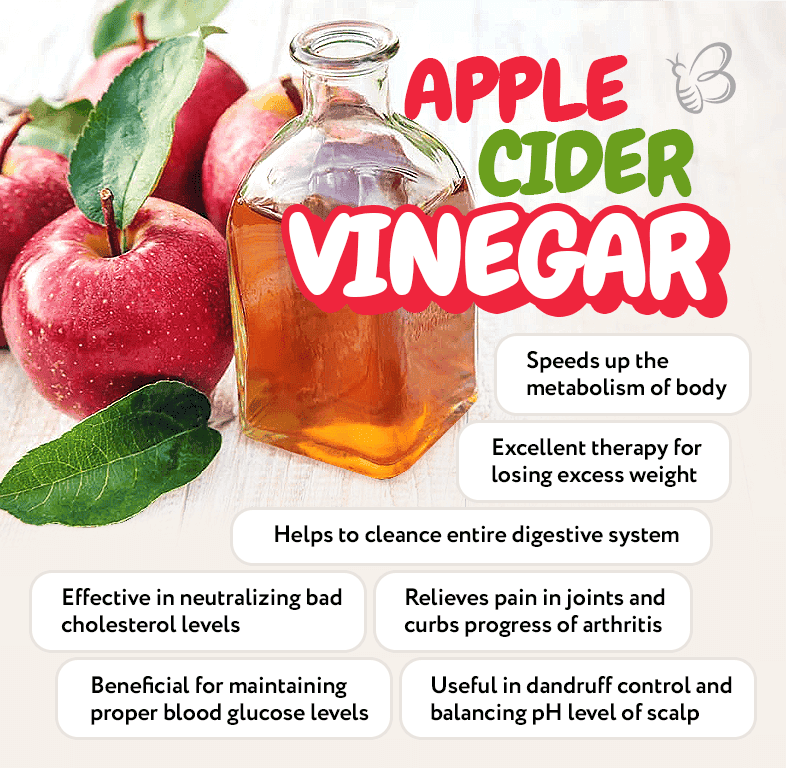
How Long Does Store-Bought Apple Cider Vinegar Last?
Store-bought apple cider vinegar lasts up to five years if unopened bottle stored in a dark place and cool pantry.
What Does Apple Cider Look Like When It Goes Bad?
Apple cider can look cloudy, have more sediment, or smell weird if juice and natural sugars ferment too long.
Can Apple Cider Vinegar Go Bad?
FAQ
How can you tell if apple cider vinegar has gone bad?
How long can you use apple cider vinegar after opening?
Can bacteria grow in apple cider vinegar?
Should Braggs apple cider vinegar be refrigerated after opening?