Hey there, folks! If you’ve ever scooped a dollop of apple butter onto a warm biscuit and wondered, “Why the heck do they call it apple butter when there ain’t no butter in it?”—well, you’re in the right place I’ve been just as curious, and I’m here to spill the beans (or should I say, the apples?) on this tasty lil’ mystery Spoiler alert it’s all about that smooth, creamy texture that spreads like butter, even though it’s made purely from apples and a few magic tricks in the kitchen. Stick with me as we dive into the history, the how-to, and the heart of this fall classic that’s got us all swoonin’.
The Simple Answer: It’s All About That Butter-Like Vibe
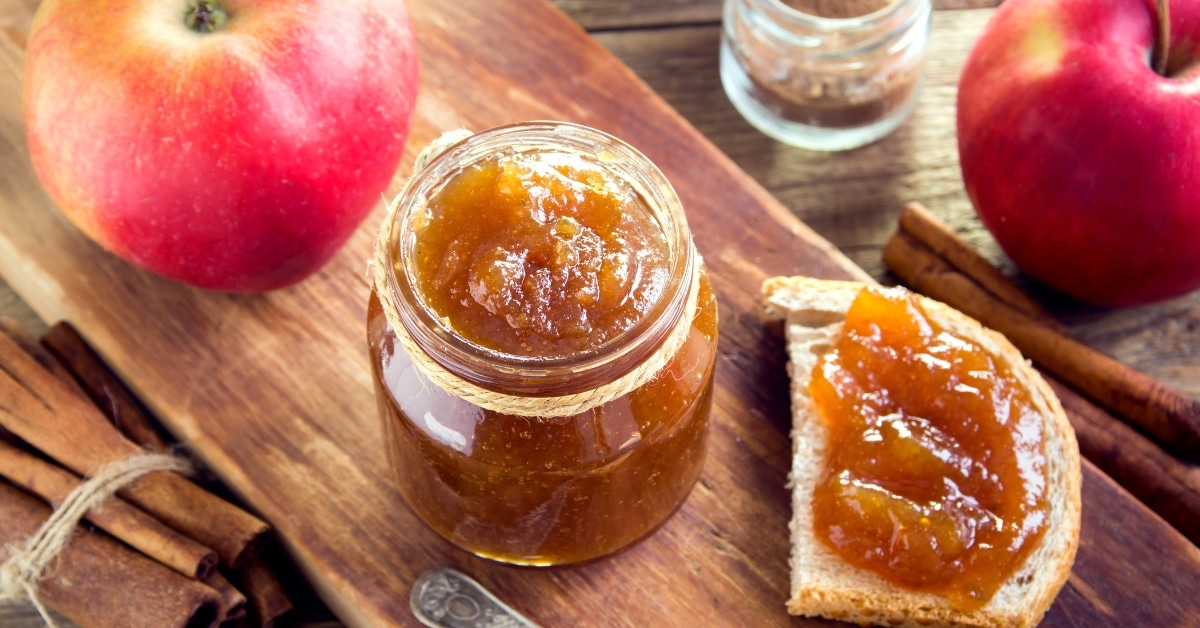
Let’s cut to the chase. Apple butter ain’t got a lick of dairy in it—no butter, no milk, nada. So why the name? It’s ‘cause after hours of slow cookin’, them apples turn into a velvety, spreadable treat that glides onto bread or biscuits just like butter does. Back in the day, folks needed a way to describe how this stuff worked as a topping, and “butter” just fit the bill. It’s rich, it’s smooth, and it’s got that decadent feel, even if it’s just fruit in disguise.
But there’s more to the story than just a clever name. The “why” behind apple butter goes deep into history, tradition, and some seriously old-school cooking skills. So, grab a cup of cider, and let’s peel back the layers of this sweet spread.
A Peek Into the Past: Where Apple Butter Got Its Start
If we’re gonna talk about why they call it apple butter, we gotta rewind the clock a bit. This stuff ain’t a modern invention—it’s been around for centuries, born outta the need to keep food from spoilin’ way before fridges were a thing. I reckon it started makin’ waves in Europe, ‘specially in places like Belgium, Germany, and the Netherlands, where they’d cook down fruit to preserve it for harsh winters. Monks in medieval times were big on this, turnin’ their orchard hauls into somethin’ that’d last.
When European settlers hauled over to America in the 17th and 18th centuries they brought these tricks with ‘em. Apples were growin’ like weeds in the New World ‘specially in areas like Appalachia, so they got to work makin’ what we now know as apple butter. The name likely stuck ‘cause it reminded folks of dairy butter—somethin’ familiar they could slather on their bread or biscuits. It wasn’t just food; it was survival, a lil’ jar of sweetness to get through the cold months.
I find it kinda cool how this name carried over through generations. It ain’t just a label—it’s a nod to how folks used to think about food, comparin’ new stuff to what they already knew. Apple butter became a shorthand for “this spreads nice and tastes rich,” and that’s why we still call it that today
The Magic of Making Apple Butter: Why the Process Matters
Now, let’s get into the nitty-gritty of why apple butter earns its name through the way it’s made. This ain’t no quick whip-up in the kitchen; it’s a labor of love that takes patience and a whole lotta time. I’ve tried my hand at it, and lemme tell ya, it’s worth every slow-cookin’ minute.
Here’s the basic rundown of how it goes down:
- Pick Your Apples: You start with a big ol’ pile of apples—usually a mix of sweet and tart ones like Fuji, Gala, or Granny Smith to get a balanced flavor. Peel ‘em, core ‘em, chop ‘em up.
- Cook ‘Em Slow: Toss those apple chunks into a pot or slow cooker with a splash of cider or water. Then, you let ‘em simmer for hours—sometimes 8 to 10 hours or more. This long cookin’ breaks down the apples into mush.
- Thicken and Sweeten: As the water cooks off, the natural sugars in the apples get all concentrated, and the pectin (that’s the stuff that makes jams jelly-like) turns it thick and smooth. You might toss in some sugar or honey, but often the apples do the sweetenin’ themselves.
- Spice It Up: Add in warm spices like cinnamon, nutmeg, or cloves to give it that cozy fall kick. Stir it ‘til it’s just right.
- Check the Texture: You know it’s done when it’s dark brown, super thick, and mounds up on a spoon without runnin’ off. Some folks test it by droppin’ a bit on a cold plate—if it holds shape, you’re golden.
This slow process is key to why they call it apple butter. That extended simmerin’ don’t just preserve the apples; it transforms ‘em into somethin’ so creamy and rich, it mimics the feel of real butter. Plus, there’s science-y stuff happenin’—like the Maillard reaction—that gives it complex flavors and that deep color. It’s like alchemy, turnin’ plain fruit into pure gold.
How It’s Different from Applesauce (And Why That Matters)
I’ve had folks ask me, “Ain’t apple butter just fancy applesauce?” Nah, not even close, though I get why you’d think that. Both start with cooked apples, but the journey and the endgame are way different, and that ties into why apple butter got its special name.
Here’s a quick comparison to clear things up:
| Aspect | Applesauce | Apple Butter |
|---|---|---|
| Cooking Time | Short—just ‘til apples are soft. | Long—hours of simmerin’ to thicken. |
| Texture | Smooth but kinda watery, more liquidy. | Thick, creamy, spreadable like butter. |
| Flavor | Mild, often unsweetened. | Rich, intense, spiced up for depth. |
| Color | Light, golden usually. | Dark, caramel brown from long cookin’. |
| Use | Side dish or snack on its own. | Spread for bread, fillin’ for pies. |
See, applesauce is like the quick cousin—cook, mash, done. Apple butter, though? It’s the slow-and-steady sibling that gets cooked down ‘til it’s a whole new beast. That thick, spreadable nature is what earned it the “butter” tag, ‘cause it’s used in ways applesauce just can’t match.
A Cultural Gem: Apple Butter in Our Hearts and Homes
One thing I love about apple butter is how it’s more than just a spread—it’s a piece of culture, ‘specially in places like the American South or Appalachia. Back in the day, makin’ apple butter was a family affair. Whole communities would gather in the fall, after the apple harvest, to cook huge batches in giant copper kettles over open fires. Everyone took turns stirrin’ with big paddles, makin’ it a social event as much as a chore.
Even now, there’s festivals all over celebratin’ this stuff. Think small-town vibes with folks cookin’ it on-site, sharin’ recipes, and just enjoyin’ the autumn air. It’s a tradition that keeps the name “apple butter” alive, remindin’ us of its roots as a communal, hearty food. I reckon that’s part of why we still call it that—it’s tied to nostalgia, to simpler times when food brought people together.
In some spots, like the Netherlands, they got their own version called “appelstroop,” which is more syrupy but still used as a spread. And in other places, they might mix in pears or even toss in oddball ingredients like licorice. But the core idea stays the same: it’s a fruit spread so smooth and rich, “butter” just feels right.
Why “Butter” Fits Better Than Any Other Word
Let’s chew on this for a sec—why not call it “apple spread” or “apple jam”? I think it’s ‘cause “butter” carries a certain feelin’. Jam and jelly got their own vibes—jelly’s clear and wobbly, jam’s chunky with fruit bits. But butter? That word screams smooth, rich, somethin’ you slather on thick. When folks first named apple butter, they picked a word that painted a picture of how to use it and how it felt on the palate.
Plus, back when language was formin’ around food, “butter” had roots in old Germanic words meanin’ “to smear” or “spread.” So, it ain’t just about dairy; it’s about the action, the experience. Apple butter fits that to a T, and I can’t imagine callin’ it nothin’ else.
Versatility on a Plate: How We Use Apple Butter Today
Speakin’ of spreadin’, let’s talk about all the ways we can enjoy apple butter now. This stuff ain’t just for toast, though that’s a classic for a reason. I’ve used it in a buncha ways, and I bet you’ll wanna try some of these too:
- Breakfast Bliss: Slather it on biscuits, pancakes, or waffles for a sweet start to your day. It’s like a hug in food form.
- Bakin’ Buddy: Use it as a fillin’ in pies, pastries, or even swirled into cakes for a fruity kick.
- Savory Twist: Glaze meats like pork or ham with it—trust me, the sweet-spicy combo is a game-changer.
- Snack Attack: Pair it with cheese on crackers for a quick bite. Sharp cheddar and apple butter? Chef’s kiss.
- Sauce It Up: Mix it into marinades or sauces for a unique flavor boost.
Its versatility is another reason the “butter” name sticks. Like real butter, it’s a multi-tool in the kitchen, poppin’ up everywhere from sweet to savory. I’ve even seen folks use it as a healthier swap for oil or shortening in bakin’, ‘specially for vegan recipes. How cool is that?
Wanna Make Your Own? A Quick Guide to Apple Butter
If all this talk got you itchin’ to make some apple butter yourself, I gotcha covered. It ain’t hard, just takes time, and the smell of it cookin’ will make your house feel like a fall wonderland. Here’s my go-to method, keepin’ it simple:
- Gather Your Stuff: Grab about 5-6 pounds of apples (mix varieties like Honeycrisp and Granny Smith for best taste), some cinnamon, a pinch of cloves, maybe nutmeg, and a bit of sugar or honey if ya want extra sweetness.
- Prep the Apples: Peel, core, and chop ‘em into small chunks. Don’t worry if it’s a lil’ messy—ain’t no one judgin’.
- Slow Cook Magic: Dump the apples into a slow cooker or big pot. Add a half-cup of water or apple cider to keep things from stickin’. Set it on low and let it go for 8-10 hours in the cooker, stirrin’ now and then.
- Spice and Blend: Once it’s mushy, toss in your spices—start with a teaspoon of cinnamon and go from there. Use a blender or immersion stick to smooth it out if you like it silky.
- Test and Store: When it’s thick and dark, test it on a spoon or cold plate. If it holds up, you’re done! Jar it up while hot if you’re cannin’, or cool it and fridge it for a couple weeks.
Pro tip: makin’ apple butter is forgiving. If it’s too thin, cook it longer. Too sweet? Add a splash of vinegar for balance. Play with it ‘til it’s your kinda perfect.
What Apples Work Best? A Handy List
Not all apples are created equal when it comes to apple butter. Some break down better, some got the right sweet-tart mix. Here’s my picks for the best ones to use:
- McIntosh: Soft and creamy, breaks down easy.
- Granny Smith: Tart at first, but sweetens up when cooked—great for balance.
- Fuji: Sweet and juicy, adds a nice depth.
- Honeycrisp: Sweet with a lil’ tart, holds flavor well.
- Gala: Mild and sweet, blends nice with stronger apples.
I usually mix a couple kinds—maybe half Granny Smith for zing and half Fuji for sweetness. Experimentin’ is half the fun, so don’t be shy to try what’s local to ya.
Is Apple Butter Good for Ya? Let’s Break It Down
I gotta be real—apple butter ain’t exactly a superfood, but it’s got some perks if you don’t overdo it. Since it’s just apples at its core, you’re gettin’ a bit of fiber and antioxidants, and there’s no fat in sight. But, dependin’ on the recipe, it can pack a sugar punch, ‘specially if extra sweeteners are tossed in.
If you’re watchin’ your sugar, make it yourself with no added stuff—apples are plenty sweet on their own. Or look for no-sugar-added jars at the store. Moderation’s the name of the game, ‘cause while it’s healthier than some spreads, it’s still a treat. I like to think of it as a lil’ indulgence that ain’t too guilty.
Keepin’ It Fresh: Storage Tips for Apple Butter
Once you got your apple butter, you wanna keep it good as long as possible. If you’re cannin’ it proper with a boiling water bath, it can sit in a cool, dark spot for up to two years. That’s right, two whole years of apple-y goodness waitin’ for ya.
Once ya crack open a jar, though, pop it in the fridge and use it within a week or two. Don’t wanna risk any funky stuff growin’. You can also freeze it—cool it down, put it in freezer-safe containers with a bit of room at the top for expansion, and it’ll keep for about six months. I’ve frozen batches before, and it’s a lifesaver when I’m cravin’ a taste of fall in the dead of summer.
Wrappin’ Up: The Sweet Legacy of Apple Butter
So, why do they call it apple butter? It’s simple yet kinda poetic—it’s named for that buttery-smooth texture and the way it spreads like a dream, even though it’s all apples, no dairy. But dig deeper, and it’s a name steeped in history, from old European preservation tricks to American frontier life, where it became a staple of survival and community. The long, slow cookin’ process turns humble fruit into somethin’ luxurious, earnin’ it a title that’s stuck for centuries.
The Secret Tip To Make PERFECT Apple Butter EVERY SINGLE TIME! #cooking #apples #country
FAQ
Why is it called apple butter and not apple jam?
Apple butter is called “butter” due to its extremely smooth, creamy, and spreadable texture, similar to dairy butter, rather than the presence of any dairy ingredients. It’s made by slowly cooking whole apples, then straining the skins and seeds to create a concentrated purée that’s simmered further with sugar and spices until it reaches a rich, buttery consistency. The long cooking process and puréed fruit result in a product distinct from jam, which typically contains chunks of fruit.
What is the origin of apple butter?
Is apple butter basically applesauce?
Apple butter is essentially a concentrated, thicker, and richer version of applesauce that has been cooked for a much longer time, allowing it to caramelize and develop a darker color and more intense, spicy flavor. Applesauce is a softer, more liquid, and less intensely flavored product, while apple butter is a dense, spreadable, and caramelized “jam” with a consistency closer to butter.
What does the slang apple butter mean?
What is apple butter?
Apple butter (Dutch: appelstroop) is a highly concentrated form of apple sauce produced by long, slow cooking of apples with apple juice or water to a point where the sugar in the apples caramelizes, turning the apple butter a deep brown. The concentration of sugar gives apple butter a much longer shelf life as a preserve than apple sauce.
What is apple butter made of?
Contrary to its name, there is no butter involved in the making of apple butter. The fruity spread, which is essentially highly concentrated applesauce, is made by cooking apples with spices (like cinnamon and cloves) or ciders until the sugars are caramelized. This process leaves you with a thick, brown, rich, and powerfully apple-flavored spread.
Where did apple butter come from?
Apple butter was brought over to colonial America by the Germans who settled in Pennsylvania, and who became known as the Pennsylvania Dutch. Apple butter is considered one of the seven sweets and seven sours traditionally served at Pennsylvania Dutch dinners.
What is the difference between apple butter and apple butter?
They’re both similarly flavored, and made by cooking apples with spices and some sugar until tender. But where apple butter differs is that instead of stopping when it’s nice and saucy, you continue to cook it down until it becomes darker in color, more concentrated, thick, and glossy. WHAT DO YOU DO WITH APPLE BUTTER?
What spices are apple butter flavored with?
Apple butter is usually flavored with cinnamon, cloves, nutmeg, or a handful of other ‘warming spices’. The only difference in the cooking process is that apple butter is milled, pureed, or finely chopped and then cooked for a longer period of time, which gets out more water and allows it to caramelize.
What is the difference between applesauce and apple butter?
While applesauce is soft and mushy, apple butter has a rich, spreadable texture that’s somewhere between jam and peanut butter. Also, the sugars in apple butter are more concentrated than applesauce. This gives the spread a longer shelf life than the sauce. Read more: What’s the Difference Between Applesauce and Apple Butter?