
Hey there folks! If you’ve ever stood in your kitchen, bottle of apple cider vinegar (ACV) in hand wonderin’ if it needs a spot in the fridge or can chill on the shelf, you ain’t alone. At our lil’ corner of the internet, we get this question a ton. So, let’s cut straight to the chase you don’t gotta refrigerate apple cider vinegar, even after openin’ it. Yup, this tangy stuff is tough as nails and can hang out in your pantry or cabinet, no cold storage required. But, there’s a whole lotta more to unpack about keepin’ it fresh and tasty, so stick with me as we dive deep into the world of ACV storage, quality, and some neat tricks to make the most of it.
Why Apple Cider Vinegar Don’t Need the Fridge
First off, let’s talk about why ACV is such a hardy lil’ ingredient. This stuff is made from fermented apples, and during that process, it packs a punch with about 5-6% acetic acid. That acid is like a bouncer at a club—it keeps out nasty bacteria, mold, and other baddies that’d spoil most foods. That’s why, whether your bottle is sealed tight or you’ve popped it open, it’s shelf-stable and safe to store at room temp.
Now, I’ve been usin’ ACV for years, and I’ve never once had it go bad on me just sittin’ in the cupboard. The acidity is its superpower, makin’ it a natural preservative. So, unless you’re livin’ in a super hot spot where your kitchen feels like a sauna, you can skip the fridge space for somethin’ else, like your leftover pizza.
Best Ways to Store Your Apple Cider Vinegar
Even though ACV don’t need refrigeration, how you store it still matters if you wanna keep that sharp, tangy kick for as long as possible Here’s the lowdown on keepin’ it in tip-top shape
- Stick it in a Cool, Dark Spot: Heat and sunlight are the enemies here. They can mess with the flavor over time, makin’ it less punchy. So, tuck your bottle into a pantry or cabinet, far from the stove or a sunny window.
- Use Glass or Plastic Containers: If you’re pourin’ it into a different container (maybe for easy access), go for glass or plastic. Metal can react with the acid and give it a weird taste. I keep mine in the original glass bottle, and it’s all good.
- Seal It Tight, Yo: Always pop the lid back on tight after usin’ it. Air exposure can lead to oxidation, which might dull the flavor. Plus, you don’t want dust or critters gettin’ in there.
- Don’t Dilute It Early: If you’re mixin’ ACV with water for a health drink, only do it right before you sip. Dilutin’ it long-term lowers the acidity, and it won’t keep as well.
I’ve got mine sittin’ on a shelf next to my olive oil, and it’s been there for months without a hitch. Just follow these tips, and you’ll be golden.
Does Refrigeration Make a Difference?
Okay, so we’ve established you don’t have to refrigerate apple cider vinegar, but should ya? Some folks do chuck it in the fridge, and that’s fine if it’s your vibe. Let’s break down what happens if you do:
- Flavor Stays Fresher Longer: Chillin’ it can slow down any tiny fermentation bits still happenin’ in the bottle, keepin’ the taste more consistent. Some peeps swear it tastes crisper cold, especially in drinks or dressings.
- Might Get Some Sediment: If your ACV is unfiltered (the kind with the “mother”—that cloudy, stringy stuff), refrigeration can make more of that gunk settle at the bottom. It’s harmless, just looks a bit funky.
- Good for Hot Climates: If your kitchen gets crazy hot in summer, poppin’ it in the fridge can protect it from temp swings that might mess with the quality.
I’ve tried both ways, and honestly, I don’t notice a huge diff unless I’m usin’ it straight in a cold salad Most times, room temp works just fine for me But if you like it chilled or live somewhere toasty, go for it. Just know it’s more about preference than necessity.
How Long Does Apple Cider Vinegar Last?
One of the coolest things about ACV is how long it sticks around without goin’ south. Here’s a quick peek at its shelf life, based on whether it’s opened or not and the type you’ve got:
| Type of ACV | Shelf Life (Unopened) | Shelf Life (Opened) |
|---|---|---|
| Filtered (Clear) | Indefinitely | 3-5 years |
| Unfiltered (with Mother) | Indefinitely | 2-3 years |
Even past these times, it’s usually still safe to use—it just might not taste as zesty. I’ve got a bottle I’ve been nursin’ for over a year, and it’s still got that bite I love for marinades. The key is storin’ it right, like we talked about. Unopened? Heck, it can sit there forever without a care in the world.
How to Tell If Your ACV Ain’t Good No More
Now, while ACV don’t “spoil” like milk or meat, it can lose its oomph or pick up some off vibes over time. Here’s how to check if it’s past its prime:
- Look at It: If it’s super cloudy (beyond the usual “mother” stuff in unfiltered kinds) or you spot weird floaties or mold, somethin’s up. A lil’ sediment is normal, but anything lookin’ suspicious means it’s time to toss.
- Sniff Test: It should smell sharp and sour, like, well, vinegar. If it’s got a funky, off-puttin’ whiff—kinda like somethin’ died in there—ditch it.
- Taste a Tiny Bit: Give it a quick sip. If the tang is gone or it tastes rancid, it ain’t worth keepin’. I’ve had one go flat on me after sittin’ too long near a hot window, and it just wasn’t the same.
Truth be told, it’s rare for ACV to go bad enough to make ya sick, thanks to that acid shield. But if it don’t taste right, why risk ruinin’ your recipe? Grab a fresh bottle and move on.
Does Temperature Mess with the Flavor?
Here’s a tidbit I’ve noticed over the years—temperature can tweak how ACV hits your taste buds. When it’s at room temp, that tangy sharpness comes through loud and clear, almost like a wake-up call in your mouth. But when it’s chilled from the fridge, it mellows out a smidge, feelin’ smoother and less in-your-face. Some folks dig that softer edge for drinks or light dressings.
If you’re mixin’ it into a health tonic first thing in the mornin’, room temp might give ya that bold kick to start the day. But for a summery salad, cold ACV can be downright refreshin’. I say, play around with both and see what floats your boat. Ain’t no wrong answer here.
What If It’s Been at Room Temp Forever?
Got a bottle that’s been sittin’ on the counter for ages? Don’t sweat it too much. As long as it’s been sealed up and outta direct heat or light, it’s prolly still fine to use. That acidity keeps it safe from goin’ bad in the dangerous sense. Just give it the ol’ look-smell-taste check we mentioned. If it passes, you’re good to go.
I’ve left mine out for months, even in a warm kitchen, and it’s never done me wrong. But if the flavor’s off, I’d use it for somethin’ where taste don’t matter as much—like a quick marinade or even cleanin’ hacks (more on that later). Better safe than sorry with raw stuff like dressings.
The “Mother” Mystery: What’s That Stuff?
If you’ve got unfiltered ACV, you mighta noticed some weird, stringy gunk at the bottom. That’s called the “mother,” and it’s just a natural byproduct of fermentation—think proteins, enzymes, and good bacteria hangin’ out. Lotsa peeps think it’s where the health perks hide, so it’s a bonus, not a bug.
Now, storin’ it in the fridge might make more of this settle, but it’s totally harmless. Shake the bottle if ya wanna mix it back in, or leave it be. I’ve got a friend who freaks out seein’ it, but I tell ‘em it’s like the soul of the vinegar. No biggie.
Cool Uses for Apple Cider Vinegar (Even Old Stuff)
ACV ain’t just for sippin’ or cookin’—it’s a multi-tasker in my house. Here’s some ways we use it, even if a bottle’s been around a while:
- Salad Dressings: Mix a splash with olive oil, a dab of mustard, and some salt ‘n’ pepper for a quick vinaigrette. It’s my go-to for greens.
- Marinades: That acid tenderizes meat like nobody’s business. I soak chicken in it with some herbs, and it’s juicy as heck.
- Health Tonics: A spoonful in water first thing in the mornin’ is said to help with digestion and blood sugar. I’ve been doin’ it for a while, and it’s a solid wake-up ritual.
- Picklin’ Veggies: Use it to preserve cukes or carrots for a tangy snack. My granny taught me this, and it’s still a fam fave.
- Cleanin’ Hack: If the flavor’s gone south but it’s still safe, mix with water for a natural cleaner. It cuts grease on counters like magic. I’ve used old bottles to scrub down my stove, and it works a charm.
Even if your ACV ain’t perfect for eatin’ anymore, don’t just chuck it. Repurpose it for somethin’ useful around the house.
Quality Check: Fridge vs. Shelf
Wonderin’ if there’s a real diff between keepin’ ACV in the fridge versus on the shelf? Honestly, it’s subtle at best. Fridge storage might keep the flavor a tad fresher over super long periods, ‘cause it slows down any tiny changes from fermentation or air exposure. Plus, it can stop texture shifts if you’re worried about extra “mother” formin’.
But, if you store it right on the shelf—in that cool, dark spot with the lid on tight—the difference ain’t gonna blow your mind, especially in the first year or two. I’ve kept bottles both ways, and unless you’re a total flavor nerd, you won’t notice much. It’s more about how ya use it and what feels handy for your kitchen setup.
Wrappin’ It Up: Store It Your Way
So, should I refrigerate apple cider vinegar? Nah, you don’t have to. This stuff is built to last at room temp, thanks to its acid armor. Keep it in a cool, dark place, seal it up good, and it’ll be your kitchen buddy for years. If you like it cold or live in a hot zone, the fridge is cool too—just don’t expect miracles in quality. Check it now and then for funky smells or tastes, but chances are, it’ll outlast most stuff in your pantry.
We’ve covered the why, the how, and even some bonus ways to use ACV at our place. Whether you’re splashin’ it on salads, mixin’ a health drink, or cleanin’ up a storm, knowin’ how to store it means you’re gettin’ the most bang for your buck. Got a bottle sittin’ around? Go give it a peek and make sure it’s livin’ its best life. And hey, drop us a comment if you’ve got your own ACV hacks—we’re all ears!
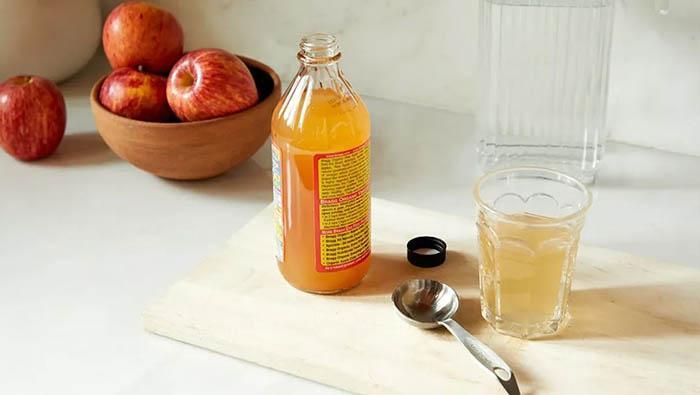
Should you refrigerate apple cider vinegar after opening?
FAQ
Does apple cider vinegar need to be in the fridge?
Apple cider vinegar is shelf-stable and should be stored in a cool, dry, and dark place, away from direct sunlight. For proper storage, be sure to keep the bottle tightly sealed, to avoid exposure to oxygen and any contaminants like splattering food or dust which could compromise the quality of the vinegar.Jan 11, 2023
Does apple cider need to be refrigerated after opening?
How you store apple cider and for how long will greatly impact how long apple cider lasts. The shelf life for unpasteurized apple cider is about two or three days and must be refrigerated at all times.
Does Braggs apple cider vinegar need to be refrigerated?
No, it does not need to be refrigerated.
Should vinegar be refrigerated after opening?
Vinegar does not need to be refrigerated. It is naturally acidic, which helps to preserve it and prevent the growth of harmful bacteria. You can store vinegar at room temperature in a cool, dark place, like a pantry or cupboard.
Does apple cider vinegar need to be refrigerated?
Apple cider vinegar’s high acid content makes it an excellent preservative. This natural acidity inhibits the growth of bacteria, molds, and yeast. As a result, apple cider vinegar does not necessarily require refrigeration. Should You Refrigerate? The decision to refrigerate apple cider vinegar often comes down to personal preference and usage.
Does apple cider vinegar lose its health benefits if refrigerated?
No, raw apple cider vinegar does not lose its health benefits when refrigerated. The essential nutrients, probiotics, and enzymes remain intact regardless of temperature. The longevity of these beneficial properties will still be mostly preserved as long as the vinegar is properly sealed and stored away from direct light.
Can apple cider vinegar be stored at room temperature?
A cold vinegar can deliver a refreshing taste to certain dishes. Shelf Stability: Due to its high acidity, undiluted apple cider vinegar remains stable at room temperature and does not spoil. In fact, it can last indefinitely if stored correctly. Ease of Use: Having the vinegar at room temperature makes it readily accessible for daily use.
Can apple cider vinegar dressing be refrigerated?
You can store homemade apple cider vinegar dressing for up to 2 weeks in the refrigerator. Technically you could store at room temperature, but because of the Dijon mustard in the dressing we suggest refrigerating it. Tip: Make sure to bring refrigerated dressing to room temperature before serving! The oil solidifies in the refrigerator.
Can you use raw apple cider vinegar for cooking?
Yes, you can absolutely use raw apple cider vinegar for cooking even if it has been refrigerated. The flavor and acidity of the vinegar remain largely unchanged regardless of whether it’s stored in the fridge or at room temperature. When used in recipes, it can still effectively enhance dishes, dressings, and marinades.
How do you store apple cider vinegar?
Store your raw apple cider vinegar in a cabinet or pantry away from direct sunlight. UV rays can degrade the quality of the vinegar over time. 2. Use a Proper Container While glass bottles are the best choice for storage, if you happen to have the vinegar in a plastic container, it’s advisable to transfer it to glass.