
Hey there, fellow DIY enthusiasts! If you’ve ever dreamed of sipping on a glass of somethin’ you made with your own two hands, let me tell ya, apple wine is where it’s at. I still remember my first batch—man, I botched it so bad, I nearly turned my kitchen into a vinegar factory! But after a few tries, I’ve got this down to a science (well, sorta), and I’m stoked to walk you through how to make apple wine with fresh apples. It’s easier than you think, super rewarding, and heck, it’s a great way to use up that mountain of apples you picked or nabbed from a neighbor’s tree.
We’re gonna dive deep into turnin’ those crisp, juicy apples into a refreshing, boozy delight right from your own crib. Whether you’re a total newbie or a seasoned home brewer, I’ve got your back with a step-by-step guide that’s clear as day. So, grab a mug of coffee (or a leftover apple, ha!), and let’s get this funky apple magic started!
Why Make Apple Wine? It’s the Bee’s Knees!
Before we get to the nitty-gritty, let’s chat about why apple wine is worth your time. First off, it’s dirt cheap compared to buyin’ fancy bottles at the store. For just a few bucks in ingredients, you can whip up enough to fill a handful of bottles—way less than shellin’ out $15 a pop for craft stuff. Plus, you’ve got total control over the flavor. Want it sweet as pie? Crank up the sugar. Prefer a tart kick? Use granny smiths or mix in some wild apples. It’s your show, buddy!
There’s also somethin’ real special about the whole hands-on vibe. Turnin’ fresh apples into wine feels like a lil’ act of rebellion against mass-produced junk. It’s like preservin’ a slice of autumn in a bottle, connectin’ you to old-school ways of makin’ do with what’s around. And when you pop that cork months later and share it with pals, the pride? Unbeatable. Trust me, nothin’ beats sayin’, “Yeah, I made this myself.”
What You’ll Need to Get Rollin’
Alright, let’s gather up the gear and goodies for this adventure Don’t worry, you don’t need no fancy winery setup—just some basic stuff you might already have kickin’ around or can snag on the cheap I’ve put together a lil’ table below to keep things tidy, and I’ll break it down after.
| Item | Purpose | Approx. Cost (if buyin’ new) |
|---|---|---|
| Fresh Apples (12-15 lbs) | Main ingredient for juice/flavor | Free if foraged, $5-10 if bought |
| Granulated Sugar (2-3 lbs) | Feeds the yeast, boosts alcohol | $2-3 |
| Wine Yeast (like Lalvin EC-1118) | Turns sugar into booze | $1-2 per packet |
| Big Food-Grade Bucket | Primary fermentation vessel | $10-15 |
| Glass Carboy or Jug (1-5 gallon) | Secondary fermentation | $15-30 |
| Airlock & Rubber Stopper | Lets gas out, keeps bugs out | $3-5 |
| Siphon Tubing | Transfers wine without sediment | $5 |
| Sanitizer (like Star San) | Keeps everything germ-free | $5-10 |
| Wine Bottles & Corks | For storin’ your final masterpiece | $10-20 for a dozen |
| Corker (handheld or lever) | Seals bottles tight | $10-20 |
- Fresh Apples: The star of the show! Go for 12-15 pounds if you’re makin’ a gallon batch. I love mixin’ sweet ones like Fuji or Gala with tart ones like Granny Smith for a balanced sip. If you can forage windfalls—those apples that drop naturally—they’re often perfect and free. Just wash ‘em good and cut out any nasty bits.
- Sugar: Around 2-3 pounds per gallon. This ain’t just for sweetness; it’s food for the yeast to crank out alcohol. Adjust based on how strong or sweet you want it.
- Wine Yeast: Don’t skimp here. Grab a proper wine yeast from a brew shop or online. It’s like $2 and makes all the difference over usin’ bread yeast, which can taste weird.
- Gear: You need a big bucket for the first messy fermentation, a glass jug for the later clearin’ stage, and an airlock to keep things safe while lettin’ gas escape. Siphon tubing is your best pal for movin’ liquid without stirrin’ up gunk. And sanitize everything—trust me, I learned the hard way that a dirty spoon can ruin a whole batch with funky flavors.
- Bottles & Corks: Save old wine bottles if you’ve got ‘em, or buy a cheap set. A corker tool helps seal ‘em up nice and tight.
Pro tip Check local brew shops or even garage sales for used gear I snagged my first carboy for a fiver from a guy who gave up on brewin’ Just make sure it’s clean and food-safe before usin’ it!
How to Make Apple Wine with Fresh Apples: Step-by-Step
Now, let’s get down to business I’m gonna walk ya through the whole shebang, from apple to bottle Follow these steps, take your time, and you’ll be sippin’ your own creation in a few months. Here we go!
1. Prep Them Apples Like a Pro
Start with your haul of fresh apples. Wash ‘em good to get rid of dirt or critters, especially if they’re foraged. No need to peel or core ‘em—honest, the skins add flavor and the seeds give a lil’ somethin’ extra to the mix. Just chop out any bruised or rotten spots. Cut ‘em into quarters or smaller chunks.
Next, you gotta extract that juice. If you’ve got a juicer or fruit press, awesome—use it! If not, no sweat. Toss the chunks into a big pot or bucket and mash ‘em with a clean potato masher or even a sturdy stick. I’ve even frozen my apples overnight then thawed ‘em to make mashin’ easier; the ice breaks down the cells, lettin’ juice flow like a river. Aim for a pulpy mess—you’ll need about a gallon of juice for a small batch. If it’s a bit short, don’t panic; we’ll top it up later.
2. Mix in the Sweet Stuff and Get It Ready
Pour that apple mush or juice into your sanitized bucket. Now, dissolve 2-3 pounds of sugar in a bit of warm water—don’t boil it, just warm enough to melt the grains—and mix it into the apple goo. Stir like you mean it till it’s all blended. The sugar’s gonna feed the yeast later, so more sugar means stronger wine, but don’t overdo it unless you want rocket fuel!
At this point, I like to taste a tiny bit. If it feels too blah, I might toss in a squeeze of lemon juice for zing. Some folks add extras like a handful of chopped raisins for depth or a pinch of tannin if they’ve got it, but that’s optional for your first go. Keep it simple, ya know?
3. Sanitize and Set the Stage for Yeast
Here’s where you gotta be a clean freak. Sanitize every dang thing—bucket, spoons, hands, whatever touches the mix. A quick rinse with a brew-safe sanitizer does the trick. Why? ‘Cause wild germs or rogue yeast can turn your wine into vinegar or worse. I’ve lost a batch to laziness before, and it ain’t pretty.
Some peeps use a lil’ trick to kill off wild yeasts on the apples: crush a Campden tablet (it’s a sanitizer thingy) per gallon of juice, mix it in, and let it sit covered with a clean cloth for 24 hours. This wipes out bad bugs but won’t hurt the good yeast you’ll add later. I’ve skipped this sometimes with no issue, but if you’re nervous, it’s a safe bet.
4. Add the Yeast and Kick Off the Party
After waitin’ (if you used the tablet), it’s time for the magic maker: wine yeast. Grab a packet of somethin’ like Lalvin EC-1118—it’s tough and works great for fruit wines. Follow the packet instructions, usually mixin’ it with a bit of lukewarm water to wake it up, then sprinkle or pour it into your apple mix. Give it a gentle stir.
Slap a lid on your bucket, but make sure it’s got an airlock or at least a loose fit with a cloth over it. This lets gas escape without lettin’ bugs in. Stash it somewhere warm, around 65-75°F. I keep mine in a corner of the kitchen near a heater in fall. Within a day or two, you should see bubblin’ and hear a faint fizz. That’s the yeast eatin’ sugar and turnin’ it into alcohol. Heck yeah, it’s alive!
5. Primary Fermentation: Let It Bubble Away
For the next 5-10 days, this is the wild stage. Your mix will foam and bubble like crazy as the yeast does its thing. Stir it once a day with a sanitized spoon to keep it aerated and happy. Don’t skip this—oxygen helps early on. You’ll smell apples and a boozy whiff, which is totally normal.
When the bubblin’ slows down a lot—usually after a week or so—it’s time to move on. If it’s still goin’ nuts, give it a few more days. Patience is your pal here. I’ve rushed this step before and ended up with a mess, so don’t be like past me!
6. Secondary Fermentation: Clearin’ Things Up
Now, grab that sanitized siphon tube and carefully transfer the liquid into a glass carboy or jug, leavin’ behind as much gunky sediment as you can. This is called rackin’, and it helps your wine clear up. Top it off to within a couple inches of the neck—if you’re short, add a bit of water or apple juice, but not too much.
Pop an airlock on top, filled with a lil’ water or sanitizer to keep it sealed. Store this jug in a cool, dark spot—think basement or closet—away from sunlight. Here, the fermentation slows down over 3-6 months. You’ll see bubbles in the airlock for a while, then nothin’. The wine will start lookin’ clearer as junk settles to the bottom. Don’t shake it or you’ll stir up the muck!
7. Bottlin’ Your Liquid Gold
Once the wine’s clear and ain’t bubbled in the airlock for at least two weeks, it’s bottlin’ time—usually after 3-6 months. Sanitize your bottles, corks, and siphon gear again. Siphon the wine into the bottles, avoidin’ the sediment at the bottom of the jug. Leave a lil’ headspace at the top, then cork ‘em tight with a corker tool. I’ve fumbled this and popped corks early, so take it slow.
Store the bottles upright for a few days, then lay ‘em on their sides in a cool, dark place if you wanna age ‘em more. You can sip it now, but givin’ it another few months—or even a year—makes it smoother and tastier. I’ve got bottles I’ve held onto for three years, and man, the depth is unreal!
Tips and Tricks for Killer Apple Wine
I’ve picked up a bunch of nuggets over the years, so here’s some extra juice to make your batch shine:
- Mix Them Apples: Don’t just use one type. Blend sweet, tart, and crisp varieties for a complex flavor. If you’ve got access to wild or windfall apples, toss some in for character—just wash ‘em good.
- Patience, Grasshopper: I know it’s temptin’ to crack a bottle early, but waitin’ longer really mellows it out. Six months is bare minimum; aim for a year if you can hold off.
- Keep It Clean: I can’t stress this enough—sanitize everythin’! One dirty utensil can spoil the whole lot with off tastes. I’ve cried over ruined batches, so don’t skip this.
- Spice It Up: Wanna get fancy? Throw a cinnamon stick or a few cloves into the secondary jug for a warm, cozy vibe. It’s like fall in a glass.
- Test the Strength: If you’ve got a hydrometer (a lil’ gadget for measurin’ sugar and alcohol), use it to check how strong it’ll be. More sugar early on means higher booze content, sometimes up to 14% or more!
Servin’ and Sippin’ Ideas
When your apple wine’s ready, it’s a versatile lil’ drink. Chill it in the fridge for a crisp, refreshin’ treat—pairs awesome with roasted nuts or a hearty autumn stew. If it’s winter, warm a glass with some cinnamon and nutmeg for a mulled version that’ll warm your bones. I’ve served it at holiday parties, and folks go nuts for it, especially when I tell ‘em I made it from scratch.
Store any unopened bottles in a cool, dark spot for up to a year or more. The flavor just keeps gettin’ better with time, so don’t feel rushed to drink it all at once. I’ve got a stash I’m savin’ for special occasions, and it’s like a lil’ treasure chest of homemade goodness.
Troubleshootin’ Common Hiccups
Even with the best plans, stuff can go sideways. Here’s how to fix some common oopsies I’ve run into:
- Fermentation Won’t Start: If nothin’s happenin’ after 48 hours, check the temp—too cold (below 65°F) stalls it. Warm it up a bit. If that don’t work, your yeast might be a dud. Mix a new packet with some juice and sugar in a cup, wait for foam, then add it in.
- Cloudy as Heck: Apple wine can stay murky due to pectin in the fruit. Give it more time—sometimes a couple extra months clears it. If not, some brew shops sell stuff like pectic enzyme to help, even late in the game.
- Weird Smells or Tastes: If it smells like vinegar or bandaids, you’ve likely got a germ issue. Sanitation’s key for next time. Minor off notes might fade with aging, but if it’s real bad, it might be a lost cause. I’ve dumped batches that tasted like regret, sadly.
- Too Sweet or Too Dry: If it ain’t your style, adjust next batch’s sugar. For now, too dry? Mix in a lil’ simple syrup after stabilizin’ so it don’t referment. Too sweet? Blend with a drier wine or just age it longer to balance out.
Why Fresh Apples Make All the Difference
I gotta say, usin’ fresh apples over store-bought juice is where the real soul of this wine comes from. You get to pick the varieties, control the freshness, and there’s just somethin’ raw and honest about mashin’ up fruit you’ve touched and chosen. Juice from the store works in a pinch, sure, but it often got preservatives that can mess with fermentation, and the flavor? Kinda flat compared to the real deal. Plus, fresh apples let you feel like a proper homesteader, turnin’ nature’s bounty into your own brew.
If you’re lucky enough to live near orchards or got trees in your yard, autumn’s the time to strike. I’ve spent crisp mornings gatherin’ windfalls with friends, laughin’ over the weird-shaped ones, and it makes the whole process feel like a lil’ celebration. Even if you buy ‘em, head to a farmer’s market for the freshest pick—your wine will thank ya for it.
Experiment and Make It Yours
One of the coolest things about makin’ apple wine is how you can tweak it to fit your vibe. After my first few batches, I started playin’ around. One time, I tossed in a handful of blackberries with the apples for a wild color and fruity punch. Another batch, I swapped some sugar for honey, givin’ it a floral depth that blew my mind. You can even try oak chips if you wanna mimic fancy barrel-aged wines—adds a vanilla hint that’s just lush.
Don’t be scared to mess up neither. Every batch teaches ya somethin’. I’ve had wines turn out too strong, too sweet, or just plain odd, but each flub made the next one better. Keep notes if you’re the organized type—scribble down what apples you used, how much sugar, how long it aged—so you can nail your perfect recipe over time.
Join the Home Brew Crew
If you’re bit by the bug after this, there’s a whole world of home winemakin’ to explore. Apple wine’s a great gateway ‘cause it’s simple, cheap, and forgiving. Once you’ve got the hang of it, why not try other fruits? Pears, plums, or even rhubarb can work with the same basic steps. I’ve got a pear batch aging right now, and I’m itchin’ to see how it turns out.
Check out local brew shops or online communities for more inspo. I’ve swapped tips with folks at my town’s brew club, and it’s amazing what you learn over a pint (or a glass of homemade wine). There’s always someone with a wild idea or a fix for a problem you’re stuck on. Plus, tastin’ each other’s creations is half the fun!
Final Cheers to Your Apple Adventure
So there ya have it—everything I’ve learned about how to make apple wine with fresh apples, laid out for ya to give it a whirl. It’s a journey of patience, a sprinkle of science, and a whole lotta heart. From pickin’ or foragin’ your apples to that first glorious sip, you’re craftin’ somethin’ that’s uniquely yours. I can’t wait for you to pop that first bottle and feel the rush of “I did this!”
Got questions or run into a snag? Drop a comment below—I’m all ears and happy to help troubleshoot. And when your batch is done, lemme know how it turned out. Did ya mix in some funky flavors or stick to the basics? Whatever path you take, here’s to your apple wine adventure. Cheers, my friend!
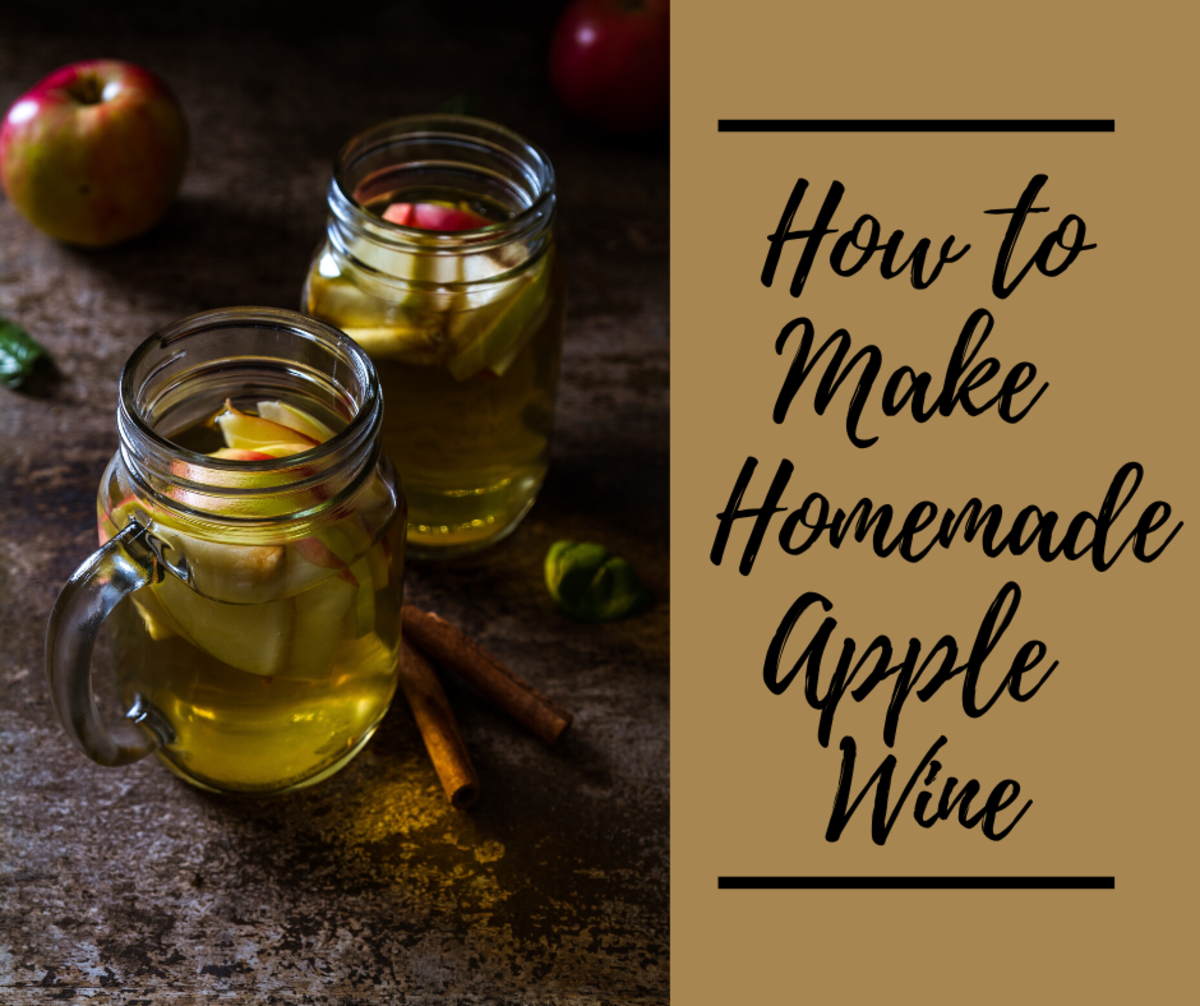
Simple Apple Wine Recipe | Make Apple Cider Wine at Home
FAQ
How many pounds of apples to make 5 gallons of wine?
How long does it take for apple wine to ferment?
Sprinkle the wine yeast over the surface of the juice and then cover with a thin, clean towel. Allow this mixture (must) to ferment for 5 to 7 days.
How much sugar to add to apple juice for wine?
With the natural sweetness of the apples, I only had to add an additional 141 g of sugar per liter. For my 14 liters of apple juice, I ended up using just 2 kg of sugar. It’s essential not to dilute the juice with water to boost wine yield; quality should always be prioritized over quantity.
Can apples be used to make wine?
Wine can be made from almost anything edible (that is, not poisonous). Many fruits like apples, berries, peaches, etc. are used to make wine.