
Knowing when a pie is done is a critical last step. From measuring oven temperature to monitoring the crust, heres what to look for when baking a pie.
Hey there, pie lovers! If you’ve ever pulled an apple pie outta the oven only to find a soggy mess or a half-raw filling, you ain’t alone. I’ve been there, trust me—nothing stinks more than slicing into a pie you thought was ready and gettin’ a runny disaster. But here’s the good news: figuring out how to know your apple pie is done ain’t as hard as it seems. We’re gonna walk through every trick in the book to make sure your pie comes out golden, flaky, and downright delicious. Let’s get straight to the good stuff—how to spot when that beauty is ready to come out of the oven.
The Big Signs Your Apple Pie Is Done: Look, Touch, and Test
When it comes to baking an apple pie you don’t need no fancy gadgets (though a thermometer helps). It’s all about usin’ your senses. Here’s the lowdown on the main ways to tell if your pie is good to go.
1. Check That Crust—Golden Brown Is the Goal
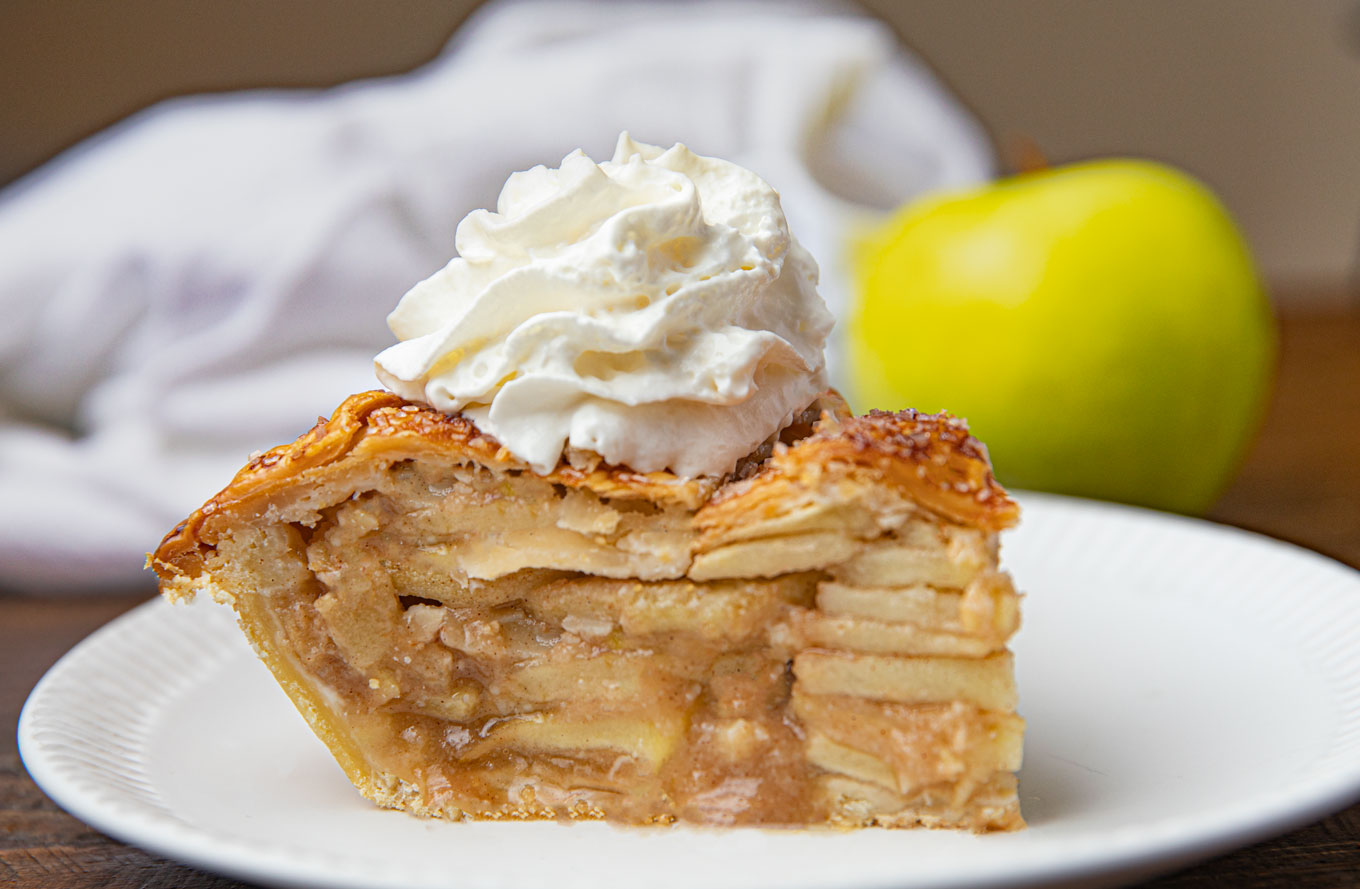
First things first, eyeball that crust. You’re lookin’ for a deep golden-brown color all over the top. Not pale, not spotty, but a rich, even shade that screams “I’m crispy and tasty!” That color means the crust has caramelized just right givin’ you that buttery flaky bite. If it’s still lookin’ like raw dough or just lightly tanned, it needs more time, buddy.
- Edges Matter Too: The edges of the crust usually brown first. If they’re nice and deep-colored, it’s a solid hint the pie is close to done.
- Don’t Be Fooled: Sometimes the top looks golden but the bottom ain’t there yet. If you can, peek at the bottom crust (glass pie dishes rock for this) to make sure it’s not pale or doughy.
2. Look for Bubblin’ Action in the Filling
Next up, check the filling through them slits or vents you cut in the top crust. You wanna see thick, vigorous bubbles poppin’ up, especially in the center. That bubbling tells ya the apples are soft and the juices have thickened into a nice, syrupy goo. If the bubbles are watery or barely there, your pie ain’t ready—give it some more oven lovin’.
- Center Is Key: Bubbling just at the edges don’t count. It’s gotta be in the middle to show the whole filling is hot enough.
- Patience, My Friend: If it ain’t bubblin’ yet, don’t panic. Just keep bakin’ and check every few minutes.
3. Feel the Firmness—Give It a Gentle Poke
Don’t be shy—gently press on that top crust with your fingertips. It should feel firm and set, not soft or wobbly. A crust that’s still doughy means it needs more time to crisp up. If it’s givin’ way too easy, you’re lookin’ at an underbaked pie, and nobody wants that.
- Light Touch: Don’t smash it down; just a lil’ press will do.
- Pair with Other Signs: Firmness alone ain’t enough—combine this with the color and bubbling checks.
4. The Knife Test—Old-School but Gold
Here’s a classic move I swear by. Grab a thin knife or a skewer and poke it into the center of the pie through one of them vents. If it slides in easy-peasy with no pushback and comes out with soft apple bits stickin’ to it, you’re golden. If the apples feel hard or the knife comes out clean as a whistle them apples ain’t cooked through yet.
- Warm Knife Bonus: The knife should feel warm when you pull it out—that’s another sign the filling is hot enough.
- Don’t Overdo It: One or two pokes is plenty; don’t turn your pie into Swiss cheese.
5. The Jiggle Check—Give It a lil’ Shake
Alright, this one’s kinda fun. Carefully (don’t burn yourself, now) give the pie a gentle shake. The filling should have a slight jiggle, like it’s set but not rock-hard. If it’s sloshing around like soup, it needs more time. That jiggle means the juices are thickenin’ up just right.
- Not Too Much: Too much wobble = underdone. Just a tiny movement is what you’re after.
- Be Gentle: Don’t go shakin’ it like a maraca; a lil’ nudge does the trick.
6. Temp Check—Take the Guesswork Outta It
If you’re the type who likes to be sure-sure, grab an instant-read thermometer. Stick it into the center of the pie (through a vent, not the crust itself) and look for a reading between 190°F to 210°F (88°C to 99°C). That range means the apples are tender and the filling’s thickened up nice. If it’s lower, back in the oven it goes.
- Why It Works: Temp don’t lie. Visual cues can trick ya, but this gives the real deal.
- No Thermometer? No Sweat: You can still nail it with the other methods I mentioned.
Common Hiccups and How to Fix ‘Em
Even when you’re watchin’ for all them signs, apple pies can be dang tricky. I’ve messed up plenty in my day—burnt tops, soggy bottoms, the works. Here’s how to dodge them issues or fix ‘em if they pop up.
Soggy Bottom Blues—Keep That Crust Crisp
Ain’t nothin’ worse than a pie with a mushy bottom crust. It’s like bitin’ into wet cardboard. Here’s how we keep that from happenin’:
- Bake on the Lowest Rack: Pop your pie on the bottom rack of the oven so it’s closer to the heat source. That helps the bottom crust cook faster.
- Preheat a Baking Sheet or Stone: Stick a baking sheet or pizza stone in the oven while it preheats, then set your pie on it. That hot surface gives the bottom a head start.
- Blind Bake First: If you’re extra worried, partially bake the bottom crust before addin’ the filling. Line it with parchment and some weights (like dry beans) to keep it flat, bake for a bit, then add your apples.
- Egg Wash Trick: Brush a thin layer of egg wash on the bottom crust before fillin’. It makes a lil’ barrier against the juicy apples.
Burnt Crust Woes—Don’t Let It Char
If your crust is gettin’ too dark too fast while the filling’s still raw, don’t fret. I’ve had pies come out lookin’ like charcoal on top, and it ain’t fun.
- Tent with Foil: Grab some aluminum foil and loosely cover the pie (make a lil’ dome so it don’t stick). This blocks some heat from hittin’ the crust.
- Use a Pie Shield: Them pie shields are awesome—little rings that protect the edges. Pop one on if you got it.
- Lower the Temp: If it’s brownin’ way too quick, drop the oven temp by about 25°F (or down to 325°F if it’s real bad) and keep bakin’ ‘til the filling’s ready.
- Move the Rack Down: If it’s burnin’ from the top heat, slide the rack lower in the oven.
Runny Filling Frustration—Thicken It Up
Ever cut into a pie and the filling just pours out like apple soup? Ugh, been there. If it’s too watery after bakin’, here’s the deal:
- Bake Longer: Pop it back in for another 15-20 minutes at a lower temp, like 325°F. That extra time helps the juices thicken.
- Add More Thickener Next Time: For your next pie, toss in a bit more cornstarch or flour with the apples. Don’t overdo it, though, or you’ll get glue.
- Pick the Right Apples: Some apples are juicier than others. Stick to firmer ones (more on that below) to avoid a flood.
Apple Types—They Make a Difference, Y’know
Speakin’ of apples, the kind you pick can change how your pie bakes up. I’ve tried a bunch over the years, and mixin’ ‘em up sometimes gives the best flavor. Here’s a quick rundown in a handy table:
| Apple Type | Flavor Vibes | Texture | Best For Pies? |
|---|---|---|---|
| Granny Smith | Tart, a lil’ sour | Firm, holds shape | Heck yes, a classic! |
| Honeycrisp | Sweet with a tart kick | Crisp, juicy | Yup, great for pies |
| Braeburn | Sweet, kinda spicy | Firm, stays solid | Totally, awesome in pies |
| Gala | Mildly sweet | Crisp, softer | Decent, mix with others |
| Fuji | Super sweet, juicy | Crisp, can get soft | Okay, better for eatin’ |
- Mix and Match: I like combin’ Granny Smith with Honeycrisp for a balance of tart and sweet. It’s like a party in your pie!
- Bakin’ Time Impact: Firmer apples like Granny Smith might need a tad longer to soften up compared to softer ones. Keep an eye on that knife test.
Oven Temps and Timin’—Get It Right
Let’s talk heat and how long this whole shebang takes. Most apple pies bake at around 375°F to 425°F, and it usually takes 50 to 75 minutes, sometimes more. But ovens are sneaky—mine runs hot, and I’ve had to adjust. Here’s my go-to game plan:
- Start Hot: Crank it to 425°F for the first 15-20 minutes to set the crust nice and quick. That helps avoid sogginess.
- Drop It Down: Then lower to 375°F for the rest of the bake ‘til it’s done. This cooks the apples slow without burnin’ the top.
- Check Often: Start peekin’ at the 50-minute mark. Use them signs I mentioned—color, bubbles, firmness—to decide if it needs more time.
- Longer Ain’t Always Bad: I’ve learned it’s better to bake a lil’ longer than pull it out too soon. A slightly overdone pie still tastes better than a raw one.
If your oven’s got hot spots (mine sure does), rotate the pie halfway through so it bakes even. And if you’re at a high altitude, you might need to tweak the time or liquid in the recipe ‘cause stuff boils different up there.
Coolin’ Down—Don’t Skip This Step
Alright, I know it’s temptin’ to dig right in when that pie comes out smellin’ like heaven. But hold your horses! Lettin’ it cool is a must-do. You gotta give it at least 2-4 hours to sit on a wire rack before cuttin’ into it. Why, you ask?
- Sets the Filling: Coolin’ lets them apple juices thicken up so they don’t spill everywhere when you slice.
- Better Flavor: The spices and apple vibes meld together as it rests. It just tastes richer after a wait.
- Holds Its Shape: A hot pie falls apart. A cooled one gives you nice, clean slices.
I’ve made the mistake of cuttin’ too soon, and it was a hot mess—literally. Learn from my oops and let it chill out. If you’re dyin’ to eat it warm, reheat a slice later in the oven at 350°F for 15 minutes or so.
Extra Tips to Up Your Pie Game
Now that we’ve got the basics of knowin’ when it’s done, let’s toss in a few bonus nuggets I’ve picked up along the way. These lil’ tricks can take your apple pie from good to “dang, who made this?!”
- Egg Wash Shine: Brush the top crust with a mix of egg and a splash of water before bakin’. It gives a glossy, pro-level finish.
- Vent It Good: Cut enough slits or do a lattice top so steam can escape. That helps avoid a soggy filling.
- Glass Dish Advantage: Use a glass pie plate if you got one. You can see if the bottom crust is browned without guessin’.
- Don’t Skimp on Spices: A pinch of cinnamon or nutmeg with them apples brings out crazy good flavors. Experiment a lil’!
- Freeze for Later: If you make an extra pie, you can freeze it baked or unbaked. Just add some extra bake time if it’s frozen goin’ in.
Troubleshootin’ Like a Pro
Still got issues even after followin’ all this? I’ve had my fair share of pie fails, so let’s tackle a couple more common headaches.
- Crust Brownin’ but No Bubbles: If the top’s golden but the filling ain’t bubblin’, lower the temp to 325°F, cover with foil, and bake ‘til the center gets goin’. Check that temp if you can.
- Filling Too Runny After Coolin’: Might’ve underbaked it or used too juicy of apples. Next time, bake to that 190-210°F mark and maybe add a spoonful more thickener to the mix.
Why Nailing Doneness Matters So Much
Look, I ain’t just ramblin’ for fun here. Gettin’ your apple pie done right is the difference between a dessert folks rave about and one they politely choke down. A perfect pie got that crispy crust, tender apples, and a filling that holds together. It’s comfort food at its finest, and it makes ya feel like a kitchen rockstar. I remember the first time I got it spot-on—folks at the family potluck wouldn’t shut up about it. That’s the kinda win we’re chasin’!
Wrappin’ It Up with a Slice of Advice
So, there ya have it—every trick I know to figure out how to tell if your apple pie is done. From spottin’ that golden-brown crust to checkin’ for bubbly filling and givin’ it the ol’ knife test, you’ve got the tools now. Remember to watch for them common slip-ups like soggy bottoms or burnt tops, and don’t rush the coolin’ part. Baking a pie ain’t just cookin’—it’s a lil’ bit of magic, and with these tips, you’ll be pullin’ off some serious wizardry in the kitchen.
Got a pie story or a question I didn’t cover? Drop it below—I’m all ears! And next time you’re whippin’ up an apple pie, trust your gut, keep peekin’ at them signs, and bake ‘til it’s just right. Can’t wait to hear how your next one turns out. Let’s keep this pie party rollin’!
Gluten-Free Single-Crust Pie Dough
We built a gluten-free pie dough from the bottom up that bakes up tender, but also light and flaky.

Many recipes for Dutch apple pie are lackluster, but this version, in which the filling and crust are handled separately, is well worth the time and effort.
Know Your Oven Temperature

We wanted a recipe that is tender, flavorful, and—most important—consistent.

This pumpkin pie recipe is so satisfying and easy, youll want to eat it more than just once a year.

After patiently scouring dozens of recipes, we finally created a pie with silky-smooth texture, rich praline-like flavor, and a crisp crust.

An oven thermometer is the only reliable way to know what’s happening inside your oven—unless you have a model that’s inaccurate, hard to read, or falls off the racks.

Heres a recipe that works not only with the best fall apples but with a combination of Granny Smith and McIntosh, which are available everywhere, anytime.

Determining if a pie is done cooking
FAQ
How do you test apple pie for doneness?
A visual cue is helpful when determining the pie’s doneness. If the crust is golden, and the filling is bubbling up through the lattice, the apple pie is done. If you want to be precise, the internal temperature of the filling taken with an instant-read thermometer should be around 200°F (93°C) when done.
Can you undercook apple pie?
If you cook fruit pies at higher temperatures the crust tends to brown and the inside of the pie is not done. If you cut into the pie and it’s still soupy, the pie was not cooked long enough. Allow the juices to bubble up through the slits in the top crust until they are really thick.
Do apple pies actually have to sit for 4 hours after they are cooked?
After baking, leave the pie at room temperature as the cooling process normally takes 2-4 hours. Within 4 hours, place the pie in the refrigerator. Cover loosely with plastic wrap until serving.
How do you know if an apple pie is done?
There are a few different ways to tell if an apple pie is done other than the color of the crust. A golden-brown crust usually indicates that a pie is done. I prefer a brown crust over a white crust. It’s more flavorful, and the filling won’t be as doughy or mushy in the middle. The sort of pie plate you use is also important.
How do you know if a pie is done?
Keep an eye on the edges of the pie as they tend to brown faster than the rest of the crust. Once the entire crust is a beautiful golden color, it’s a good indicator that your pie is done. Another way to check for doneness is by poking a knife into the center of the pie. The apples should be tender, and the filling should be bubbling.
Can a toothpick tell if an apple pie is cooked?
A toothpick may not accurately assess the texture of the pie filling, so it’s better to rely on visual cues and the recommended baking time. What should the internal temperature of an apple pie be? The internal temperature of an apple pie should be around 190°F (88°C) when it’s fully cooked.
Does a brown crust mean a cooked apple pie?
However, you have to note that oftentimes, just because your crust is already brown doesn’t always mean your pie is done. There’s a chance that your crust can cook quicker than your filling. Hence why it’s beneficial to combine all of these steps to check for your apple pie’s doneness.
How long does it take to bake an apple pie?
Baking times for apple pies can vary based on the recipe and oven temperature. However, on average, it takes about 45 to 55 minutes for an apple pie to bake at 375°F (190°C) until the crust is golden brown and the filling is bubbling. Can I use a toothpick to test if the apple pie is done?
What temperature should an apple pie be when cooked?
The internal temperature of an apple pie should be around 190°F (88°C) when it’s fully cooked. However, it’s essential to note that internal temperature can vary, and visual cues are also crucial in determining if the pie is done. Should I let the apple pie cool before cutting into it?