
Hey there, pie lovers! If you’re wondering, “Can you use McIntosh apples for apple pie?” lemme tell ya straight up—yes, you absolutely can! These apples got a rep for being a bit soft, but with the right tricks up your sleeve, they make a damn tasty pie that’s full of flavor I’ve been baking pies for years, and trust me, McIntosh can steal the show if you play it right. In this post, we’re gonna dive deep into why these apples work, how to use ‘em without ending up with mush, and I’ll even throw in a killer recipe that’ll have your kitchen smelling like heaven.
So, grab a cup of coffee (or a slice of pie if you’ve got one handy), and let’s get into the nitty-gritty of baking with McIntosh apples. We’re covering everything from their sweet-tart vibe to pro tips for that perfect pie crust. Let’s roll!
Why McIntosh Apples Are a Solid Choice for Pie
First things first, let’s chat about what makes McIntosh apples special. These bad boys are a classic variety, known for their bright red skin and that juicy, tender flesh. They’ve got a flavor that’s a perfect mix of sweet and just a lil’ tart, which is exactly what you want in a pie. When I bite into a fresh McIntosh, it’s like a burst of fall in my mouth—ain’t nothing better!
Here’s why they can work for pie
- Flavor Bomb: McIntosh apples bring a rich, apple-y taste that’s not too sugary or too sour. It’s just right for balancing out the sweetness of a pie filling.
- Texture (When Done Right): Yeah, they’re softer than some other apples, but if you don’t overcook ‘em, they hold up enough to give you that satisfying bite.
- Availability: These apples are everywhere, especially in the fall. If you’re hitting up an orchard or just grabbing some at the store, McIntosh are easy to find.
Now, I ain’t gonna lie—they’ve got a bad rap sometimes for being too mushy. Some folks say they turn to applesauce in the oven, and I’ve been there with a pie that looked more like soup than dessert. But, here’s the deal: it’s all about how you handle ‘em. We’ll get into that in a sec.
The Debate: McIntosh vs. Other Pie Apples
Before we go all in on McIntosh, let’s see how they stack up against other apples folks use for pie I’ve tried a bunch over the years, and each got its own vibe. Here’s a quick rundown
| Apple Variety | Flavor | Texture | Best for Pie? |
|---|---|---|---|
| McIntosh | Sweet with a hint of tart | Softer, can get mushy | Yes, with proper care |
| Honeycrisp | Sweet and crisp | Firm, holds shape well | Awesome, great texture |
| Granny Smith | Tart, almost sour | Very firm, no mush here | Popular, often mixed with sweeter apples |
| Golden Delicious | Mildly sweet | Firm but tender | Solid choice, good balance |
| Braeburn | Sweet-tart combo | Firm, holds up | Great for baking, nice flavor |
So, why do some bakers shy away from McIntosh? Like I said, it’s the softness. Compared to a Granny Smith, which stays super firm even after an hour in the oven, McIntosh can break down if you ain’t careful. But, on the flip side, Granny Smith can be too tart for some folks, and you gotta mix ‘em with something sweeter. McIntosh? They’ve got that flavor locked in already.
My take? McIntosh are worth it for the taste alone. You just gotta be smart about how you bake with ‘em. Let’s talk about that next.
How to Make McIntosh Apples Work in Your Pie
Alright, y’all, here’s where the magic happens. If you wanna use McIntosh apples for apple pie and not end up with a soggy mess, follow these tips. I’ve learned these the hard way after a few kitchen disasters, so trust me on this!
- Don’t Overcook: Keep an eye on that baking time. McIntosh don’t need as long as firmer apples. Pull the pie out when the crust is golden and the filling’s bubbly—usually around 45-50 minutes tops.
- Mix with Firmer Apples: Wanna play it safe? Combine McIntosh with something like Honeycrisp or Braeburn. Use half and half, and you get the best of both worlds—flavor from McIntosh and structure from the others.
- Slice ‘Em Thin: Thinner slices cook more evenly and don’t turn to total mush. I aim for about 1/4 inch thick. Grab a sharp knife or one of them apple slicers if you’re feeling fancy.
- Thicken That Filling: Add a bit more thickener to your filling mix. A couple tablespoons of flour or cornstarch can soak up extra juice from the McIntosh apples and keep things nice and tight.
- Cool It Down: Let your pie cool for at least 15-20 minutes after baking. If you cut into it too hot, even the best pie will fall apart. Patience, my friends!
One more thing—don’t skimp on the spices. McIntosh got a great natural taste, but a pinch of cinnamon or nutmeg takes it to the next level. We’re baking comfort food here, so let’s make it cozy!
My Go-To McIntosh Apple Pie Recipe
Now that you know McIntosh apples can totally work for pie, let’s whip one up together. This recipe is straight from my kitchen, tweaked over years of baking for family get-togethers. It’s simple, it’s delish, and it’s gonna make your house smell like a freakin’ bakery.
McIntosh Apple Pie That’ll Wow Everyone
Servings: 8 slices
Prep Time: 15-20 minutes
Cook Time: 45-50 minutes
Total Time: About 1 hour 10 minutes
| Ingredient | Amount | Notes |
|---|---|---|
| Pie Dough (for 2 crusts) | Enough for 9-inch pie | Homemade or store-bought, your call |
| McIntosh Apples | 6 cups (peeled, sliced) | About 6-8 apples, depending on size |
| White Sugar | 1 cup | Adjust if your apples are super sweet |
| All-Purpose Flour | 2 tablespoons | For thickening the filling |
| Cinnamon | 1 teaspoon | Add more if you’re a spice lover |
| Egg Wash (optional) | 1 egg, beaten | For a shiny, golden crust |
| Extra Sugar (optional) | 1 tablespoon | For sprinkling on top |
Steps to Pie Perfection:
- Preheat and Prep: Crank your oven to 375°F. Line a baking sheet with foil and set it on the lower rack to catch any drips—trust me, this saves a lotta cleanup hassle.
- Mix the Filling: Peel and slice your McIntosh apples thin. Toss ‘em in a big bowl with the sugar, flour, and cinnamon. Stir it good so every slice gets coated in that sugary goodness.
- Roll Out the Crust: On a floured surface, roll out your bottom pie crust. Make sure it’s big enough to cover a 9-inch pie dish with a little overhang. Lay it in the dish and press it down gently.
- Fill ‘Er Up: Give the apple mix one last stir (you’ll see some juice forming—that’s normal). Pour it into the crust and spread it out even with a spoon.
- Top It Off: Roll out the second crust and lay it over the apples. Trim any extra dough so you’ve got about an inch overhang. Crimp the edges with your fingers or a fork to seal it up. Cut a few slits in the top for steam to escape, or poke some holes with a fork.
- Fancy Touches: If you’re using egg wash, brush it over the top crust for that golden shine. Sprinkle a bit of sugar on there too if you want it extra pretty.
- Protect the Edges: Cover the edges of the pie with foil or one of them silicone pie shields so they don’t burn. Pop the pie in the oven, with that foil-lined sheet below to catch spills.
- Bake It: Bake for 25 minutes, then take off the foil from the edges. Keep baking for another 20-25 minutes until the top is golden and the filling’s bubbling.
- Cool and Serve: Pull it out and let it cool for at least 15 minutes. Slice it up warm (not hot!) and serve with a scoop of vanilla ice cream or just on its own. Enjoy, y’all!
Quick Tip: If you’ve got leftover dough scraps, don’t toss ‘em! Roll ‘em out, spread some butter and cinnamon-sugar, roll it up like mini cinnamon rolls, and bake ‘em at 375°F till golden. Little bonus treats for the baker!
Why McIntosh Apples Deserve More Love
I gotta say, McIntosh apples don’t get enough credit in the baking world. People are quick to grab Granny Smith or Honeycrisp, but there’s something special about a pie made with McIntosh. Maybe it’s the way they melt just enough to feel like a warm hug, or that perfect not-too-sweet flavor. I remember the first time I baked with ‘em—my grandma was over, and she swore it tasted like the pies from her childhood. That’s the kinda magic we’re working with here.
If you’ve written off McIntosh in the past, I’m begging ya to give ‘em another shot. They’ve been my go-to for years, especially around fall when we head out to pick apples straight from the orchard. There’s nothing like coming home with a huge bag of McIntosh, knowing half are gonna end up in a pie by the end of the day.
Picking and Storing McIntosh Apples for the Best Pie
Wanna make sure your McIntosh apple pie is top-notch? It starts with picking the right apples. Here’s what I’ve learned from years of apple-picking and pie-baking:
- Look for Firm Ones: Even though McIntosh are softer, you still want ‘em firm to the touch. If they’re too squishy at the store, they’re already past their prime for baking.
- Check the Skin: Go for apples with smooth, bright red skin. A few blemishes are fine, but avoid ones with big bruises or soft spots.
- Store Smart: Keep your McIntosh apples in the fridge if you ain’t baking right away. They’ll stay fresh longer—up to a couple weeks. Don’t leave ‘em on the counter for too long, or they’ll soften up quick.
- Don’t Wait Forever: Unlike some apples that can sit around for months, McIntosh are best used within a week or two of buying for that peak flavor.
If you’re lucky enough to live near an orchard, go pick your own in September or October. Fresh-off-the-tree McIntosh are a game-changer for pie. Plus, it’s a fun day out with the fam or friends. We make a whole thing of it every year—picking, snacking on apples, and planning all the goodies we’re gonna bake.
Troubleshooting Your McIntosh Apple Pie
Even with the best intentions, sometimes pies don’t turn out perfect. I’ve had my share of flops, and I’m guessing you might too. Here’s how to fix common issues when baking with McIntosh apples:
- Too Mushy Filling: If your pie filling is more like applesauce, you might’ve overbaked it. Next time, check it at 40 minutes and pull it out as soon as the crust looks done. Also, toss in an extra spoon of flour or cornstarch to soak up juice.
- Soggy Bottom Crust: Ain’t nobody likes a soggy pie bottom. Make sure your oven’s preheated proper, and don’t skip that baking sheet on the lower rack—it helps with even heat. You can also blind-bake the bottom crust for 5-10 minutes before adding the filling if you’re worried.
- Not Enough Flavor: If the pie tastes bland, bump up the cinnamon or add a pinch of nutmeg. A tiny splash of vanilla extract in the filling mix can work wonders too.
- Crust Burns Before Filling’s Done: Cover the edges with foil right from the start, or use a pie shield. If the top browns too fast, tent the whole pie with foil for the last 10 minutes of baking.
Baking’s a learning curve, so don’t sweat it if your first McIntosh pie ain’t picture-perfect. Keep at it, and you’ll be cranking out bakery-worthy desserts in no time.
When to Bake with McIntosh Apples
One of the best things about McIntosh apples is they’re perfect for fall and winter baking. They’re in season around September through early November, so that’s prime time to whip up a pie. Think Thanksgiving, Christmas, or just a chilly weekend when you wanna cozy up with something warm and sweet.
But honestly, pies are a year-round thing in my house. Even if McIntosh ain’t in season, you can often find ‘em at the grocery store thanks to cold storage. They might not be quite as fresh as orchard-picked, but they’ll still do the job for a quick dessert fix.
I love baking a McIntosh apple pie for holiday gatherings. There’s something about pulling a golden, bubbling pie outta the oven that just screams “home.” Pair it with some ice cream or a hot mug of cider, and you’ve got yourself a memory-maker. We’ve had folks over who swore they didn’t like apple pie, only to ask for seconds after trying this recipe. That’s the power of McIntosh, baby!
Experimenting with McIntosh in Other Desserts
While we’re on the topic of McIntosh apples, don’t limit yourself to just pie. These apples are super versatile for all kinds of goodies. Here’s a few ideas I’ve played with:
- Apple Crisp: Layer sliced McIntosh with a crumbly oat topping. They soften up nice and pair great with that crunchy top.
- Applesauce: Since they’re already tender, McIntosh make killer homemade applesauce. Just cook ‘em down with a bit of sugar and cinnamon.
- Apple Turnovers: Use ‘em in little hand pies or turnovers. The softer texture means they cook quick inside flaky pastry.
- Baked Apples: Core ‘em, stuff with oats and nuts, and bake. It’s like a deconstructed pie, and oh so good with a drizzle of caramel.
I’ve even tossed McIntosh slices into a caramel dip for a quick snack. Their sweetness matches perfect with that sticky, buttery caramel. Point is, if you’ve got a haul of these apples, don’t be afraid to get creative beyond the pie dish.
Wrapping Up: McIntosh Apples Are Pie-Worthy
So, back to the big question—can you use McIntosh apples for apple pie? Hell yeah, you can! They bring a unique flavor and tenderness that’s hard to beat, even if they need a little extra care to avoid turning mushy. With the tips and recipe I’ve shared, you’re set to bake a pie that’ll have everyone asking for more.
Whether you’re a baking newbie or a seasoned pro, give McIntosh a try next time you’re craving apple pie. Mix ‘em with a firmer variety if you’re nervous, keep that bake time in check, and don’t skimp on the love you put into it. We’ve been baking with these apples for years at my place, and every pie feels like a lil’ piece of tradition.
Got any pie stories or McIntosh tips of your own? Drop ‘em below—I’d love to hear how your baking adventures go. Now, go preheat that oven and let’s get to work on some serious dessert action!
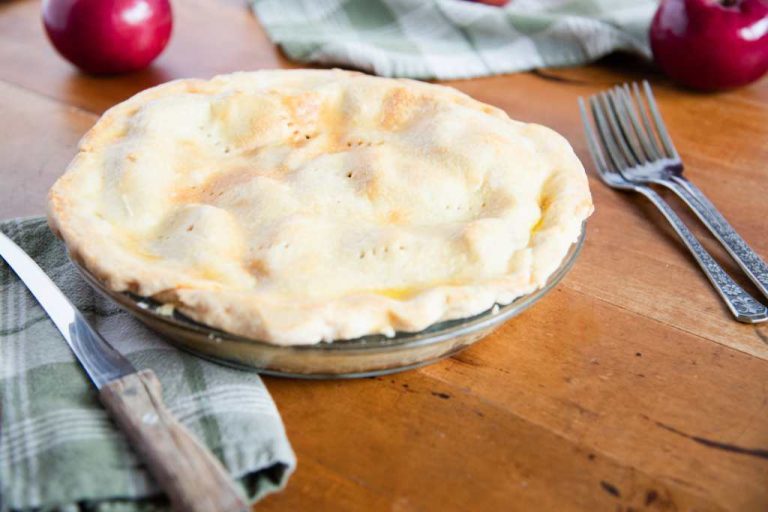
The Perfect Pie’s Story
We have a special visitor here on the farm this week – my grandmother! Nana, as I call her, visits from Arizona whenever she gets the chance. With this sudden cold spell, it’s been a bit of an adjustment for her after 95° days… especially since our space heater quit in the middle of the night. She’s adding plenty of layers and doing her best, though!
When she visits, my mom makes our special McIntosh apple pie recipe. It’s Nana’s favorite dish, and it’s one of ours as well! This recipe is the gold standard for apple pies – every other apple pie I’ve tried, be it homemade, restaurant, or… store-bought (wow, I gagged just writing that), falls short.

Just like the pie crust, this recipe for apple pie with McIntosh apples was handed down from my mom’s great-aunt. Though she passed away when my mom was a baby, her legacy lives on through our family baking. She was very special to my Grandma growing up, and she sure had a lot of great recipes!
McIntosh Apple Pie Filling Recipe
Whether you’ve got McIntosh apples to use up or if you’re just looking for the best apple pie you’ve ever tasted, you’ve found a solution here! This recipe for McIntosh apple pie filling is just the right amount of sweet, with perfectly tender-crisp baked apples (if you’ve ever had a great pie, you know it’s not really a contradiction!).
All you’ll need is a few McIntosh apples, sugar, cornstarch, cinnamon, and lemon juice. Once you’ve tried it, you may find other great baked goods that could use this filling, too!
Which Apples Should I Use For Pie? – Pie Q&A with Kate McDermott
FAQ
Are McIntosh apples good for pie?
McIntosh apples are generally not ideal for pie because they soften too quickly and become mushy. However, they can be used in pies if you prefer a saucier filling or want a tender texture. To get the best texture, combine McIntosh with firmer apples like Granny Smith or Honeycrisp, which will provide a good balance of flavor and body to your pie.
Can MacIntosh apples be used for baking?
What apples not to use in apple pie?
Avoid apples that tend to be mushy: red delicious, yellow apples, envy variety, and any others you might’ve happened upon and found to not be ‘crisp’. Mushy apples may be great for applesauce, apple cider vinegar, or other things… but they are not the best for pies.
What apples should be used for apple pie?
For a perfectly textured and flavorful apple pie, use a combination of firm, tart apples and sweeter, softer ones, like a mix of Granny Smith and Honeycrisp or Golden Delicious. The firm apples, such as Granny Smith, provide structure and tartness to balance the filling, while the sweeter varieties add depth and complexity.