
Hey there, kitchen warriors! Ever found yourself in the middle of a recipe—say, whipping up some fluffy pancakes or tender biscuits—and realized you ain’t got no buttermilk in the fridge? I’ve been there, trust me But here’s the kicker you can use apple cider vinegar to make a darn good buttermilk substitute right at home No store run needed! It’s cheap, quick, and works like a charm. Stick with me, and I’ll walk ya through how to do it, why it works, and all the neat tricks I’ve picked up along the way to make your baking game strong.
Why Apple Cider Vinegar is Your Buttermilk BFF
Before we get to mixin’, let’s chat about why apple cider vinegar is the MVP here. See, buttermilk ain’t just regular milk—it’s got this tangy kick and acidity that makes baked goods rise nice and soft. Real buttermilk comes from churning butter, leaving behind a sour liquid. But most of us don’t got time for that old-school stuff. Enter apple cider vinegar. This stuff’s got acetic acid in it, which, when mixed with milk, makes it curdle a bit and mimic that tangy vibe of buttermilk. It’s like a science experiment, but one you can eat!
Plus, it’s a real neat trick ‘cause:
- It’s cheap as heck: You probably already got a bottle of apple cider vinegar sittin’ in your pantry.
- It’s fast: Takes just 5-10 minutes to whip up.
- It’s versatile: Works with regular milk or even non-dairy stuff for my vegan pals.
- Bonus health perk: Apple cider vinegar’s got some probiotics that might do your gut good.
So, let’s get to the good part—how to make this magic happen
How to Make Buttermilk with Apple Cider Vinegar (Step-by-Step)
I remember the first time I tried this. I was makin’ pancakes on a lazy Sunday, and halfway through, I’m like, “Dang, no buttermilk!” But I had milk and a dusty bottle of apple cider vinegar, and lemme tell ya, it saved the day. Here’s how you do it, super simple
-
Grab Your Stuff:
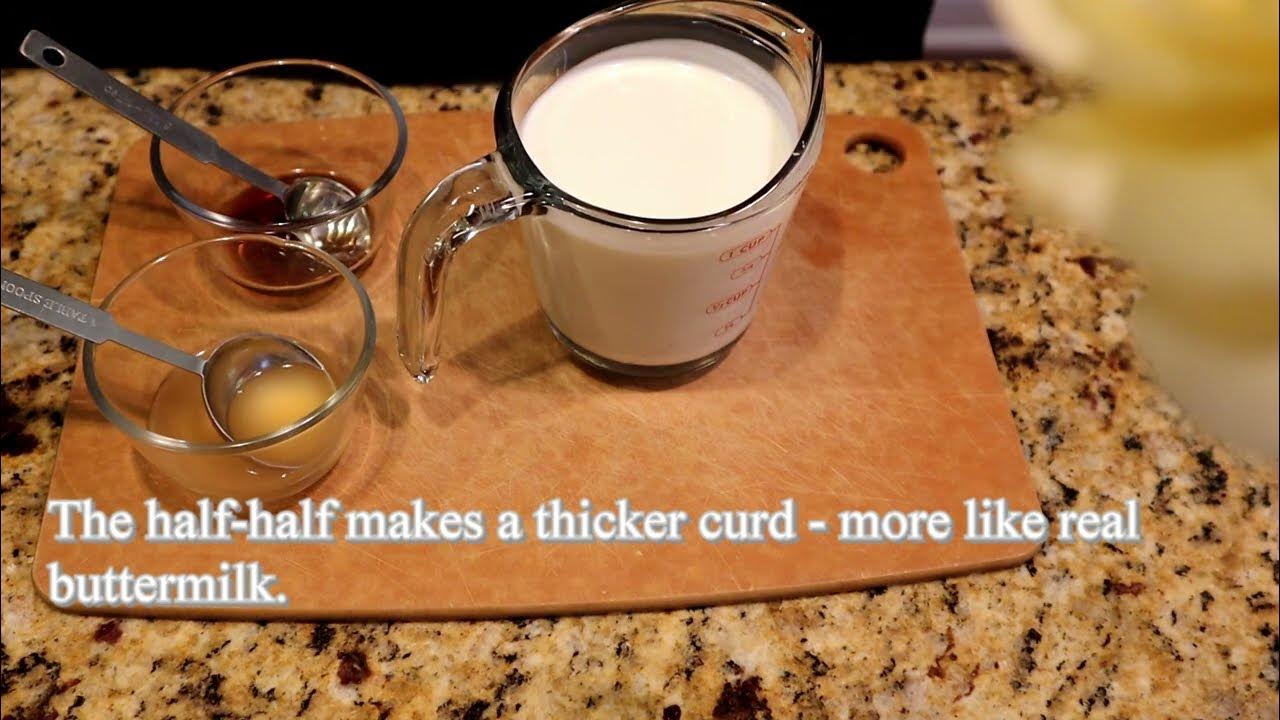
- 1 cup of milk (whole milk’s best for that rich texture, but low-fat or even skim works too).
- 1 tablespoon of apple cider vinegar (don’t matter if it’s raw or filtered, just use what ya got).
-
Measure It Out:
- Pour that 1 cup of milk into a measuring cup or a small bowl. I like using a clear glass so I can see the curdling action later.
-
Add the Vinegar:
- Toss in 1 tablespoon of apple cider vinegar right into the milk. Don’t overthink it—just eyeball it if your spoon’s close enough.
-
Stir It Up:
- Give it a gentle stir with a spoon to mix the vinegar in. You don’t need to go crazy, just make sure it’s combined.
-
Let It Chill (or Not):
- Set it aside at room temp for about 5 to 10 minutes. You’ll see the milk start to thicken a lil’ and maybe get some tiny curds. That’s the sign it’s ready! If you’re in a rush, 5 minutes usually does the trick.
-
Use It:
- Once it’s thickened, go ahead and use it in your recipe just like you would regular buttermilk. Easy peasy!
That’s it, y’all. You’ve just made a buttermilk substitute that’ll fool anyone into thinkin’ you had the real deal. I’ve used this mix in everything from fluffy pancakes to savory biscuits, and it ain’t let me down yet.
A Few Tips I’ve Learned the Hard Way
Now, I ain’t perfect, and I’ve flubbed this a couple times before gettin’ it right. So, here’s some pointers to keep ya from makin’ the same dumb mistakes I did:
- Use Fresh Milk: If your milk’s already on the edge of goin’ bad, this ain’t gonna taste right. Start with somethin’ fresh for the best flavor.
- Room Temp Helps: If your milk’s straight outta the fridge, it might take longer to curdle. I usually let mine sit out a bit first, or zap it in the microwave for like 10 seconds to warm it up.
- Don’t Overdo the Wait: Let it sit too long, and it might get too curdly, which can mess with your recipe’s texture. Stick to 5-10 minutes, max.
- Scale It Up or Down: Need more than a cup? Just keep the ratio—1 tablespoon vinegar per 1 cup milk. Need less? Halve it. Math ain’t my strong suit, but this one’s easy.
- Tweak the Tang: If you like it extra zingy, add a smidge more vinegar. But don’t go nuts, or it’ll overpower your dish.
One time, I forgot about my mix and left it sittin’ for like an hour. Came back to somethin’ that looked more like cottage cheese than buttermilk. Tasted fine, but my cake came out weird. Lesson learned—set a timer if you’re as forgetful as me!
What Kinda Milk Should Ya Use?
Alright, let’s talk milk options, ‘cause not everyone’s got the same stuff in their fridge. I usually grab whole milk ‘cause it gives that creamy, rich feel closest to real buttermilk. But I’ve tried others, and here’s how they stack up:
| Milk Type | How It Works | Pros | Cons |
|---|---|---|---|
| Whole Milk | Thickens nicely, closest to real buttermilk texture. | Rich flavor, creamy result. | Higher fat, not for everyone. |
| Low-Fat (2% or 1%) | Still curdles okay, but a bit thinner. | Lower calories, still usable. | Less rich, bit watery. |
| Skim Milk | Curdles, but super thin consistency. | Low fat, if that’s your thing. | Not much body, weaker flavor. |
| Non-Dairy (Almond, Soy) | Works, but texture varies by brand. | Vegan-friendly, dairy-free. | Taste can be off, less curdling. |
I’ve messed around with almond milk before for a friend who don’t do dairy, and it worked alright in a pinch for muffins. Just know it won’t be as thick, and the flavor might have a lil’ nutty undertone. Pick what fits your diet or what’s in your kitchen, and you’re golden.
Why Even Bother with Buttermilk Anyway?
If you’re wonderin’ why recipes even call for buttermilk in the first place, lemme break it down real quick. Buttermilk does some cool stuff in cooking and baking:
- Adds Tang: That sour kick gives depth to stuff like pancakes, biscuits, or even dressings like ranch.
- Makes Things Fluffy: Its acid reacts with baking soda to create bubbles, helpin’ your baked goods rise and stay soft.
- Tenderizes: Breaks down gluten in dough, so your cakes and breads ain’t tough as leather.
- Moisture Magic: Keeps things moist, so your muffins don’t dry out.
I used to skip it and just use regular milk, thinkin’ it weren’t a big deal. Boy, was I wrong! First time I made biscuits with real buttermilk (or this substitute), they were so much fluffier, I couldn’t believe it. It’s worth the extra step, I swear.
Other Ways to Fake Buttermilk (If You Ain’t Got Vinegar)
Now, what if you don’t got apple cider vinegar lyin’ around? No sweat, I’ve got backups for ya. Over the years, I’ve tried a buncha substitutes when I was desperate, and these work pretty dang good too:
- Lemon Juice: Same deal—1 tablespoon lemon juice to 1 cup milk. Let it sit 5-10 minutes. Tastes a bit brighter, less apple-y, but still tangy.
- Yogurt Trick: Mix ½ cup plain yogurt with ½ cup milk. It’s thicker, so it adds richness, but might change your recipe’s vibe a tad.
- Sour Cream Hack: Blend ½ cup sour cream with ½ cup milk. Super creamy, great for heavier batters, though the flavor’s stronger.
- Cream of Tartar: Add 1 ¾ teaspoons to 1 cup milk, let it sit. This one’s less common, but if you bake a lot, you might have it.
I once used lemon juice ‘cause my vinegar bottle was empty, and honestly, couldn’t tell much difference in my cornbread. Apple cider vinegar’s my go-to ‘cause it’s got a milder, sweeter tang compared to plain white vinegar, which can be harsh. But use what ya got—kitchen’s all about improvin’!
Recipes to Try with Your Homemade Buttermilk
Now that you’ve got this buttermilk substitute ready, let’s put it to work. Here’s some ideas I love messin’ with in my kitchen. I ain’t no fancy chef, just a home cook who likes good eats, so these are easy enough for anyone to tackle.
Fluffy Buttermilk Pancakes
Nothin’ beats a stack of pancakes on a weekend mornin’. The buttermilk (or our fake version) makes ‘em light as a feather. Here’s my quick recipe:
- Mix 1 cup flour, 2 tablespoons sugar, 1 teaspoon baking powder, ½ teaspoon baking soda, and a pinch of salt.
- In another bowl, whisk 1 cup of your homemade buttermilk, 1 egg, and 2 tablespoons melted butter.
- Combine wet and dry, don’t overmix—lumps are fine.
- Cook on a hot griddle, flip when bubbles form. Serve with syrup or berries. Yum!
I make these for my kiddos all the time, and they gobble ‘em up faster than I can flip ‘em. That tang from the vinegar-milk mix just makes ‘em pop.
Buttermilk Biscuits That’ll Steal the Show
Biscuits are my weakness, y’all. They’re perfect with gravy or just slathered with butter. Here’s how I do ‘em:
- Preheat oven to 450°F (230°C).
- Mix 2 cups flour, 1 tablespoon baking powder, ½ teaspoon baking soda, 1 teaspoon salt.
- Cut in 6 tablespoons cold butter ‘til it looks like crumbs.
- Add ¾ cup of your buttermilk substitute, stir just ‘til it comes together.
- Roll out, cut into rounds, bake for 10-12 minutes ‘til golden.
First time I used this substitute for biscuits, I was nervous they’d flop. But nope, they came out tall and tender, just like grandma’s. I was prouder than a peacock!
Tangy Ranch Dressing
Buttermilk ain’t just for baking—it’s killer in dressings too. I whip up ranch for salads or dippin’ like this:
- Mix ½ cup mayo, ½ cup sour cream, ½ cup of your buttermilk mix.
- Add 1 teaspoon garlic powder, 1 teaspoon onion powder, 1 tablespoon chopped dill (or dried), salt, and pepper.
- Stir well, let it chill in the fridge for an hour if ya can wait.
I’ve taken this to potlucks, and folks always ask for the recipe. That lil’ tang from the apple cider vinegar version gives it an extra somethin’-somethin’.
Marinate Some Chicken
Ever tried buttermilk-marinated fried chicken? It’s a game-changer. The acid tenderizes the meat, makin’ it juicy. I do this:
- Mix 2 cups of your buttermilk substitute with 1 teaspoon salt, ½ teaspoon pepper, 1 teaspoon paprika, and a dash of hot sauce.
- Soak chicken pieces in it for 4-24 hours in the fridge.
- Dredge in seasoned flour, fry ‘til crispy.
I did this for a family barbecue once, and my cousin swore it was better than any fast-food joint. It’s all about that tangy soak—don’t skip it!
Storing Your Buttermilk Substitute (Or Not)
Here’s the thing—I usually make just what I need ‘cause this stuff don’t keep long. Since it’s just soured milk, it’s got the same shelf life as the milk you started with. If you got leftovers, pop ‘em in the fridge in a sealed container for up to a couple days, maybe a week max if your milk’s super fresh. Give it a shake before usin’ again ‘cause it might separate a bit.
Freezin’ it? Eh, I don’t recommend it. I tried once, and after thawin’, it was all grainy and weird. Didn’t ruin my recipe, but it weren’t pretty. Just whip up a fresh batch—it’s so quick, why bother freezin’?
Why This Hack’s a Lifesaver
Look, I know runnin’ to the store for one dang ingredient feels like a chore sometimes. I’ve got two kids and a dog who thinks he’s a kid, so trust me, I get it. This apple cider vinegar trick has saved my bacon more times than I can count. It’s not just about savin’ time—it’s about feelin’ like you’ve outsmarted the kitchen. You’re takin’ basic stuff you already got and turnin’ it into somethin’ special. Plus, it’s pennies compared to buyin’ a carton of buttermilk that’ll half go to waste.
I’ve shared this with my mom, my bestie, even my neighbor who can barely boil water, and they all swear by it now. It’s one of those lil’ secrets that makes ya feel like a pro, even if you burn toast on the regular like I do sometimes.
Troubleshooting When Things Go Wonky
Not every batch comes out perfect, and I’ve had my share of “what the heck” moments. If yours ain’t workin’ right, here’s what might be up:
- No Curdling: If it ain’t thickenin’, your milk might be too cold or not fresh enough. Warm it slightly, or double-check the date on the carton.
- Too Much Curdle: Left it too long? It might look like cheese. Still usable in most recipes, just mix it good.
- Weird Taste: If it tastes off, your vinegar or milk might be old. Sniff before you start—trust your nose!
- Non-Dairy Flop: Some plant-based milks don’t curdle much. That’s normal; use it anyway for the acidity.
I had a batch once with almond milk that didn’t curdle at all, and I thought I messed up big time. Used it in a cake anyway, and it baked up fine. Sometimes ya just gotta roll with it.
Final Thoughts from My Kitchen to Yours
So, can ya use apple cider vinegar to make buttermilk? You betcha! It’s a quick fix that’s been keepin’ home cooks like me outta trouble for years. Whether you’re bakin’ up a storm or just need a tangy kick for a marinade, this lil’ hack with 1 cup milk and 1 tablespoon apple cider vinegar is your ticket. It ain’t exactly the same as churned buttermilk, sure, but it’s close enough to fool most taste buds, includin’ mine.
I love how it lets me keep cookin’ without stressin’ over missin’ ingredients. Next time you’re stuck, give it a whirl. Play around with it—try different milks, tweak the tang, make it yours. And hey, if ya got any cool recipes or twists on this, drop ‘em in the comments. I’m always down to learn a new trick or two.
Keep cookin’, keep messin’ up, and keep laughin’ about it. That’s the real kitchen life, right? Catch ya later with more hacks from my messy counter to yours!
How to Make Buttermilk at Home
FAQ
Can you substitute apple cider vinegar for white vinegar when making buttermilk?
What happens if you use apple cider vinegar instead of white vinegar?
Can You Use Substitute Apple Cider Vinegar for White Vinegar? Apple cider vinegar and white vinegar make good substitutes for one another in most cooking applications, but the former is significantly more tart. In many cases, you can also use these vinegars as substitutes for other types of vinegar.
Will apple cider vinegar curdle milk?
Which vinegar is best for buttermilk?
If we don’t have buttermilk in the fridge, the closest substitute would be another dairy product with a little acidity added; milk with a spoonful of lemon juice or white vinegar does the job quite nicely.