Hey there folks! If you’re itching to whip up a batch of homemade apple butter that’ll knock everyone’s socks off, you’ve stumbled on the right spot. I’m stoked to dive into this with ya ‘cause lemme tell ya, not all apples are created equal when it comes to makin’ this sweet, spiced spread. So, what type of apples for apple butter should you grab? Stick with me, and I’ll spill all the deets on picking the best ones, why they matter, and how to turn ‘em into a jar of pure autumn magic.
Why Your Apple Choice Matters Big Time
Before we get to the good stuff, let’s chat about why pickin’ the right apples ain’t just a small detail—it’s the whole dang foundation of killer apple butter. Apple butter, if you ain’t familiar, is like a thicker, richer cousin of applesauce. You cook down apples ‘til they’re a deep, caramelized paste, toss in some sugar and spices, and boom—you’ve got a spread that’s perfect on toast, biscuits, or even as a sneaky cake layer.
Now, here’s the kicker: different apples cook down different. Some turn to mush real quick, which is what we want, while others stay chunky or watery, which can mess up your vibe. Plus, the flavor—sweet, tart, or a mix—changes the game. Pick the wrong apple, and you’re stuck with a bland or sour mess. Pick the right one, and you’ve got folks begging for your recipe. So, let’s nail this from the get-go.
The Best Apples for Apple Butter: My Go-To List
Alright, let’s cut to the chase. If you’re headin’ to the market or orchard, here’s the apples you wanna snag for the smoothest, tastiest apple butter. These are the softies that break down easy and pack a flavor punch. I’ve used ‘em all over the years, and they ain’t never let me down.
- McIntosh: Man, these are the champs. Super tender, they melt into a perfect puree without much fight. They’ve got a sweet-tangy thing goin’ on that’s just right for apple butter.
- Fuji: Sweet as heck and pretty soft, Fuji apples are a solid base. They keep that sugary vibe even after cookin’, and they’re easy to find year-round, which is a win.
- Cortland: These are like McIntosh’s close cousins. Soft, juicy, with a tiny hint of tartness. They cook down fast and don’t brown much, keepin’ your butter lookin’ nice.
- Braeburn: A bit of sweet and tart mixed together, these add some depth. They’re juicy raw but hold texture decently when cooked, so they don’t turn to soup.
- Golden Delicious: Don’t sleep on these! They’re sweet with a honey-ish flavor, break down smooth, and give your butter a pretty golden hue.
- Jonamac: A snacker’s delight with a spiced undertone—think cinnamon or nutmeg naturally in there. Cook ‘em a bit longer since they’re firmer, but worth it.
- Liberty: Gorgeous red color and fine flesh with a citrusy kick. They’re awesome for apple butter and other desserts.
- Idared: More tart than sweet, but their creamy texture rocks in a batch. Bonus: cook with skins on for a pinkish tint.
- Gravenstein: Tart and don’t store long, so use ‘em quick if you find ‘em. They’re fab for baking and butter-makin’.
- Grimes Golden: Kinda like Golden Delicious but with a bolder, spiced flavor straight from the tree. Makes for a rich spread.
If I’m at a farmer’s market, I always ask the folks there what they reckon works best. Sometimes, they point me to local varieties I ain’t even heard of, and it’s like discoverin’ buried treasure. Don’t be shy—chat ‘em up!
Sweet vs. Tart: Strikin’ the Perfect Balance
Now, you might be wonderin’, “Do I go all sweet or throw in some tart apples?” Here’s my two cents: a mix is where it’s at. Usin’ only super sweet apples can make your butter taste like straight-up candy—too much, ya know? But if you go all tart, you’ll be dumpin’ in sugar just to make it edible, and it might lack that deep apple soul.
My trick? Go for a rough 3 1 ratio That’s three parts sweet apples like Fuji or McIntosh to one part tart, like a Granny Smith. Yeah, I said Granny Smith, but hold up—don’t use ‘em solo They’re too sour and tough to break down on their own, but a couple in a big batch cuts through the sweetness with a bright zing. This balance keeps your apple butter interestin’ and not just a sugar bomb.
Why mix at all? ‘Cause texture and flavor play off each other. Soft, sweet apples build that buttery, smooth base we crave. Tart, firmer ones add a lil’ body and them high notes that make each bite pop. Trust me, I’ve done batches with just one kind, and it’s fine, but it’s missin’ that “wow” factor. Mixin’ is the secret sauce.
Can Ya Use Just One Type of Apple?
Sure, you can, but I ain’t gonna lie—it’s a gamble. If you’re stuck with just one variety, pick somethin’ balanced like Cortland or Jonathan if you can find ‘em They’ve got enough sweet and tart and break down okay But even then, you’re skippin’ out on the layers of flavor a blend brings. I remember makin’ a batch with only Gala apples once. It was sweet, pleasant, but kinda meh. Nothin’ special. So, if you’ve got the chance, grab a couple different kinds and experiment.
Apples to Steer Clear Of
Not all apples are your friends when it comes to apple butter. Some just don’t cut it, and I’ve learned this the hard way. Here’s a quick rundown of ones to avoid—or at least not use on their own:
- Red Delicious: Look, they’re pretty, but that’s it. Flavor’s weak, doesn’t get better with cookin’, and the texture gets all mealy. Hard pass.
- Granny Smith (solo): Like I said, too tart and firm. You’ll end up with a lumpy, sour mess unless you mix ‘em with sweeter apples.
- Honeycrisp (solo): Love ‘em for eatin’, but they’re watery as heck. On their own, your butter will take forever to thicken up. Use sparingly in a blend if you must.
Stick to the softer, flavor-packed varieties, and you won’t go wrong.
Prep Tips: To Peel or Not to Peel?
One question I get a lot is, “Do I gotta peel the apples?” Nah, you don’t have to, and honestly, I usually don’t. Leavin’ the peels on has some sweet perks, if ya ask me:
- Better Color: Them red skins give your apple butter a deep, reddish-brown look without needin’ extras like molasses. Looks so darn appetizin’!
- Natural Thickener: Peels got pectin, which helps jams and stuff set. It’ll thicken your butter naturally, savin’ you cookin’ time.
- More Good Stuff: Lots of fiber and nutrients hang out in the peel. Why toss that away?
- Less Hassle: Peelin’ is a pain. Skip it, and you’re savin’ yourself a ton of work.
Here’s the catch: after cookin’ ‘em down ‘til they’re mushy, you gotta make it smooth. I use an immersion blender to zap the skins right into the mix ‘til it’s silky. If you ain’t got one, a food mill works to ditch the peels and seeds. Either way, don’t sweat the peels too much.
Oh, and one more thing—can you use bruised or funky-lookin’ apples? Heck yeah! Apple butter is perfect for usin’ up fruit that’s past its prime for munchin’. Just cut out any rotten bits or bad spots where the skin’s broke. A lil’ bruise ain’t gonna hurt the taste none.
How Apple Choice Affects Cookin’ Time and Color
Somethin’ else to keep in mind is how your apples change the cookin’ process. Softer apples like McIntosh or Cortland break down quick—sometimes in just a few hours on low heat. Firmer ones, even the good picks like Jonamac, might need a bit longer to get that smooth vibe. If you’ve got a mix, no worries; the softies will lead the way.
Color’s another fun bit. Sweet apples like Golden Delicious keep things lighter, almost golden. Toss in some Idared or Braeburn with skins on, and you get a richer, darker hue. The real deep, mahogany color, though? That comes from slow cookin’. Let them natural sugars caramelize over 8-12 hours in a slow cooker, and you’ve got that signature apple butter look. Rush it on the stovetop, and it’ll stay pale and more like applesauce. Patience is your pal here.
Cookin’ Method: Slow and Steady Wins
Speakin’ of cookin’, let’s talk gear. I’m a huge fan of the slow cooker for apple butter. Why? ‘Cause it’s low-effort, and you ain’t as likely to burn the batch. Set it on low, let it simmer all day (or overnight), and stir now and then. You can do it on the stovetop or in the oven, but you gotta babysit it more to keep it from stickin’ or scorchin’. Slow cooker’s my ride-or-die for this.
Start by turnin’ your apples into a rough applesauce—core ‘em, chop ‘em, cook ‘em down a bit. If you’ve got tools like an apple corer or slicer, they speed things up. Once it’s mush, toss in your spices—cinnamon, nutmeg, maybe a pinch of cloves—and some sugar if your apples ain’t sweet enough. Then, let it cook down ‘til it’s thick and dark. That’s the magic.
Mixin’ It Up for Sugar-Free Apple Butter
If you’re tryin’ to cut back on sugar, your apple pick is even more key. Go heavy on the naturally sweet ones like Fuji or Gala for about 75% of your mix. Then, add a touch of somethin’ with a bright sweetness, like Golden Delicious, for the rest. A good shake of cinnamon can trick your taste buds into thinkin’ it’s sweeter than it is. Cook it slow to caramelize them natural sugars, and you’ve got a tasty spread without a speck of added sugar. I’ve done this for friends watchin’ their diet, and they couldn’t tell the difference.
How Much Apple Do Ya Need?
Wonderin’ how many apples to grab? Well, it depends on how big a batch you’re makin’, but here’s a lil’ guide I use for plannin’. This is rough, ‘cause apple sizes vary, but it’s a startin’ point.
| Batch Size (Jars) | Apples Needed (Pounds) | Rough Number of Apples |
|---|---|---|
| 2-3 small jars | 5-6 lbs | 15-20 medium apples |
| 5-6 small jars | 10-12 lbs | 30-40 medium apples |
| 10+ small jars | 20+ lbs | 60+ medium apples |
I usually go by weight at the store or market ‘cause it’s easier to eyeball. A mix of varieties in these amounts keeps things balanced. And hey, if you’ve got extras, apple butter freezes like a dream or cans well if you follow safe guidelines. Stock up for the year or gift ‘em out—people go nuts for homemade stuff.
Usin’ Your Apple Butter: Ideas Galore
Once you’ve got your apple butter ready, the fun don’t stop. Spread it on warm toast or biscuits for a quick breakfast that feels like a hug. Slather it in a PB&J for a twist that’ll blow your mind. I’ve even used it as a fillin’ in cakes or swirled into muffin batter for a lil’ somethin’ extra. One of my fave tricks is mixin’ a spoonful into oatmeal on a chilly mornin’. It’s like fall in a bowl, y’all.
A Lil’ Story from My Kitchen
Lemme take ya back to when I first got into makin’ apple butter. I was a kid, maybe 10 or so, watchin’ my granny in her tiny kitchen. She had a big ol’ pot on the stove, stirrin’ away, and the whole house smelled like cinnamon and apples. She’d always use whatever apples we picked from a nearby orchard—didn’t matter the kind, she just mixed ‘em up. “It’s all about the love you put in,” she’d say with a wink. I didn’t get it then, but now I do. It ain’t just the apples; it’s the time, the care, the memories you’re cookin’ up too.
That’s why I get so pumped about sharin’ this with y’all. Every batch I make, I think of her, and I tweak it a bit—maybe more sweet apples one year, a dash more spice the next. It’s never the same twice, and that’s the beauty of it. So, don’t stress too hard if your first go ain’t perfect. Play with them apples, find your groove, and make it yours.
Bonus Tips for Apple Butter Success
Before I let ya go, here’s a few more nuggets of wisdom I’ve picked up over the years. These lil’ tricks can take your batch from good to “holy cow, gimme more.”
- Spice It Right: Don’t skimp on cinnamon—it’s the heart of apple butter. I toss in a pinch of nutmeg or allspice too for warmth. Start small, taste as you go, ‘cause you can always add more.
- Check Consistency: Want it thicker? Cook it longer with the lid off to let moisture escape. Too thin? Keep simmerin’. It should mound on a spoon without runnin’ off.
- Store Smart: Jar it up while hot if you’re cannin’, and follow proper safety steps so it don’t spoil. Otherwise, fridge it for a few weeks or freeze for months. I’ve got jars in my freezer from last fall, still good as new.
- Experiment: Got an apple not on my list? Try it anyway! Local orchards might have hidden gems. Mix and match, see what vibes with your taste buds.
- Slow Is Best: I can’t say this enough—don’t rush. Low and slow brings out them deep flavors and that dark color we love. Set aside a day, put on some tunes, and let it do its thing.
Wrappin’ It Up
So, there ya have it—everything I know about what type of apples for apple butter. Go for soft, sweet ones like McIntosh, Fuji, or Cortland as your main players, toss in a few tart fellas like Braeburn or a Granny Smith for balance, and you’re golden. Mixin’ varieties gives ya depth, skip the peelin’ if you wanna save time (and boost color), and cook it slow for that rich, caramelized goodness.
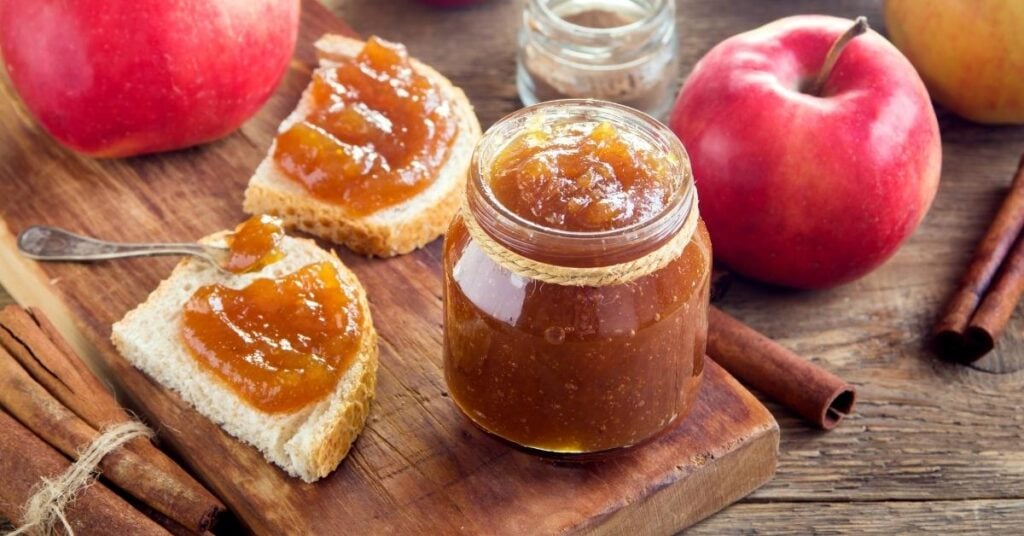
HOW TO MAKE HOMEMADE APPLE BUTTER: Easy Stovetop Recipe with Peeled or Unpeeled Apples
FAQ
Are Honeycrisp apples good for apple butter?
What are the best apples to make apple puree with?
McIntosh and Cortland are two great choices. Golden Delicious and Gala are idea for getting all the natural sugars you can in the puree. You’ll be cooking the apples down so sweetness and softness are key.
Can you use red delicious apples for apple butter?
Yes, you can use Red Delicious apples for apple butter, but it’s best to use them in combination with other apples, such as tart varieties like Granny Smith or other softer, sweeter apples, to achieve a complex flavor and ideal texture. Red Delicious apples are known for their mild flavor, so adding tart apples provides balance, and their soft, mealy flesh is suitable for a long-cooking process like making apple butter.
What four apples are best used for baking?