
Hey there, fellow bakers! Ever been knee-deep in a recipe, mixin’ up some killer muffins or a fluffy cake, only to realize you’re outta apple cider vinegar (ACV)? Ugh, been there, done that! It’s a real bummer, ‘specially when you’re in the zone But don’t chuck your mixing bowl out the window just yet—I’ve got your back with a bunch of swaps that’ll save the day. Here at our lil’ baking corner, we’re all about keepin’ it real and practical, so let’s dive into what to use instead of apple cider vinegar in baking I’m gonna break it down simple, with heaps of options and tips, so you can keep on bakin’ without a hitch.
Why the Heck Do We Use Apple Cider Vinegar in Baking?
Before we get to the good stuff (the substitutes!), let’s chat about why apple cider vinegar is even a thing in baking. I mean, vinegar in a cake? Sounds weird, right? But trust me, it’s pure magic.
- It’s All About the Acid, Baby: ACV is acidic, and when it mixes with baking soda, it creates a fizzy reaction (kinda like them science fair volcanos we made as kids). This reaction makes little bubbles that help your baked goods rise and get all fluffy.
- Tenderness for Days: It also tenderizes the dough or batter, givin’ ya a softer, more delicate crumb. Think melt-in-your-mouth kinda texture.
- Vegan Buttermilk Hack: A lotta folks (me included!) use it to whip up a quick vegan buttermilk by mixin’ it with non-dairy milk. It curdles just right and adds that tangy kick to recipes.
So when you’re outta ACV, you need somethin’ that can mimic this acidity and function even if the flavor ain’t exactly the same. Lucky for us, there’s a whole pantry full of options! Let’s roll through ‘em, grouped by type, so you can pick what works best for your bake.
Vinegar Swaps: The Closest Cousins to Apple Cider Vinegar
Since ACV is a vinegar, other vinegars are usually your best bet. They’ve got that acidic punch needed for leavening, though flavors and colors can shift a bit. Here’s the rundown on some solid picks.
1. White Vinegar – The Neutral Hero
If you’ve gotta lotta baking emergencies (like I do), white vinegar is probs already sittin’ in your cupboard. It’s my go-to when I’m outta ACV.
- Why It Works: It’s super acidic, just like ACV, so it reacts with baking soda to give that lift. Plus, it’s got a neutral flavor that won’t mess with your recipe.
- How to Use: Swap it 1:1. One tablespoon of white vinegar for one tablespoon of ACV. Easy peasy.
- Heads-Up: It’s a bit harsher than ACV, so if you’re usin’ more than a spoonful, toss in a tiny pinch of sugar to mellow it out. Also, no color change in your batter—perfect for light cakes!
2. White Wine Vinegar – The Mild Buddy
This one’s a fancy lil’ swap but still super accessible at most grocery spots.
- Why It Works: Similar acidity to ACV, and it’s got a mild, slightly fruity vibe that bakes down nice.
- How to Use: Use it straight up, 1:1 ratio. No adjustments needed.
- Heads-Up: It’s clear, so no weird tints in your bake. Flavor’s subtle, so it’s safe for most sweets or breads.
3. Red Wine Vinegar – The Fruity Twist
Got some red wine vinegar from a salad dressing experiment? It can pinch-hit for ACV.
- Why It Works: Acidity’s on point for that baking soda reaction.
- How to Use: Swap 1:1, same as ACV.
- Heads-Up: It’s got a reddish hue, so it might give your batter a slight pinkish tint. Fine for dark chocolate stuff, but maybe skip for a white cake. Flavor’s a tad fruitier than ACV too.
4. Rice Vinegar – The Light Touch
If you cook a lotta Asian dishes, you might have rice vinegar (unseasoned, please!) hangin’ around.
- Why It Works: It’s milder but still acidic enough for baking. Cooks down real smooth.
- How to Use: Go 1:1, though some brands ain’t as strong, so a tiny bit more won’t hurt if your rise looks weak.
- Heads-Up: Super light flavor, great for delicate bakes. Make sure it’s unseasoned, or you’ll throw off the salt and sugar balance.
5. Champagne Vinegar – The Bougie Option
Alright, this one’s a splurge, but if you’ve got it, use it!
- Why It Works: Mild and fruity, with acidity close to ACV. It’s a solid sub.
- How to Use: Swap 1:1, no fuss.
- Heads-Up: It’s pricey, so I save it for special recipes or when I’m feelin’ extra. Flavor’s lovely, though, and no color issues.
6. Sherry Vinegar – The Complex Pal
Sherry vinegar’s got a sweet, fruity depth that’s kinda unique.
- Why It Works: Acidity matches up for leavening.
- How to Use: Use 1:1, but don’t mess with liquid amounts in baking—keep it exact.
- Heads-Up: It can tint your dough and add a richer flavor. Good for hearty breads, less so for light desserts.
7. Malt Vinegar – The Yeasty Fella
This one’s often in the pantry if you’re into fish and chips.
- Why It Works: It’s acidic enough for the job.
- How to Use: Swap 1:1 for small amounts.
- Heads-Up: It’s got a yeasty, beer-like taste, so it’s better for savory bakes like bread. Also, heads up—it often ain’t gluten-free, so skip if you’re baking for celiac folks.
8. Balsamic Vinegar – The Risky Bet
I’m gonna be real—balsamic ain’t my first choice for baking, but it can work in a pinch.
- Why It Works: It’s acidic, so it’ll react with baking soda.
- How to Use: Use 1:1, but start with a tart, lighter variety if you can.
- Heads-Up: It’s dark, so it’ll color your bake brown or weird. Plus, it’s sweet and tangy—great for savory stuff, not so much for cookies or cakes. Use sparingly or you’ll regret it!
Citrus Juices: Bright and Zesty Alternatives
If you ain’t got no vinegars, citrus juices can step in. They’re acidic too, though not always as strong, and they bring their own flavors to the party. Here’s what I’ve tried and loved (or not).
9. Lemon Juice – My Personal Fave
Lemons are a lifesaver. I always got a couple rollin’ around in the fridge.
- Why It Works: Same pH range as ACV (around 2-3), so it’s great for leavening.
- How to Use: Swap 1:1. A tablespoon of lemon juice for a tablespoon of ACV.
- Heads-Up: It adds a bright, lemony zing. Awesome for blueberry muffins or anything citrusy, but might clash in, say, a chocolate cake. Still, it’s super handy!
10. Lime Juice – The Tangy Twin
Lime juice is lemon’s sassier cousin, and it works just as well.
- Why It Works: Acidity’s right there with lemon and ACV.
- How to Use: Go 1:1, no probs.
- Heads-Up: It’s sharper and got a distinct lime taste. I love it in tropical bakes, but it ain’t as versatile as lemon for everyday stuff.
11. Orange Juice – The Sweet Surprise
Orange juice can work, though it’s a bit of a wildcard.
- Why It Works: It’s acidic, though less so than lemon or vinegar (pH around 3-4).
- How to Use: Swap 1:1, but you might need a smidge more if rise is key.
- Heads-Up: Sweeter and, well, orangey. It’s cool in muffins or fruity cakes, but don’t expect the same punch. Add a splash of vinegar if you’ve got it for extra acid.
Other Oddball Options: When You’re Really Scrapin’ the Barrel
If your pantry’s lookin’ bare, here are a couple more ideas I’ve tinkered with over the years.
12. Apple Juice – The Weak Sibling
This ain’t fermented like ACV, but it’s got apple vibes.
- Why It Works: It’s got a higher pH (less acidic), so it won’t do much for leavening on its own.
- How to Use: Use 1:1, but boost acidity with a splash of lemon or vinegar if possible.
- Heads-Up: It’s sweet and won’t give much rise. I’d only use it for flavor in a pinch, not function. Make sure it’s unsweetened!
13. Citric Acid – The Science-y Fix
This one’s a bit outta left field, but if you’ve got it (maybe from canning?), it’s neat.
- Why It Works: Pure acid, baby! It lowers pH like ACV does.
- How to Use: Use about 1/8 teaspoon plus a tablespoon of water for every tablespoon of ACV. Test it first—brands vary.
- Heads-Up: It’s strong and sour. I don’t keep it on hand much, but it’s clutch if you’ve got it. Don’t overdo it, or your bake’ll taste like a lemon drop!
Quick Glance Table: Pick Your Swap!
Here’s a lil’ cheat sheet to compare these bad boys at a glance. Pick what ya got and what fits your recipe.
| Substitute | Acidity Match | Flavor Impact | Color Impact | Best For |
|---|---|---|---|---|
| White Vinegar | High ✅ | Neutral | None | Most bakes, universal |
| White Wine Vinegar | High ✅ | Mild, fruity | None | Cakes, light bakes |
| Red Wine Vinegar | High ✅ | Fruity | Pinkish tint | Dark or savory bakes |
| Rice Vinegar | Medium ✅ | Light, mellow | None | Delicate bakes |
| Champagne Vinegar | High ✅ | Fruity, mild | None | Special recipes |
| Sherry Vinegar | High ✅ | Sweet, complex | Slight tint | Hearty breads |
| Malt Vinegar | High ✅ | Yeasty | Slight tint | Savory, not gluten-free |
| Balsamic Vinegar | Medium ✅ | Sweet, tangy | Dark tint | Savory, bold recipes |
| Lemon Juice | High ✅ | Bright, lemony | None | Fruity or citrus bakes |
| Lime Juice | High ✅ | Sharp, limey | None | Tropical bakes |
| Orange Juice | Medium ❌ | Sweet, orangey | None | Fruity muffins, cakes |
| Apple Juice | Low ❌ | Sweet, appley | None | Flavor only, not rise |
| Citric Acid | High ✅ | Sour | None | Experimental, small amounts |
My Personal Baking Mishaps and Wins with These Swaps
I gotta confess, I’ve had my share of baking blunders tryin’ these out. One time, I used balsamic vinegar in a vanilla cupcake recipe—yep, turned out lookin’ like mud and tastin’ weirdly sweet-sour. Lesson learned: save that for savory bread or somethin’ bold. On the flip side, lemon juice saved my bacon when makin’ blueberry scones without ACV. Added such a fresh pop, I almost liked it better than the original!
Another win? White vinegar in a gluten-free banana bread. I was makin’ a vegan version for a pal, mixed it with almond milk for that buttermilk trick, and it rose like a dream. No funky aftertaste neither. So, trust me when I say test these in small batches if you ain’t sure—your taste buds’ll thank ya.
What If You Ain’t Got None of These?
Alright, real talk—if your kitchen’s emptier than a ghost town and you’ve got none of these swaps, you might be wonderin’ if you can just skip the ACV altogether. Sometimes, yeah, you can. If the recipe only calls for a teaspoon or two, and it’s got other acids (like sour cream or yogurt), you might get away with it. But if it’s a big player for rise or texture, your bake might flop—literally. In that case, get creative. Got any sour fruit juice? Even a splash of cranberry juice might do somethin’. Worst case, run to a neighbor’s house and beg for a lemon. We’ve all been there!
Tips to Make These Subs Work Like a Charm
To wrap this up, here’s a few extra nuggets of wisdom I’ve picked up from my baking adventures:
- Taste Test First: If you’re usin’ a sub with a strong flavor (lookin’ at you, lime juice), mix a tiny bit into a spoonful of batter and taste. Better safe than sorry.
- Watch the Color: Dark subs like balsamic or red wine vinegar can mess with pretty bakes. Stick to clear ones for white cakes or pale cookies.
- Don’t Mess with Liquids Too Much: Baking’s a science, y’all. If you’re addin’ extra juice or somethin’, cut back on other liquids a tad to keep the balance.
- Start Small: New to a sub? Use it in a forgiving recipe like muffins or quick bread before tryin’ a fancy layer cake.
Let’s Keep Baknin’ Together!
There ya have it, folks—a full-on guide to what to use instead of apple cider vinegar in baking. Whether you’re grabbin’ white vinegar off the shelf or squeezin’ a lemon with all your might, you’ve got options galore to keep your baking game strong. I love sharin’ these kitchen hacks with y’all, ‘cause at the end of the day, baking’s about creativity and makin’ do with what ya got. So, next time you’re outta ACV, don’t sweat it—just pick a swap and roll with it. Drop a comment if you’ve tried any of these or got your own weird subs—I’m all ears for new tricks! Keep on mixin’, keep on bakin’, and let’s whip up some tasty stuff together!
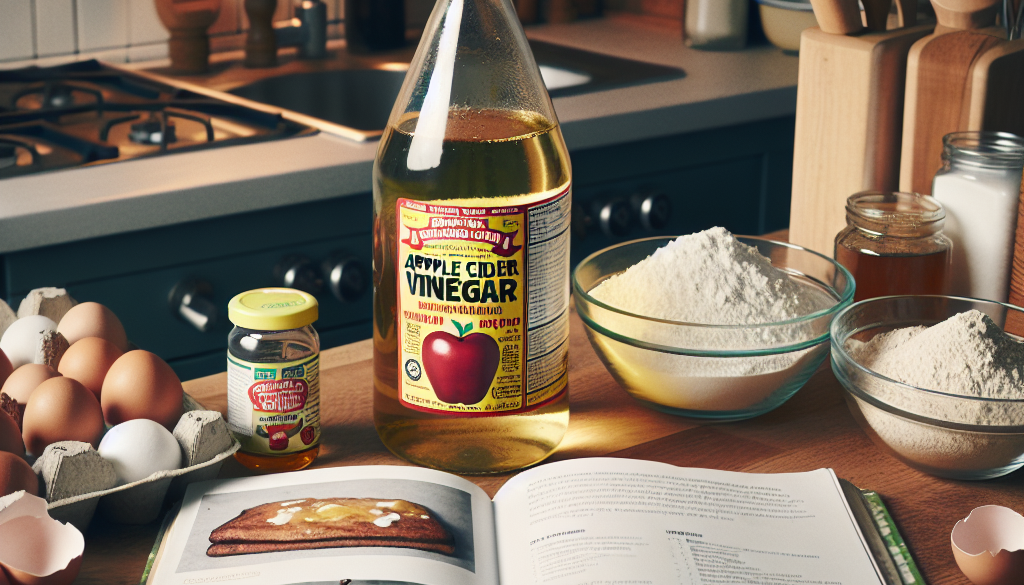
What is apple cider vinegar?
Apple cider vinegar (often shortened to the acronym ‘ACV’) is vinegar made from fermented apples, yeast and sugar. It’s usually used to make salad dressings, however, it can also be used in baking recipes; it’s used in our vegan victoria sponge cake and vegan pancakes.
There are also lots of health benefits of apple cider vinegar, including lowering blood sugar, supporting weight loss and improving skin health.
What is apple cider vinegar used for in baking?
Vinegar is often used in baking to act as a leavening agent. As vinegar is acidic, it reacts with baking soda to oxidise – creating bubbles which helps recipes to rise, giving them a light and airy texture. Apple cider vinegar can be used as a leaver in cakes, cookies, pancakes and more.
Can You Substitute Apple Cider Vinegar For White Vinegar? ANSWERED
FAQ
What is a good substitute for apple cider vinegar in a recipe?
What is a substitute for apple cider vinegar in baking cakes?
White vinegar
Ideally, you’d use another type of vinegar to replace ACV as they also contain acetic acid. White vinegar makes a great replacement for apple cider vinegar as it has a neutral flavour profile. This means it shouldn’t affect the flavour of your final bake, compared to if you’d used ACV.
Is there a substitute for apple cider in a recipe?
Apple juice The closest substitute for apple cider is apple juice. If you are using the juice as a substitute in your recipe, make sure it is the unsweetened version so that your recipe won’t be far from its original flavor.Nov 15, 2024
What does apple cider vinegar do for baked goods?
What is a good substitute for apple cider vinegar in baking?
Balsamic vinegar is a great substitute for apple cider vinegar in baking since it has a similar acidic taste. This can help to balance out sweet flavors. In addition, balsamic vinegar is dark in color, so it can give baked goods a rich, caramelized flavor. To substitute one teaspoon of apple cider vinegar, use one teaspoon of balsamic vinegar.
Can I substitute apple cider vinegar for acid?
Fortunately, you can easily substitute apple cider vinegar with other acids with a similar level of acidity. As an affiliate partner of various brands and sponsored content, Zest for Baking may earn commission on qualifying purchases. Disclaimer
Can I substitute lemon juice for apple cider vinegar?
The flavor matches apple cider vinegar better than any other alternative and is guaranteed to add the fruity acidity that your recipe needs. Substitute lemon juice for apple cider vinegar in a 1:1 ratio (or slightly less for baking recipes). 2.
Can you substitute apple cider vinegar for red wine vinegar?
It will give you the same flavor profile as if you used ACV. When substituting red wine vinegar for apple cider vinegar in baking, it is important to use a 1:1 ratio. This will ensure that your baked goods still have the desired level of tartness. To substitute one teaspoon of apple cider vinegar, use one teaspoon of red wine vinegar.
Can apple cider vinegar replace white vinegar in baking?
Most of the time, apple cider vinegar can replace white vinegar in baking. In other uses, it may not work as an even swap. Are all vinegars gluten-free?
Can I use apple juice instead of apple cider vinegar?
Perhaps overlooked, you can easily use apple juice as an alternative to apple cider vinegar. This is a wonderful substitute when used in recipes complementary to the apple flavor (of ACV). It won’t be nearly as acidic, as it hasn’t been fermented, but it definitely has the fruity flavor that matches!