
Top a baked apple with whipped cream for dessert, float a little cream around it for brunch, or enjoy it plain for a warming breakfast. Kathy Morrison
The citrus crop is coming in, but Im not done with apples yet. A recipe by cookbook author Dorie Greenspan, which she says originated with her mother, recently popped up on my news feed, sounding delicious and comforting in all this bleak weather.
Why had I never made baked apples? It was time to try. I took Dories mothers recipe as a jumping-off place. The result was satisfyingly sweet without having to make pastry or use a lot of sugar. Just a bit of whipped cream turned it into dessert, but served alone the apple was wonderful for breakfast.
Note: The choice of apple makes a difference in the baking time. Dorie recommends Rome apples, which are too soft for eating but excellent for baking. I had a drawerful of Honeycrisps, a great all-purpose apple, so decided to give those a whirl. Pink Lady apples also would be good, I think.
I used the combination of an apple corer and a melon ball scoop to core the apples, since its important not to cut through the bottom of the apple. (The juices escape if theyre cut.) The corer cut the shape and the scoop got the core out in controllable bits. Be sure to remove the seeds but stop scooping after that.
Adjust the filling to personal preference. Were not big fans of raisins in baked goods, so I chose dried cranberries. Dried cherries or currants or even dried blueberries would be excellent, too. Chopped walnuts or other nuts is another option.
Smaller bottles of cider can be harder to find than apple juice, which I think is too sweet for this. But we had some sparkling cider left over from the holidays, so I popped open a bottle, poured out 1 cup and let it go mostly flat before using it as the cooking liquid. Win!
4 apples the same size — Rome, Honeycrisp, Pink Lady, or your favorite (but avoid Granny Smiths)
2 tablespoons dried cranberries, raisins, currants or other dried fruit or nuts (chopped if pieces are large)
Heat oven to 375 degrees. Place a sheet of parchment paper or foil on a shallow baking sheet, and set a 9- or 10-inch glass pie plate on it.
Using a corer, melon ball scoop or small knife, remove the cores of the apples without cutting through the bottoms. (See comment above.) Then slice a small cap off each apple, and set it aside. Cut away about 1/2-inch of peel around the top of each apple. Reserve 2 of the peels.
Run a lemon wedge around the cut part of each apple and cap, and drip a little juice into each opening. Reserve 2 of the squeezed lemon wedges.
In a small bowl, mash together the butter, sugar, dried fruit, ginger bits (if using), cinnamon and salt. Fill the apples with equal amounts of this filling. (Add a little more fruit and butter if the cores are not full.)
Put the caps back on their respective apples. Place the apples in the pie plate. Put the two reserved lemon wedges and two of the reserved peels in the bottom of the dish, and pour the cider into the dish. Add the honey to the liquid; it wont dissolve immediately but thats OK.
Bake the apples, basting occasionally with the liquid, for 50 (for baking apples) up to 70 minutes (for Honeycrisps, but check at 60), until a toothpick or skewer poked into them goes in easily.
Allow apples to cool for 15 minutes before serving. Be sure to put a little of the pan syrup in each dish; the flavor is quite wonderful.
The apples will keep for a few days in the refrigerator and can be rewarmed in the microwave.
Be prepared for cooler weather this week and keep an umbrella handy. But otherwise, tackle those garden chores. It’s time to get stuff done!
* Now is the time to plant for fall. The warm soil will get veggies and others off to a fast start.
* Cultivate and add compost to the soil to replenish its nutrients for fall and winter vegetables and flowers.
* Plant onions, lettuce, peas, radishes, turnips, beets, carrots, bok choy, spinach and potatoes directly into the vegetable beds.
* Divide and replant bulbs, rhizomes and perennials. Bearded iris should be divided every three years.
* Divide and transplant peonies that have become overcrowded. Replant with “eyes” about an inch below the soil surface.
Hey there, baking buds! If you’ve ever wandered through a grocery store or farmers’ market in the fall and spotted them shiny, deep red Rome apples, you mighta wondered, “Can I bake with these bad boys?” Well, I’m here to spill the beans—yes, you absolutely can bake with Rome apples! But, hold up, it ain’t as simple as chucking ‘em into a pie and calling it a day. These apples got their quirks, and I’ve learned the hard way how to make ‘em shine in the oven. So, grab a cup of coffee, and let’s dive deep into why Rome apples can be your baking ally, how to handle their lil’ challenges, and what tasty treats you can whip up with ‘em.
What’s So Special About Rome Apples Anyway?
First off let’s get to know these fellas. Rome apples, sometimes called Rome Beauty, are a classic variety that’s been around since way back in the early 1800s hailing from Ohio. They’re easy to spot with their round shape and glossy, vibrant red skin—sometimes with a lil’ green or yellow sneaking in. Now, I ain’t gonna lie, they look pretty as a picture, but looks ain’t everything when it comes to baking.
Here’s the lowdown on what makes Rome apples tick:
- Texture: They’re firm and crisp, which is a big win for baking. They don’t turn to mush when the heat’s on, so you get nice, defined chunks or slices in your dish.
- Flavor: They got a mild taste, kinda sweet with a slight tart kick. It ain’t overpowering, which can be good or bad depending on your vibe. It means other flavors—like cinnamon or sugar—can steal the show.
- Availability: These babies store real well, lasting months if you keep ‘em cool and dark. You’ll find ‘em easy during fall and winter, makin’ them a handy pick for seasonal baking.
I remember the first time I grabbed a bag of Rome apples at the market, thinkin’ they’d be just like any other apple. Boy, was I in for a surprise when I bit into one raw—it wasn’t juicy or super sweet like a Honeycrisp. But that firmness? That’s where they got my attention for baking.
Can You Bake with Rome Apples? Hell Yeah, But…
Alright let’s cut to the chase—can you bake with Rome apples? Damn right you can! They’re a solid choice ‘cause they hold their shape like champs under heat. Whether it’s a pie, crisp, or some baked apples stuffed with goodies, Rome apples won’t let ya down by turnin’ into applesauce in the oven. That’s a big deal when you want texture in your dessert, not a soggy mess.
But here’s the catch—and I’ve messed this up before so you don’t gotta—they ain’t perfect outta the box There’s two main hiccups with Rome apples in baking
- Dryness: They ain’t the juiciest apples on the block. If you don’t watch out, your baked goods might come out drier than a desert road. I’ve had pies that tasted like cardboard ‘cause I didn’t add enough moisture.
- Mild Flavor: Their taste is subtle, almost too subtle sometimes. If you’re lookin’ for that bold, punchy apple flavor, Rome apples might leave ya wantin’ more.
Don’t worry, though. We got ways to fix these issues, and I’m gonna walk ya through ‘em.
How to Make Rome Apples Work in Your Baking
So, how do we turn these firm lil’ fruits into baking gold? I’ve tinkered around in my kitchen enough to figure out some tricks that’ll make your Rome apple dishes pop. Let’s break it down.
Tackling the Dryness Problem
Since Rome apples don’t bring a lotta juice to the party, you gotta help ‘em out. Here’s what I do:
- Mix with Juicier Apples: Pair ‘em with somethin’ like a Honeycrisp or Gala. The combo balances out the moisture, so your pie filling don’t dry up. I usually go half-and-half when I’m makin’ a big batch of apple crisp.
- Add Wet Ingredients: Toss in some applesauce, yogurt, or even a dollop of sour cream into your recipe. It’s like givin’ your apples a lil’ hydration boost. I’ve added applesauce to muffins with Rome apples, and it worked like a charm.
- Pre-Soak ‘Em: Before bakin’, soak your sliced apples in a mix of lemon juice and water for a few minutes. It keeps ‘em from dryin’ out in the oven. Plus, that lemon adds a zesty lil’ kick.
- Butter Up: While they’re baking, baste those apples with melted butter or a sugary syrup. It locks in moisture and makes ‘em taste richer. I’ve done this with baked apples, and oh man, it’s a game-changer.
Amping Up That Flavor
Since their flavor ain’t gonna blow your socks off on its own, you gotta spice things up—literally. Here’s how I jazz up Rome apples:
- Spice Like Crazy: Load up on cinnamon, nutmeg, cloves, or ginger. These warm flavors play so nice with the mild apple taste. I’m a cinnamon nut, so I go overboard, and it always works.
- Add a Zing: A splash of lemon juice or apple cider vinegar brightens everything up. It cuts through the sweetness and makes the apple flavor pop a bit more.
- Mix in Extras: Throw in cranberries, raisins, or walnuts for some depth. I’ve tossed cranberries into a Rome apple pie before, and the tart-sweet combo was straight fire.
- Caramelize ‘Em: Sauté the apples in butter and sugar before addin’ ‘em to your dish. It brings out a deeper, richer taste. I’ve done this for tarts, and folks thought I was some fancy chef or somethin’.
With these tweaks, Rome apples go from “meh” to “wow” in your baked goodies. Trust me, I’ve been there, turnin’ a so-so batch into somethin’ my family couldn’t stop eatin’.
Best Baked Goods to Make with Rome Apples
Now that we know how to handle ‘em, what should you bake with Rome apples? They ain’t great for everything, but in certain dishes, they’re a total win. Here’s my go-to list of treats where Rome apples shine:
- Baked Apples: This is old-school comfort food at its best. Core out the apples, stuff ‘em with a mix of butter, brown sugar, oats, and cinnamon, then bake ‘til tender. Rome apples hold their shape so well, they look gorgeous on the plate. I make these every fall, and my kids go nuts for ‘em.
- Apple Crisps and Crumbles: Their firmness means you get a nice bite, not mush, under that crispy topping. Just remember to add extra moisture to the filling—I’ve learned to toss in some extra butter or juice to keep it from dryin’ out.
- Apple Pies: They work awesome in pies, especially if you mix ‘em with a juicier or tarter apple for balance. Their structure keeps the filling from collapsin’. I’ve paired ‘em with Granny Smiths before, and the sweet-tart mix was spot on.
- Apple Cakes and Muffins: Dice ‘em up small so they spread even through the batter. Add some applesauce or yogurt to the mix for moistness. I’ve whipped up muffins with Rome apples for breakfast, and they’re a cozy way to start the day.
One thing I wouldn’t do is use ‘em solo for somethin’ like applesauce. They’re too firm and take forever to break down, plus the flavor ain’t strong enough. Mix ‘em with softer apples if you’re goin’ that route.
How Do Rome Apples Stack Up Against Other Baking Apples?
Alright, let’s talk comparisons. I’ve baked with all kinda apples over the years, and Rome apples got their own niche. Here’s how they measure up to some popular varieties you might be considerin’:
| Apple Variety | Flavor | Texture | Best for Baking? |
|---|---|---|---|
| Rome | Mild, sweet-tart | Firm, holds shape | Good with adjustments |
| Granny Smith | Sharp, tangy | Firm, holds shape | Awesome for pies, bold taste |
| Honeycrisp | Sweet-tart, juicy | Crisp, some softness | Great all-purpose, pricey |
| Gala | Sweet, aromatic | Softer when baked | Okay, better for eating |
| Golden Delicious | Sweet, mild | Softens more | Good, can lack structure |
Rome apples sit kinda in the middle. They ain’t got the zing of a Granny Smith or the juicy sweetness of a Honeycrisp, but their firmness is a big plus over softer ones like Gala. I’ve found they’re a budget-friendly pick too, often cheaper than fancier varieties, which is nice when you’re bakin’ for a crowd.
If I’m makin’ a pie and want bold flavor, I might lean toward Granny Smith or mix in some Honeycrisp. But if I got Rome apples on hand and wanna keep things simple, they do the job with the right tweaks. It’s all about knowin’ what you’re workin’ with.
Preppin’ Rome Apples for Baking: Easy Peasy
Before you start bakin’, you gotta prep them apples right. It ain’t rocket science, but a few steps make a big diff. Here’s how I do it:
- Wash ‘em good to get off any dirt or funky stuff. Nobody wants grit in their pie.
- Peel the skin off with a peeler or small knife. I know some folks leave it on for extra texture, but I prefer a smoother bite in my desserts.
- Core ‘em out—use a corer if you got one, or just a knife if you’re like me and keep misplacin’ tools.
- Slice or chop into even pieces, dependin’ on your recipe. Uniform bits cook more even, so you don’t got half raw and half mushy.
- Toss ‘em with a bit of lemon juice if you ain’t usin’ ‘em right away. Keeps ‘em from turnin’ brown and lookin’ sad.
I’ve skipped the lemon juice step before, thinkin’ it don’t matter, and ended up with ugly, browned apples. Lesson learned—don’t be lazy like I was!
Why You Should Give Rome Apples a Shot
Look, I get it—Rome apples ain’t the first pick for every baker. They’re not gonna win awards for the most mind-blowin’ flavor, and you gotta babysit ‘em a bit to avoid dryness. But here’s why I think they deserve a chance in your kitchen:
- They’re super reliable for holdin’ shape, givin’ your baked goods that pro look.
- They’re easy to find and don’t cost an arm and a leg, especially in fall and winter.
- With a few simple tricks, you can turn ‘em into somethin’ real tasty that’ll impress your fam or friends.
I’ve had my share of baking flops with Rome apples, like the time I made a pie so dry it coulda been a cracker. But once I figured out how to add moisture and boost the flavor, they’ve become a go-to when I want somethin’ sturdy for a recipe. We’ve made some darn good memories around the table with Rome apple desserts, especially durin’ the holidays when the house smells like cinnamon and sugar.
Bonus: A Lil’ Inspiration for Your Next Bake
If you’re itchin’ to try Rome apples in the oven, let me paint a picture for ya. Imagine a chilly fall evening, the leaves turnin’ all golden outside, and you’ve got a batch of baked Rome apples comin’ outta the oven. They’re stuffed with a sweet, oaty filling, smellin’ like a hug from grandma, and you top ‘em with a scoop of vanilla ice cream that starts meltin’ right away. That’s the kinda magic Rome apples can bring when you do ‘em right.
Or picture a big family get-together where you’ve baked up a giant apple crisp, usin’ Rome apples mixed with a few juicier ones. The topping is all golden and crunchy, the filling got that perfect bite, and everyone’s askin’ for seconds. I’ve been there, and let me tell ya, it feels good to see empty plates and happy faces.
Wrappin’ It Up: Go Bake with Rome Apples!
So, can you bake with Rome apples? You betcha! They’re a solid pick for all kinda baked treats, from pies to crisps to stuffed apples, as long as you give ‘em a lil’ extra love. Keep ‘em moist, spice ‘em up, and don’t be afraid to mix with other varieties if you want more oomph. I’ve been bakin’ with ‘em for years now, and while they ain’t always my first choice, they’ve never let me down when I needed a firm, dependable apple.
Next time you’re at the store and see a pile of Rome apples, grab a few and give ‘em a whirl in your kitchen. Experiment, play around, and make some sweet memories. Got a fave way to bake with ‘em? Drop a comment—I’d love to hear your tricks! Let’s get bakin’, y’all!
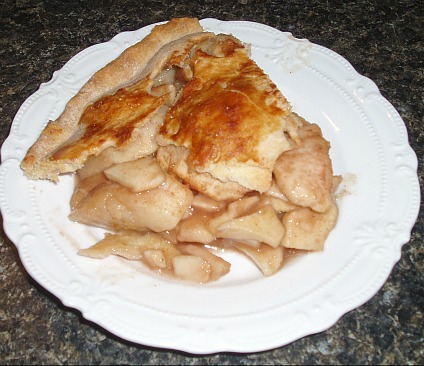
apple tart #recipe #appletart #tart #apple #fallrecipe
FAQ
Are Rome apples good for baking?
Rome apples hold their shape beautifully for baking, frying, roasting, and making sauces. They’re perfect for pies, tarts, and baked apples, but you can also enjoy them out of hand as a mildly sweet snack.
Are Gravenstein apples good for baking?
Yes, Gravenstein apples are good for baking because they have a balanced sweet and tart flavor and hold their shape well, making them ideal for pies, crisps, and other baked goods. While delicate, their flavor shines when cooked, and they are considered an heirloom variety favored in their local growing regions for cooking and fresh eating.
How to use Rome apples?
Rome apples are best for baking, sauces, and fresh eating, as they are known as “The Baker’s Buddy” for holding their shape and tart flavor when cooked. Their firm, mildly tart, greenish-white flesh makes them excellent for pies, cakes, and baked apples, while their mild flavor and good storage qualities also make them suitable for salads and snacks.
What are the best apples for baking in the oven?
The best apples for baking are firm-fleshed, crisp varieties that hold their shape when cooked, such as Granny Smith, Honeycrisp, Braeburn, Cortland, and Jonagold.