
Hey there, apple lovers! Ever bitten into a pie so darn good ya just had to know what magic apple made it happen? Well, lemme take ya back to my gran’s kitchen, where the smell of baked apples filled the air every fall. She swore by a particular kind—Rome Beauty apples. These shiny red gems were her go-to for pies, crisps, and just about any dessert that needed a sweet-tart kick. But lately, I’ve noticed they ain’t as easy to spot at the grocery store. So, what happened to Rome Beauty apples? Stick with me, and let’s peel back the layers of this tasty tale.
The Star of the Show: What Makes Rome Beauty Apples Special?
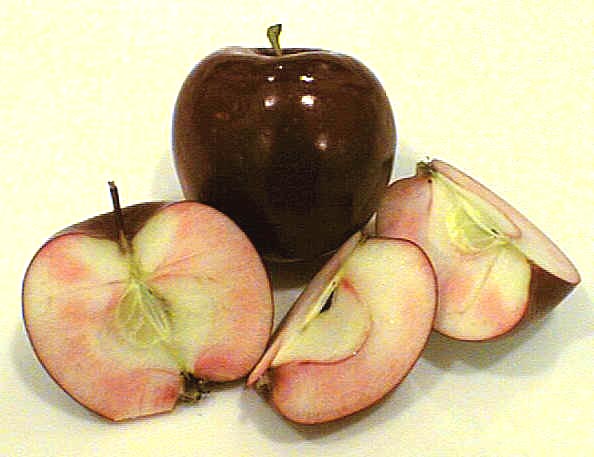
Before we dive into the “what happened” part, let’s chat about why these apples even got famous. Rome Beauty apples, sometimes just called Rome or Red Rome, are a classic variety that’s been around for ages. They’ve got this gorgeous, glossy red skin—kinda like a candy apple straight outta a fair. But it’s not just looks; their firm flesh and thick skin make ‘em a dream for baking. When ya cook ‘em, they hold their shape like champs, not turnin’ to mush like some other apples do.
Flavor-wise, they’re a balanced mix of sweet and tangy, with a subtle floral vibe that comes alive in the oven. They ain’t the sweetest or the tartest out there, which is exactly why bakers love ‘em—they don’t overpower a recipe. Back in the day, folks even nicknamed ‘em the “Queen of Baking Apples,” and trust me, that crown was well-earned But they’re not just for pies; ya can munch ‘em fresh too, though some say the taste is a bit mild compared to flashier varieties
A Humble Beginnin’: The Origins of Rome Beauty Apples
So, where did these bad boys come from? Picture this: it’s the early 1800s, and we’re in Rome Township, Ohio, a lil’ spot near the Ohio River. A farmer named Joel Gillet stumbles upon a seedling in a batch from a nursery. He don’t think much of it at first, but his son plants it anyway on their land. Fast forward a few years, and boom—this tree’s pumpin’ out bright red, tasty apples that the whole neighborhood can’t get enough of.
Joel’s cousin, Horatio, sees the potential and starts takin’ cuttings to grow more trees. They call it “Gillet’s Seedling” at first, but by 1832, they rename it “Rome Beauty” to honor the township where it all started. Sad thing is, that original tree got taken out by riverbank erosion in the 1850s, but by then, the apple had already spread far and wide It was a big deal back when local varieties ruled—before we had apples shipped cross-country like today With thousands of apple types in the U.S. at the time, Rome Beauty stood out for its color, size, and flavor. Pretty cool, right?
The Golden Age: Rome Beauty’s Rise to Fame
By the mid-1800s, Rome Beauty apples weren’t just a local secret no more. They became one of the top commercial varieties in the States, especially ‘cause they store so dang well Harvested in late September to October, these apples could last through winter—3 to 5 months in cold storage—without losin’ their charm That made ‘em a staple for farmers and families who needed fruit when fresh stuff wasn’t around.
Plus, they were a hit at horticultural shows, rackin’ up praise for their looks and versatility. Growers called ‘em a “mortgage maker” ‘cause a good crop could pay off big. Whether it was for pies, sauces, or just eatin’ outta hand, Rome Beauty was everywhere. If ya lived in Ohio or nearby states like New York and Michigan, chances are ya had a tree or two in your backyard. It was like the apple of everyone’s eye—pun intended!
The Rough Patch: Challenges for Rome Beauty Apples
Now, here’s where the story gets a bit bumpy. So, what happened to knock Rome Beauty off its pedestal? Well, a couple things started workin’ against it. First off, the trees themselves are kinda high-maintenance. They’re super prone to a bunch of nasty diseases—stuff like apple scab, powdery mildew, cedar-apple rust, and fire blight. These ain’t just lil’ annoyances; they can wreck a whole orchard if ya don’t stay on top of ‘em. For home growers or small farmers, that’s a lotta headache.
- Disease Susceptibility: High risk for scab, mildew, rust, and blight—basically, they catch every apple bug out there.
- Maintenance Needs: Gotta prune ‘em hard and watch for pests, or the tree might snap under heavy fruit or get sick from poor air flow.
- Growin’ Conditions: They need full sun, well-drained soil, and just the right chill hours (700 or so) to thrive, which limits where they do best.
Back in the day, folks dealt with it ‘cause Rome Beauty was worth the hassle. But then, modern apple breedin’ came along. Scientists and growers started cross-pollinatin’ and graftin’ to make new varieties—think Honeycrisp or Pink Lady—that taste just as good (or better) and ain’t so fragile. These newer apples often resist diseases better and got flashier marketing behind ‘em. Suddenly, Rome Beauty started feelin’ like yesterday’s news.
Competition and Changin’ Tastes
Speakin’ of competition, let’s talk about how the apple game changed. Today, when ya walk into a supermarket, ya got dozens of apple types starin’ ya down—Gala, Fuji, Granny Smith, ya name it. Each one’s got its own “thing,” whether it’s super sweet, crazy crisp, or perfect for a specific recipe. Rome Beauty, with its middle-of-the-road flavor, sometimes gets lost in the shuffle. It don’t have the intense sweetness of a Honeycrisp or the sharp tartness of a Granny Smith, so casual buyers might skip it.
And let’s be real—looks matter. While Rome Beauty’s deep red skin is pretty as heck, some newer varieties got wild colors or names that just scream “pick me!” Plus, big agriculture focuses on apples that ship well, grow easy, and got long shelf lives with less fuss. Rome Beauty still holds up in storage, but the disease issues mean it’s riskier for large-scale farms to bet on ‘em.
Where Are Rome Beauty Apples Now?
So, did Rome Beauty apples just vanish? Nah, not quite. They’re still out there, just not as big a deal as they once were. Ya might not see ‘em at every grocery store, but check out local farmers’ markets, especially in places like Ohio where they got deep roots. Some orchards and nurseries still grow ‘em, and ya can even buy Rome Beauty trees online or at garden centers if ya wanna plant your own. They go by both “Rome” and “Rome Beauty,” by the way, so keep an eye out for either name.
Here’s a quick rundown of their current status:
| Aspect | Details |
|---|---|
| Availability | Less common, but found at specialty markets or nurseries. |
| Growin’ Regions | Mostly in Ohio, New York, Michigan—northeastern U.S. |
| Tree Options | Dwarf (8-10 ft), semi-dwarf (12-15 ft), standard (up to 20 ft). |
| Best Use | Still a baking fave for pies, crisps, and sauces. |
For growers, they’re a bit of a gamble ‘cause of the disease thing, but if ya got the know-how, they can yield a ton of fruit. They’re self-pollinatin’, meanin’ ya don’t need another tree nearby, though pairin’ ‘em with somethin’ like an Akane or Empire can boost production. And get this—they start producin’ apples just 2-3 years after plantin’, which is pretty quick for a fruit tree!
Why Rome Beauty Apples Still Got a Place
Even with all the challenges, I gotta say, Rome Beauty apples got a special spot in my heart—and in a lotta kitchens. They’re like that old-school recipe ya pull out when ya want comfort food done right. Their ability to hold up when baked makes ‘em irreplaceable for certain dishes. Wanna whip up a killer apple pie? Slice up some Rome Beauties, toss in cinnamon and sugar, and ya got a dessert that’ll steal the show.
They’re also pretty darn good for ya. Low in calories—about 70-80 per apple—they’re packed with fiber to keep your gut happy and vitamin C in the skin for a lil’ immune boost. So, even if ya ain’t bakin’, they’re a solid snack. And if ya wanna store ‘em, pop ‘em in the fridge’s crisper drawer on the veggie settin’ to keep ‘em fresh for months. Just don’t wash ‘em till ya ready to eat, or they’ll go bad faster.
How to Use Rome Beauty Apples in Your Kitchen
Wanna get in on the Rome Beauty action? Here’s a few ideas to play with if ya snag some. I’ve tried a couple of these myself, and man, they don’t disappoint.
- Classic Baked Apples: Core the center, stuff with butter, sugar, cinnamon, and maybe some nuts or honey, then bake till soft. It’s like a hug in dessert form.
- Fried Apple Slices: Slice ‘em thin, dip in a light batter, fry ‘em up, and dust with cinnamon-sugar. Dip in caramel if ya feelin’ fancy—kinda like apple onion rings!
- Savory Pairin’: Toss diced Rome Beauty into a pork roast or salad for a sweet crunch. The sweet-tart vibe balances rich flavors like nobody’s business.
- Applesauce: Cook ‘em down with a splash of water and a pinch of spice. Their natural sweetness means ya don’t need much extra sugar.
If ya got a bunch, ya can even preserve ‘em. Peel, core, and slice, then freeze with a bit of lemon juice to stop brownin’. Or make a big batch of compote and can it for later. Trust me, havin’ that stash in winter feels like winnin’ the lottery.
Growin’ Your Own Rome Beauty Apples
Thinkin’ of growin’ your own? I ain’t no expert gardener, but I’ve picked up a few tips from folks who are. Rome Beauty trees ain’t the hardest to grow, makin’ ‘em decent for first-timers, but ya gotta be ready for some TLC. They do best in zones 4-9, needin’ around 700 chill hours (that’s cold time in winter) to set fruit right.
Plant ‘em in full sun with loamy, well-drained soil—pH around 6.0 to 7.0 is ideal. Dig a hole twice as big as the root ball, mix in some compost if your dirt’s sad-lookin’, and give ‘em space to breathe. Prune ‘em hard in late winter or early spring to keep the shape tight and let air flow through, or ya risk mold and breakage from heavy crops. And watch for diseases—spray or treat early if ya see funky spots on leaves or fruit.
Harvest time’s late September to October when they’re deep red and firm. Pick ‘em careful, store ‘em cool, and ya got apples for months. It’s work, but seein’ your own tree loaded with shiny reds? Worth it, my friend.
Sustainability and the Future of Rome Beauty
One thing I admire ‘bout some modern growers is how they’re tryin’ to keep Rome Beauty around in a way that don’t mess with the planet. Lotsa orchards, especially in Ohio, are goin’ for eco-friendly tricks like integrated pest management—basically, usin’ fewer harsh chemicals and more natural ways to fight bugs. Some are even cuttin’ back on water waste and lookin’ into renewable energy for their farms.
Why’s this matter? ‘Cause keepin’ old varieties like Rome Beauty alive ain’t just about taste—it’s ‘bout diversity. If we only grow the same few apples everywhere, one bad disease could wipe out tons of crops. Heirloom apples like these add variety to the gene pool, makin’ our food system tougher. So, props to the farmers stickin’ with it, even if it’s harder.
My Take: Why We Shouldn’t Forget Rome Beauty Apples
Look, I get it—newer apples got their charm. I ain’t sayin’ ya gotta ditch your Honeycrisp obsession. But there’s somethin’ special ‘bout Rome Beauty apples that keeps me comin’ back. Maybe it’s the nostalgia of my gran’s kitchen, or maybe it’s just knowin’ I’m bitin’ into a piece of history that’s been around since the 1800s. What happened to ‘em ain’t a total disappearance; it’s more like they stepped outta the spotlight to make room for new stars.
Still, they’re out there waitin’ for ya to rediscover ‘em. Whether ya bake a pie that tastes like fall itself or plant a tree in your yard, Rome Beauty’s got a story worth keepin’ alive. Next time ya at a market, hunt for ‘em. Or heck, order a tree online and grow your own legacy. I promise, one bite of a warm, gooey dessert made with these apples, and you’ll get why they were once royalty.
So, what’s your apple jam? Got a fave variety or a memory tied to Rome Beauty? Drop a comment—I’m all ears. Let’s keep this apple convo rollin’ and maybe, just maybe, bring these beauties back to the table where they belong.
Considerations for Rome Beauty
USDA Zones: 4, 5, 6, 7, 8, 9, 10
Heirloom: Yes
Uses: Cider, Cooking / Sauces, Fresh Eating
Harvest Period: Very Late
Low Chill: Yes
Bloom Period: Late
Pollination Requirement: Self-Fertile
Origin Date: Ohio 1820
Storage: 3 Months or More
Disease Resistance: Good
Rootstock: MM 111 (semi-dwarf)Years to Bear: 2-4 yearsRecommended Spacing: 12-16 ft.Mature Size: 12-16 ft.Water Requirements: 12-15 gallons per week May through Sept.
Our trees range in height from 4-8 ft. in our field and trimmed to 4 to 5 ft. when shipped. Our young two year trees are most often feathered (side limbs). The trees diameter (caliper) is often 1/2 to 3/4 inch; *As noted by University of California Scientists and other qualified professionals the most successful trees often have caliper from 1/2″ to 5/8″ and usually establish faster than smaller and larger planting stock. .
Basic idea for Pruning: Most fruit trees should be pruned in frost-free periods mid to late winter. (apricots best after bud break) Remove most vertical branches and shorten side branches. Fruiting wood is best on horizontal to 45 degree limbs. Learn more…
Shipping Note: Our fruit trees and berries are delivered to you bareroot during their winter dormancy from January through May depending on USDA zone. Trees are shipped with your invoice and helpful planting directions. There is no minimum quantity required but shipping rate for an individual tree is expensive since UPS/Fed Ex charge a dimensional weight and an additional handling fee to ship a tree. Youll find its cost effective to consider a handful of trees,vines or our helpful Tree Starter Kits.
Red Rome Apples!
FAQ
Are Rome apples still available?
Available mid-October through February. As a firm apple that retains its shape, the Rome is best used for any baking or cooking needs. The flavor is enhanced after cooking.
Why can’t I find Jonathan apples?
Jonathan apples are hard to find because, as an heirloom variety, they lost popularity to newer, sweeter apples, and they have a shorter storage life and a tendency to bruise, limiting commercial viability. While once popular, they are now grown in smaller quantities as a specialty apple, making them more likely to be found at local orchards, farmers markets, or specialty grocers rather than large retail stores.
Is there another name for Rome apples?
The Rome apple goes by many names including ‘Red Rome,’ ‘Rome Beauty’ ‘Gillett’s Seedling’ but to bakers, it is often called ‘Baker’s Buddy’ or ‘Queen of the Baking Apple. ‘
What does a Rome Beauty apple taste like?
Rome apples are mildly sweet with a subtle tang and a slight floral aroma. They get richer and sweeter when cooked. What are the health benefits of Rome apples?Jan 9, 2025
What is a Rome Beauty apple?
The Rome Beauty apple is a variety of apple that is primarily used for baking. It is grown in Proctorville, Ohio, which is known as its ‘Home’. The flavor of this apple is subtle and not as sweet or tart as some other varieties. However, it holds its shape well when cooked, enhancing its flavor.
Why is it called Rome Beauty?
The Rome Beauty apple was named after Rome Township in 1832 to honor the township. The story goes that the apple was given to a man’s son, who planted and nurtured the tree along the banks of the Ohio River. The apple produced beautiful red apples, and since it was grown in Rome Township, it was given this name.
Why are Rome apples so special?
Instead, they had what was local to them, so the Rome likely seemed noteworthy in comparison to the other apples they had available. The red color, sweet flavor, and softball size that we appreciate are actually biologically rare traits in apples, making the Rome seedling quite the find back in 1817.
Are Rome apples ripe?
Two delicious firm ripe red Rome apples. The trees will be marketed under both the Rome and Rome beauty names; keep in mind they are two names for the exact same apple tree. They are fairly easy to find, so there is a good chance you can pick up a tree at your local nursery.
Are Rome apples suitable for baking?
Rome apples are suitable for baking as they retain their shape when hollowed, stuffed, and baked. Try using them in both savory and sweet cooked preparations, such as stuffing, quiche, or roasting alongside meat and root vegetables.
What does a Rome apple taste like?
The Rome is rounded, all red, and very glossy, with a thick skin and firm flesh. It is primarily used for baking, as its flavor develops when cooked, and it holds its shape well. It is commonly described as less desirable as an eating apple because of its subtle flavor that is not as sweet, flashy, or tart as some other varieties.