Hey there, pie lovers! If you’ve ever stood in the kitchen, eyeballin’ a pile of shiny Red Delicious apples and wonderin’ if they can make a killer apple pie, you’re in the right spot. I’ve been down this road myself, and lemme tell ya, the answer ain’t a straight yes or no. Red Delicious apples can be used for pie, but they come with some serious quirks that might mess with your baking game. Stick with me, and I’ll spill all the deets on whether these iconic red beauties are pie-worthy, why they might flop, and how to make ‘em work if you’re stuck with a bag of ‘em.
At my lil’ baking corner, we’re all about keepin’ it real and practical So, let’s dive straight into the heart of this apple dilemma and figure out if Red Delicious can hold their own in a flaky, golden crust—or if you’re better off grabbin’ something else at the market.
What’s the Deal with Red Delicious Apples?
First off, let’s chat about what makes Red Delicious apples so dang popular. You’ve probs seen ‘em everywhere—those deep red, heart-shaped fruits sittin’ pretty in every grocery store. They’re a classic, been around forever, and folks love ‘em for snacking. Why? ‘Cause they’re sweet as heck, got a mild flavor, and that tender, juicy bite just feels like a hug in fruit form.
But here’s the rub: what works for a quick munch don’t always translate to baking. When I first tried tossin’ Red Delicious into a pie, I figured, “Hey, sweet apples = sweet pie, right?” Oh boy, was I in for a surprise. These apples got some traits that can turn your pie dreams into a soggy nightmare. Here’s the breakdown:
- Flavor: They’re super sweet, almost too much so, with barely any tartness to balance things out. Pies need a lil’ zing to keep from tastin’ like pure sugar.
- Texture: They’re soft and tender raw, which sounds nice, but cook ‘em, and they can turn mushy real quick. Think less “chunky apple filling” and more “weird apple pudding.”
- Juice Factor: They let out a lotta liquid when baked, and that juice don’t thicken up easy. Hello, soggy crust!
So, while I love nibblin’ on a Red Delicious straight from the fridge, I learned the hard way they ain’t the MVP for pie straight outta the gate Let’s dig deeper into why they struggle in the oven
Why Red Delicious Apples Ain’t Pie-Perfect
I’ve baked my fair share of pies—some epic some straight-up disasters—and Red Delicious apples have been at the center of a few flops. Here’s why they often get a bad rap for pie-making, based on my kitchen experiments and a whole lotta trial and error.
1. Too Sweet, No Balance
Red Delicious are like the candy of the apple world. That sweetness is awesome when you’re eatin’ ‘em raw, but in a pie, it can overpower everything. Pies need a mix of sweet and tart to really sing—otherwise, it’s just a sugar bomb. These apples lack the acidity to cut through the richness of buttery crusts and added sugars. I remember one pie I made with ‘em; it tasted like I’d dumped a bag of candy in there. Not my finest hour!
2. Mushy Mess in the Making
Texture is everything in a pie. You want apple chunks that hold their shape, givin’ you that satisfying bite. Red Delicious, though? They got soft, tender flesh that breaks down way too fast under heat. I’ve pulled pies outta the oven with these apples and found a filling that looked more like applesauce than anything else. Ain’t nobody want a pie that’s just a goopy mess.
3. Runny Filling Woes
Here’s a biggie—Red Delicious apples don’t got much natural pectin, that stuff in apples that helps thicken up the filling. Plus, they release a ton of juice when cooked, and that juice just sits there, watery and sad, instead of turnin’ into a nice, syrupy goo. First time I used ‘em, my pie crust was a soggy disaster. I’m talkin’ bottom layer so wet it coulda been a sponge. Yikes!
4. Flavor Falls Flat
I hate to say it, but after baking, Red Delicious sometimes lose what lil’ flavor they had. Raw, they’re sweet and fine, but heat seems to strip away any depth, leavin’ ya with somethin’ kinda bland. I’ve had pies with ‘em that just didn’t taste “apple-y” enough, ya know?
So, can Red Delicious apples be used for pie? Sure, but as you can see, they got some major hurdles. If you’re dead set on usin’ ‘em, don’t worry—I got some tricks up my sleeve to make it work. But first, let’s talk about some apples that might save ya a lotta headache.
Better Apple Picks for Your Pie
Before we get to fixin’ the Red Delicious situation, lemme share some apple varieties that are straight-up made for pie. I’ve tested a bunch over the years, and these bad boys consistently deliver on flavor and texture. If you can grab ‘em at the store or farmers’ market, you’ll be golden.
- Granny Smith: These green gems are my go-to. They’re tart as heck, which balances out sugar and spices, and super firm, so they don’t turn to mush. They hold their shape like champs and got enough acidity to make your pie pop.
- Honeycrisp: Sweet with a lil’ tart kick, Honeycrisp apples are juicy and crisp. They keep their texture pretty well in the oven, and the flavor’s got this fresh, bright vibe I adore. Perfect for a pie that’s not too heavy.
- McIntosh: Now, these soften up a lot, almost like a thick sauce, but the flavor? Oh man, it’s like apple cider in pie form. I love mixin’ ‘em with firmer apples for that deep, apple-y taste.
- Golden Delicious: Don’t sleep on these! They’re softer than some, but they got a sweet-tart balance that bakes up nice. They don’t turn to complete goo, and the flavor stays strong.
- Braeburn: A lesser-known fave of mine, Braeburns got a nice mix of sweet and tangy with a firm bite. They hold up under heat and add a lil’ caramel note that’s just chef’s kiss.
Here’s a quick table to compare these pie stars (and Red Delicious) so you can see the diff at a glance:
| Apple Variety | Flavor Profile | Texture When Baked | Best For Pie? |
|---|---|---|---|
| Red Delicious | Very sweet, mild | Soft, often mushy | Not ideal, needs tweaks |
| Granny Smith | Tart, zingy | Firm, holds shape | Yes, amazing! |
| Honeycrisp | Sweet-tart, fresh | Crisp yet tender | Yes, great! |
| McIntosh | Sweet-tart, cider-like | Very soft, saucy | Yes, with firmer apples |
| Golden Delicious | Sweet with tart balance | Soft but holds okay | Yes, solid choice |
| Braeburn | Sweet-tangy, caramel hints | Firm, holds shape | Yes, underrated gem |
I usually mix a couple of these—like Granny Smith with a bit of McIntosh—for a pie that’s got layers of flavor and different textures. Which brings me to a hot tip: blending apple types is where the magic happens. More on that soon, but let’s circle back to Red Delicious and see if we can save ‘em.
How to Make Red Delicious Apples Work in Pie
Alright, say you’ve only got Red Delicious on hand, or maybe they’re dirt cheap at the store, and you’re determined to bake with ‘em. I’ve been there, and I ain’t gonna leave ya hangin’. While they’re not my first pick, you can make a decent pie with these apples if ya play your cards right. Here’s how I’ve managed to pull it off without a total kitchen fail.
Mix ‘Em with Other Apples
Hands down, the best way to use Red Delicious is to team ‘em up with firmer, tarter varieties. I’ve mixed ‘em with Granny Smith before, and it helps a ton. The Grannies bring the acidity and structure, while Red Delicious adds sweetness. Aim for a ratio like 2:1 (two parts tart apple to one part Red Delicious) so you don’t end up with a mush-fest.
Add a Thickening Buddy
Since these apples release so much liquid and lack pectin, toss in somethin’ to soak up that juice. I swear by a tablespoon or two of cornstarch or tapioca flour mixed into the filling. It thickens things up and saves your crust from turnin’ into a swamp. Just mix it with your sugar and spices before addin’ the apples.
Cook the Filling First
Here’s a lil’ trick I picked up after one too many watery pies: cook the apple filling on the stovetop a bit before dumpin’ it into the crust. Simmer the sliced Red Delicious with sugar and a pinch of cinnamon for 10-15 minutes. This breaks ‘em down some and lets ya reduce that extra juice. Plus, it concentrates the flavor, which these apples desperately need.
Crank Up the Spices
To fight that blandness, don’t skimp on spices. I go heavy with cinnamon, a dash of nutmeg, and sometimes a pinch of ginger or allspice. It gives the pie depth that Red Delicious just can’t deliver on their own. Taste as ya go—start with a teaspoon of cinnamon and adjust.
Watch the Sugar
Since they’re already sweet, cut back on added sugar in your recipe. If your usual pie calls for a cup, try half a cup or even less, dependin’ on your taste. I’ve made the mistake of not adjustin’ this before, and lemme tell ya, it was like eatin’ dessert syrup. Not cute.
These hacks ain’t gonna turn Red Delicious into the ultimate pie apple, but they’ll get ya a pie that’s edible—maybe even pretty darn good. Still, if you got options, I’d save these reds for snackin’ and grab somethin’ else for baking.
Why Blending Apples Is the Secret Sauce
I touched on this earlier, but lemme hammer it home: mixin’ different apple types is the way to go for a pie that’ll have folks beggin’ for seconds. I learned this after years of so-so pies. When ya blend, you get the best of all worlds—sweetness, tartness, firmness, and sauce-like bits. It’s like buildin’ a dream team in your pie dish.
Here’s how I approach blending:
- Start with a Base: Pick a firm, tart apple like Granny Smith for structure. I usually make this half or more of my mix.
- Add Sweetness: Throw in a sweeter variety like Honeycrisp or Golden Delicious for balance. Maybe a third of the total.
- Bring Depth: If ya can, add a small amount of a super flavorful, softer apple like McIntosh for that cider-y kick. A lil’ goes a long way—think one or two apples max.
- Test Ratios: My fave combo right now is 3 Granny Smith, 2 Honeycrisp, and 1 McIntosh for a standard pie. But play around! Every batch of apples tastes a bit diff, so tweak as needed.
If you’re usin’ Red Delicious, slot ‘em in as the “sweetness” part, but keep ‘em to a third or less of the mix. That way, they don’t dominate and turn everything to mush.
General Tips for Preppin’ Apples for Pie
No matter what apples you’re rockin’, how ya prep ‘em can make or break your pie. I’ve flubbed this step plenty, so lemme share what works for me to get that filling just right.
- Peel ‘Em Good: Always peel your apples. The skin can get tough and chewy when baked, and it messes with the smooth vibe of the filling.
- Slice Thin and Even: Cut ‘em into thin slices, bout 1/4 inch thick, so they cook evenly. I’ve done chunky slices before, and half the apples were raw while the rest were mush. Not fun.
- Core and Clean: Get rid of seeds, stems, and any hard bits. They’re bitter and can ruin a bite. I use a lil’ apple corer gadget—saves so much time.
- Toss with Flavor: Mix your slices with sugar, spices, and a squeeze of lemon juice right away. The lemon keeps ‘em from brownin’ and adds a lil’ tartness. I usually do a tablespoon of lemon for a whole pie’s worth.
- Don’t Overcook: If you’re pre-cookin’ the filling (like with Red Delicious), don’t go too long. You want ‘em tender, not fallin’ apart before they hit the oven.
One last thing I always do—taste a slice of the raw mix. If it’s too sweet or bland, adjust the sugar or spices before bakin’. Trust me, it’s saved me from a few pie fails.
Pie Crust and Baking Tips to Nail It
While we’re talkin’ pie, let’s not forget the other half of the equation—the crust and the baking itself. Apples are important, but a bad crust or wonky bake can tank even the best filling. Here’s what I’ve learned over countless pies.
Crust Basics
- Keep everythin’ cold—butter, water, even the bowl if ya can. Cold ingredients make for a flaky crust. I stick my butter in the freezer for 10 minutes before cuttin’ it in.
- Don’t overwork the dough. Mix just till it comes together, or you’ll get a tough crust. I’ve overmixed before, and it was like bitin’ cardboard.
- Chill the dough at least 30 minutes before rollin’ out. It’s easier to handle and bakes up better.
Baking Know-How
- Blind bake the bottom crust for 10-15 minutes if ya can. It helps avoid sogginess, especially with juicy apples like Red Delicious. I line it with parchment and pie weights (or dry beans in a pinch).
- Bake at a high temp first (like 425°F) for 15 minutes to set the crust, then lower to 350°F to finish cookin’ the filling. I forgot this step once, and my crust was raw on the bottom. Ugh.
- Check for doneness by lookin’ at the filling—bubbles should be slow and thick, not watery. Usually takes 45-60 minutes total, dependin’ on your oven.
I also cover the edges with foil if they brown too fast. Burnt crust edges are a bummer, and I’ve cried over a few pies lookin’ like charcoal on the sides.
My Personal Pie Journey (and Fails!)
Lemme get real with ya for a sec. My first apple pie was a hot mess—literally. I used all Red Delicious ‘cause that’s what Ma had in the kitchen, and I didn’t know any better. The filling was so runny it leaked everywhere, and the flavor was just… meh. I was crushed. But ya know, that flop taught me to dig into what makes a pie tick. I started mixin’ apples, playin’ with spices, and readin’ up on tricks (without namin’ any fancy sources, of course). Now, my pies are somethin’ I’m proud to slap on the table at family get-togethers.
One time, I even made a half-decent pie with mostly Red Delicious by mixin’ in one lonely Granny Smith I found in the back of the fridge. It wasn’t perfect, but it showed me that with a lil’ creativity, ya can make do with what ya got. That’s what bakin’ is all about, right? Messin’ up, learnin’, and keepin’ at it.
Wrappin’ It Up: Should Ya Use Red Delicious for Pie?
So, can Red Delicious apples be used for pie? Yup, they can, but I wouldn’t call ‘em the star of the show. They’re too sweet, too soft, and too watery to shine on their own. If you’re stuck with ‘em, mix with tarter, firmer apples, add a thickener, and maybe pre-cook the filling to avoid a disaster. But if ya got a choice, go for varieties like Granny Smith, Honeycrisp, or McIntosh that are built for bakin’.
At the end of the day, pie-makin’ is a journey. Experiment, tweak, and don’t be scared to try weird combos. I’ve had some of my best pies come from random apple mixes I threw together on a whim. Got Red Delicious? Give ‘em a shot with my tips and see what happens. Worst case, ya got a funny story to tell. Best case, ya got a pie worth braggin’ about.
Drop a comment if you’ve baked with Red Delicious before or if ya got a fave apple combo. I’m always down to swap kitchen tales and learn somethin’ new. Happy bakin’, y’all—let’s make some pies that’d make grandma jealous!
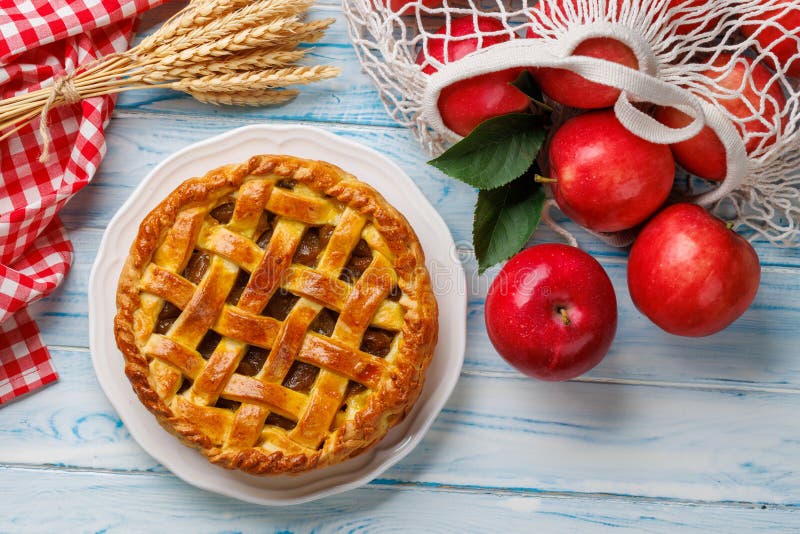
We tested the best apples for pie. Share
Which are the best pie apples? With apple-picking season hard upon us, its time to dust off your favorite apple pie recipe, sharpen your crust-rolling skills, and get ready to enjoy falls favorite dessert: apple pie.
Hudsons Golden Gem apples
You may be tempted to make your pie from one of the six apple varieties that dominate the domestic market year-round: Red Delicious, Golden Delicious, Gala, Fuji, Granny Smith, and McIntosh.
But when fall rolls around, farmers markets and orchard farm stands offer an abundance of apple choices.
Youve probably identified your favorite eating apple. But what about the best pie apples? Theyre not necessarily the same. Red and Golden Delicious, for instance, are reliably crisp, sweet-eating apples. But when you bake them into a pie, they can become mushy and lose some of their sweetness. So what are the best apples for pie?
Ill confess ahead of time that my favorite apple is any of the brown-green russets — Golden Russet, Roxbury Russet, et al.
Well put six different pie apples to the test.
The pie apples: I decide to put two of my favorites, Golden Russet and Northern Spy, up against a couple of classic pie apples: McIntosh and Cortland. I also add Granny Smith because, if theres one ubiquitous, year-round apple, Granny Smith is it. Ginger Gold — a Golden Delicious cross with Albemarle Pippin — is another variety thats often available in fall, and a worthy representative of the Delicious family.
And yes, there are plenty of other apple varieties to choose from: Fuji, Gala, Honey Crisp, and so many more. But with limited time and resources — and a pan with space for just six pies — Im not able to test every apple out there. But if you want to choose the best pie apples among your personal favorites, you can have fun doing this same test at home.
I use a muffin tin to bake apples sweetened with a bit of sugar. To mimic apple pie (sans crust), I pile sliced apples high in the pan. Then I bake them in a preheated 425°F oven for 20 minutes, lower the oven temperature to 375°F, and continue to bake the apples until theyre bubbly, about 40 minutes.
I had no idea thered be such significant differences in both texture and flavor. For example, Russets and Macs are sweetened with the same amount of sugar, bake at the same temperature, for the same amount of time — and offer way different results.
Lets sum up the results of our best pie apples test.
- Texture: very soft; bordering on unpleasantly mushy.
- Taste: Distinct apple flavor; nice balance of sweetness and tang.
- Texture: Very firm, with pleasant bite and little loss of structural integrity.
- Taste: Mild, unassuming, not overly sweet.
- Texture: Medium firm; slices were distinct, yet soft.
- Taste: Sweet, mildly “apple-y.” Not much nuance.
- Texture: Extremely soft; slices turned to chunky applesauce as soon as I touched them.
- Taste: Very similar to Cortland; classic apple taste.
- Texture: Distinct slices, but very soft; softer than Northern Spy.
- Taste: Undistinguished; not too sweet and little apple flavor.
- Texture: Crisp/tender, a bit firmer than Northern Spy; slices held their shape.
- Taste: Medium sweetness with a touch of tang.
So, Granny Smith looks like the best combination of both taste and texture. Does it make the very best apple pie?
Not necessarily. Ive baked many pies with this all-purpose apple, especially during the winter when other apples are scarce or pricey. A pie made 100% with Granny Smith apples is a mighty fine pie. But in fall, when every apple variety in the world is seemingly at your fingertips, why not take advantage of one or two (or more) of your own local favorites?
At the end of the day, choosing the best pie apples is a personal decision. My best apple pie would include a combination of these three: Cortland, for flavor; Russet, for texture; and Granny Smith, for its combination of the two.
What apples would fill your best pie? Bake your favorite varieties side by side and see what happens; the results may surprise you.
Please share your favorite apples for pie — and your favorite apple pie tips! — in comments, below. Share
Cookie scoop size is your key to success.
How to protect delicate bakes from overbrowned bottoms
Where was the apple pie?!
Recipe of the Year
See our complete collection of Tips and Techniques posts.

Are Red Delicious Apples Good For Baking?
FAQ
Are Red Delicious apples good for apple pie?
Red Delicious and Gala are two apples that won’t withstand cooking temperatures and should not be used for apple pie. Many new apple varieties, including Honeycrisp, have a flesh that fractures when you bite it. This is so appealing for snacking on an apple, but not the best feature for a good apple pie apple.Feb 17, 2020
What apples not to use for apple pie?
You’ll want to avoid soft, mealy, or creamy-flesh apples like Red Delicious, Gala, and McIntosh. They will soften up too quickly in the baking process, and therefore do not provide ideal texture.
What are Red Delicious apples good for?
Red Delicious apples are a source of vitamin C to boost the immune system, fiber to regulate the digestive tract, potassium to balance fluid levels within the body, and vitamin A to maintain healthy organ functioning.
What is the best apple to use for apple pie?
Granny Smith apples are the best apples for making apple pie because they are super tart and very firm. Firm apples hold up well during the baking process unlike varieties such as McIntosh which kind of turn to mush. Other great varieties are: Honeycrisp, Jonathan, Jazz, Golden Delicious, Jonagold or Pink Lady.
Which Apple is best for pie?
If you are only using one type of apple, it would be this one or Golden delicious. These apples have a buttery, classic apple flavor that gets richer when baked. The slices hold their shape but turn enticingly soft (softer than Braeburn). Golden Delicious are my favorite pie apple to date and are in season at the end of September and into October.
Are round apples good for pie?
These large, round apples aren’t always readily available throughout the year, but when they are, they’re one of the very best for pie! They have a mostly sweet, very lightly tart flavor and they’re nice and firm. Look for them in the later months of fall and you’ll be baking apple pie for all the cold-weather holidays.
Are Red Delicious apples good for baking?
While there are many different types of apples, red Delicious apples are generally considered to be the best. This is because they have a tart and acidic flavor that is perfect for baking, as well as being easy to peel and eat. What apples are not good for baking?
Are Golden Delicious apples good for pie?
Unlike Granny Smith apples, Golden Delicious apples tend to break down more when cooked, so they’re a good choice to combine with other firmer apples on this list. These large, round apples aren’t always readily available throughout the year, but when they are, they’re one of the very best for pie!
What happens if you use red apples in PIE?
However, if you use red apples in your pie, there are some potential consequences that may occur. One possible outcome is that the color will clash with other colors in the dish and it will look odd. Additionally, the apple juice may get caught up in the crust or pastry which could make it taste strange.
Are apples good for pie filling?
They are good for adding tartness to a pie when combined with other apples, assuming you are okay with the chance they turn to mush (which some people like as part of their pie filling anyway). Preferences for any kind of food vary wildly from person to person.